Austria Travel Guide
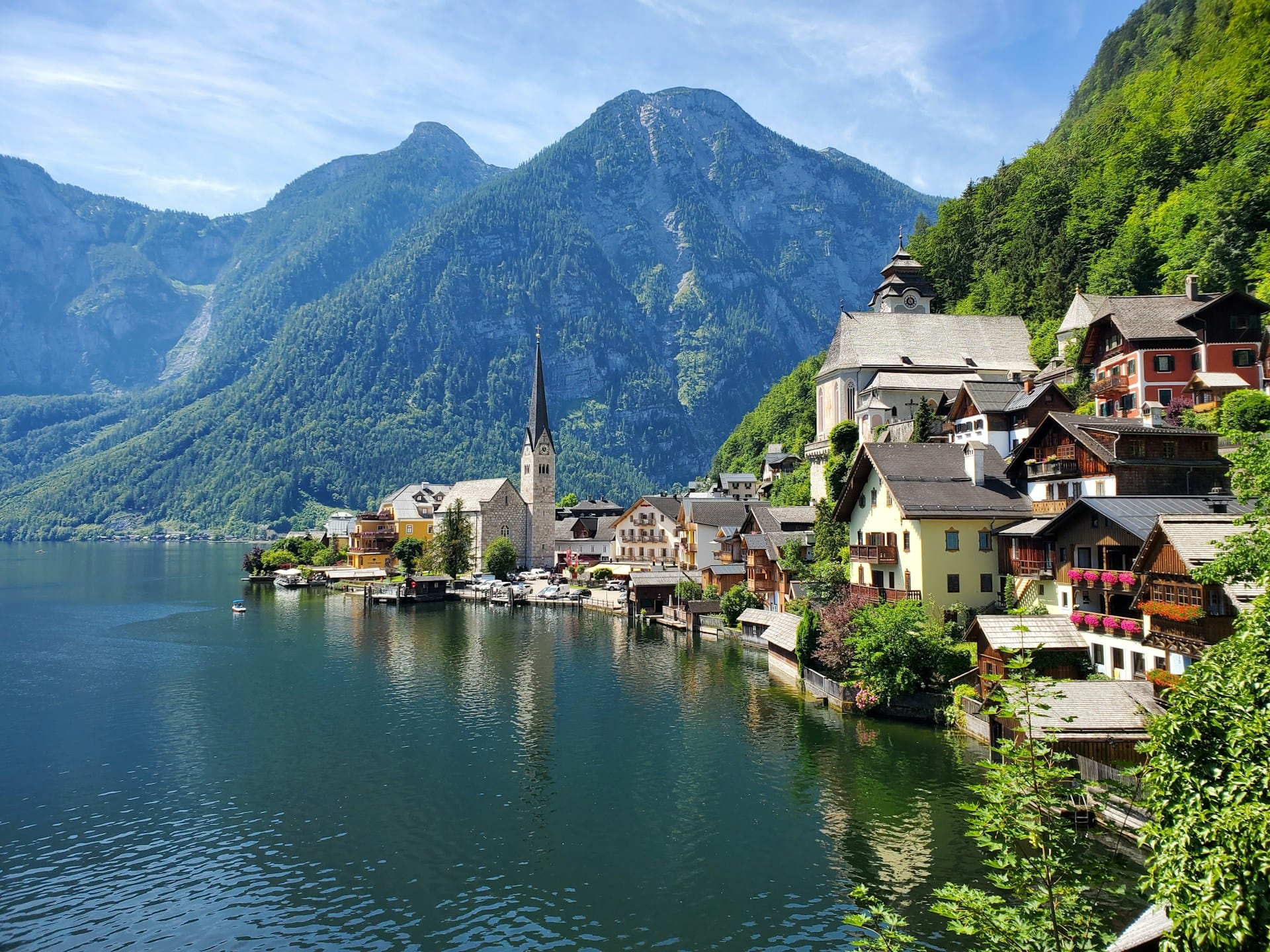
Austria is a land–locked alpine German speaking country in Central Europe. Being at Europe's crossroads, their culture is influenced from several sides.
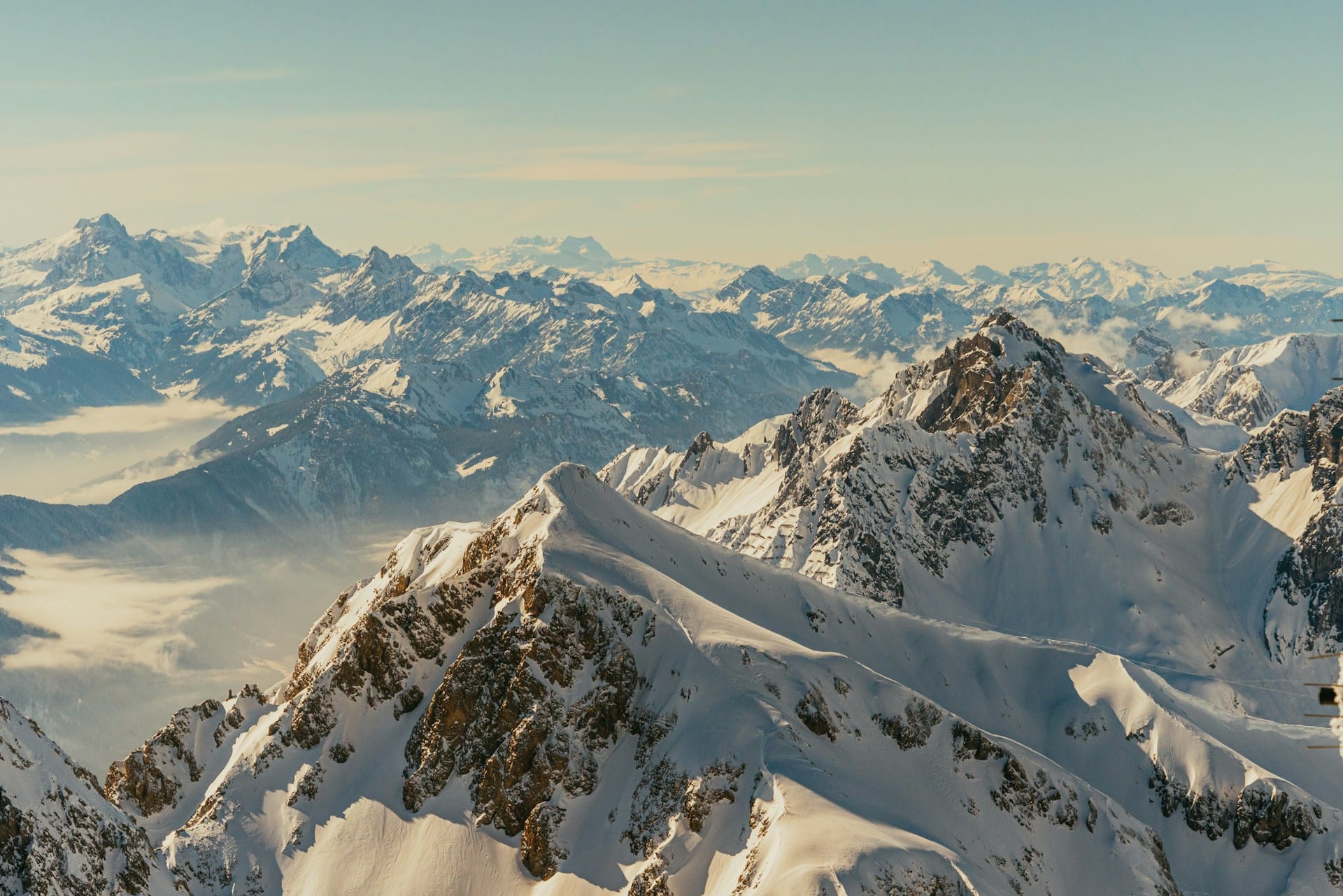
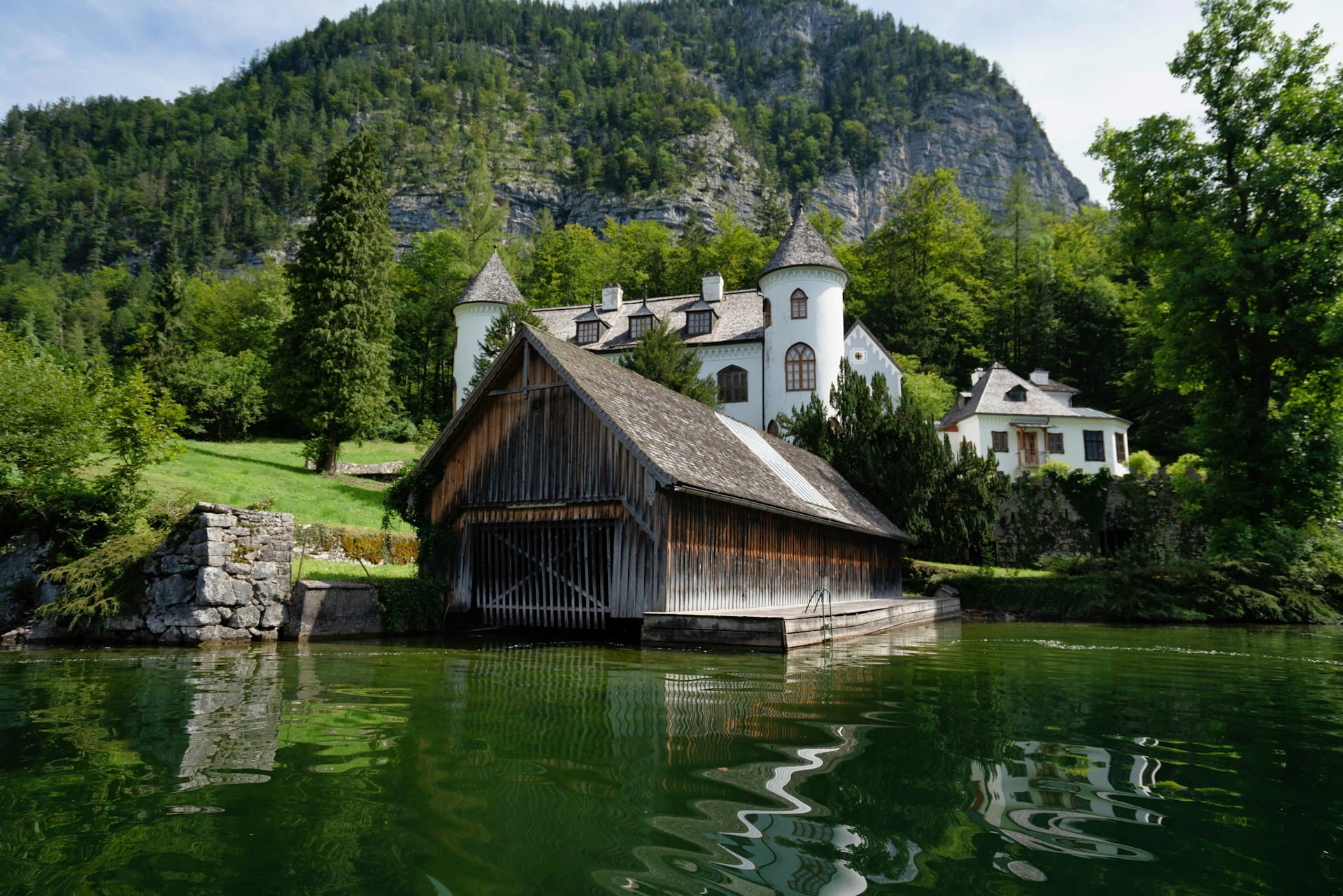
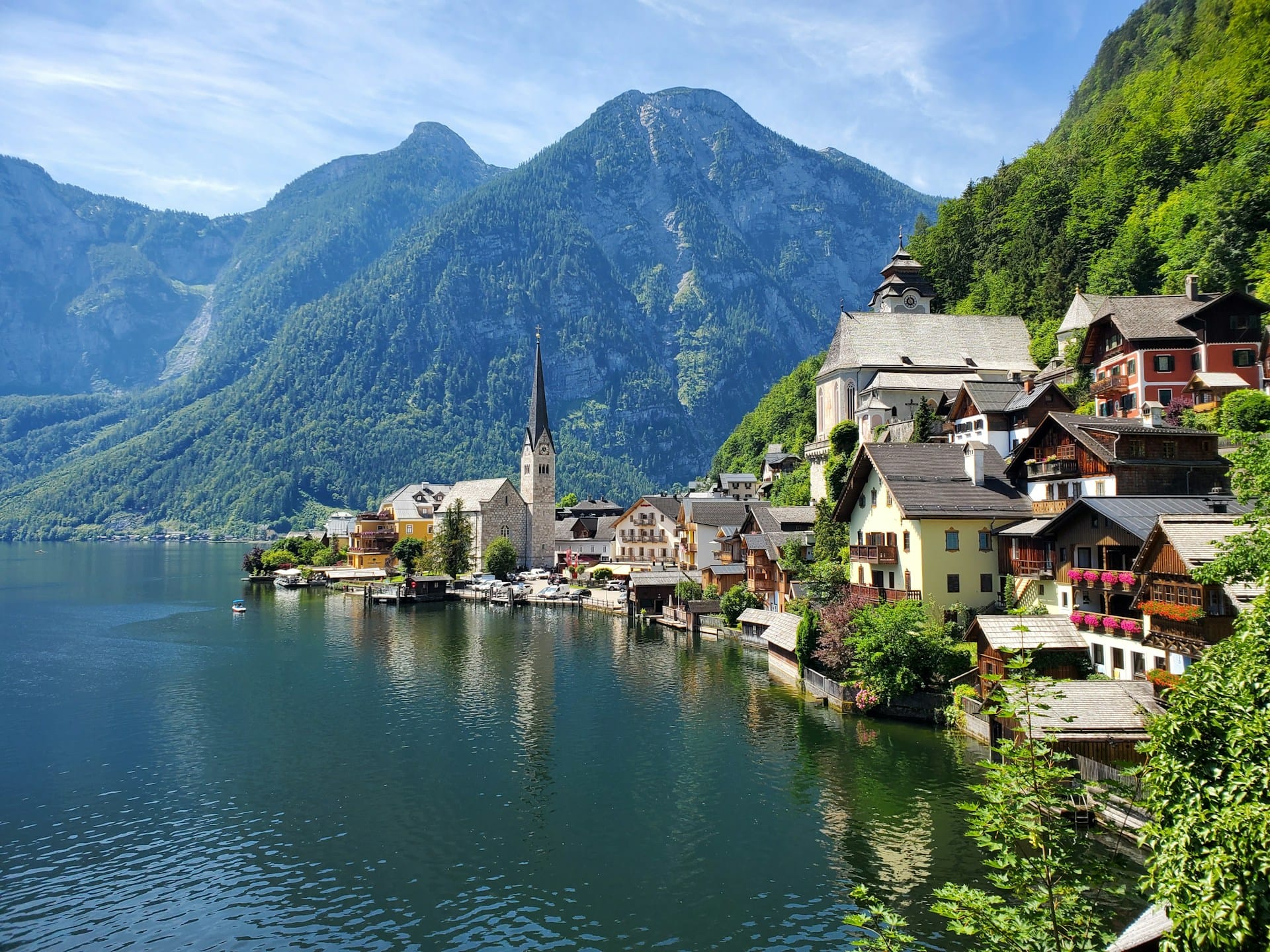
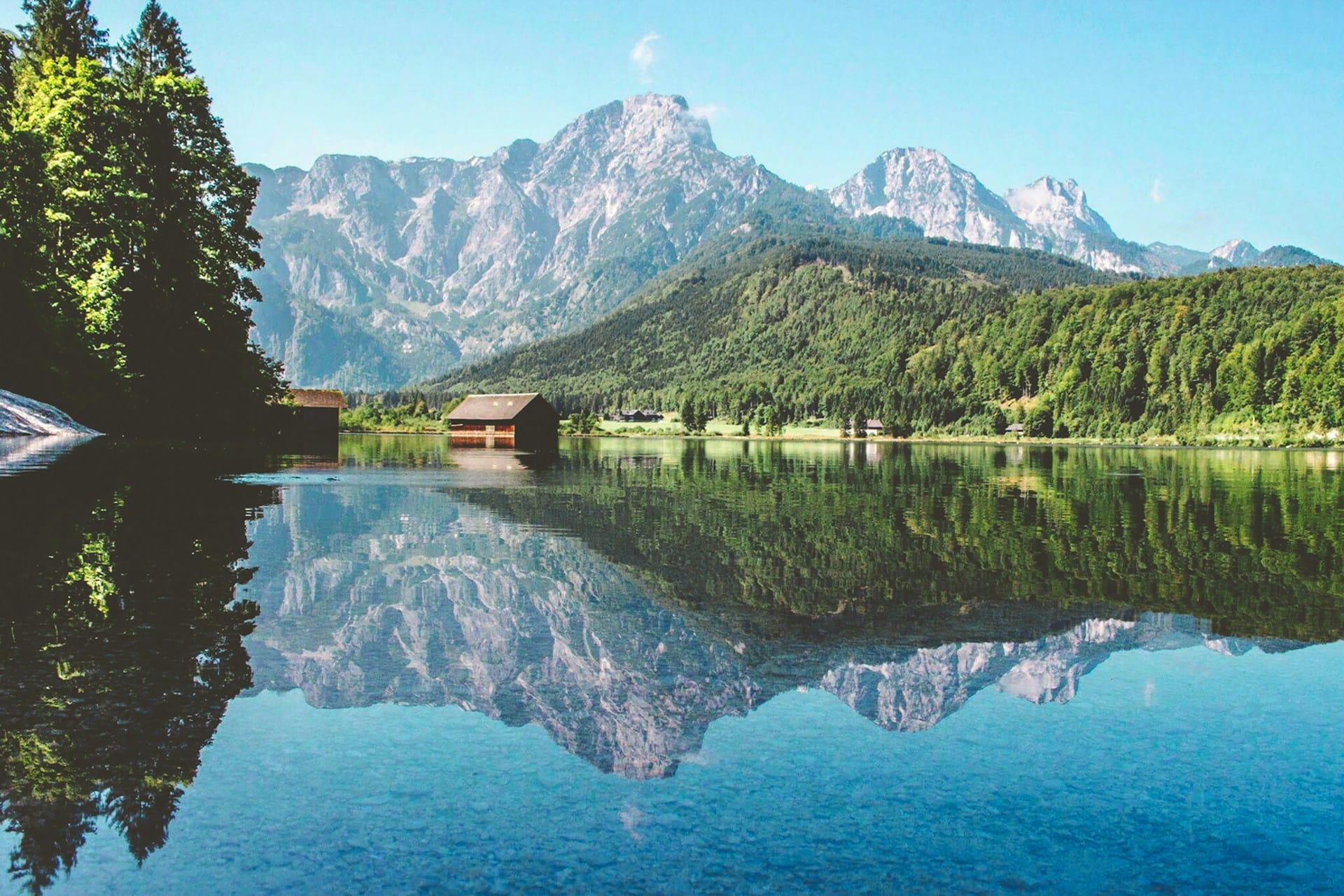
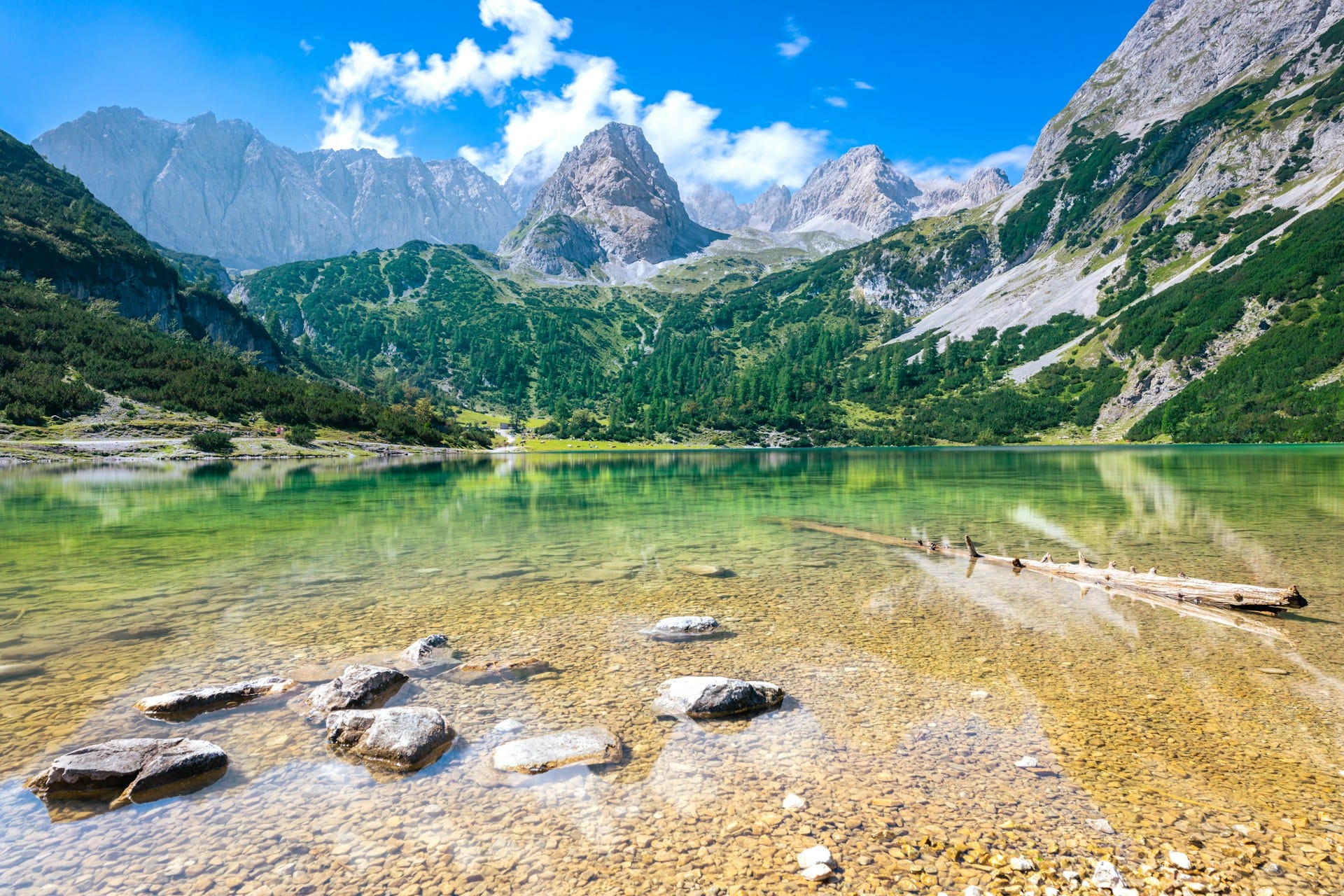
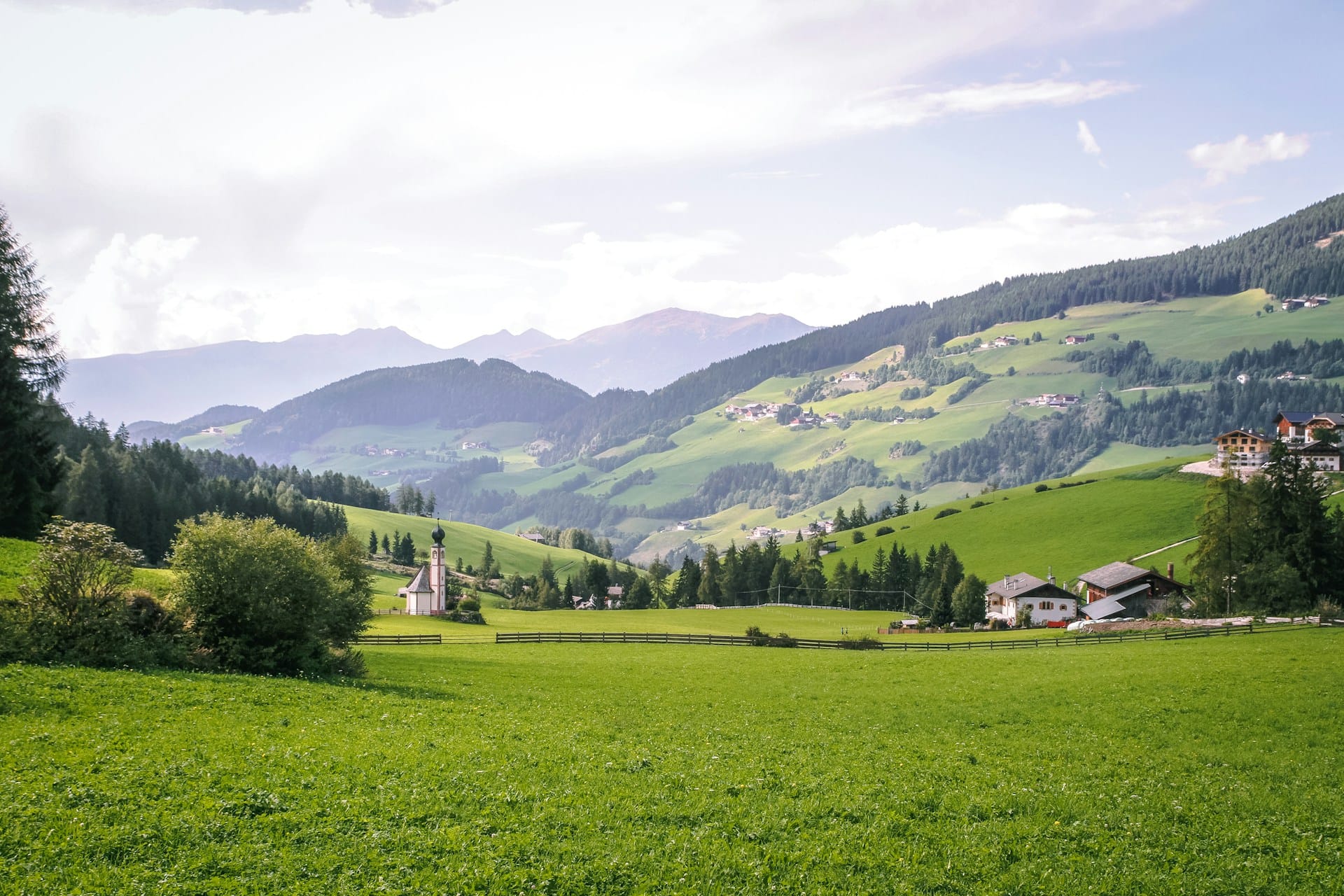
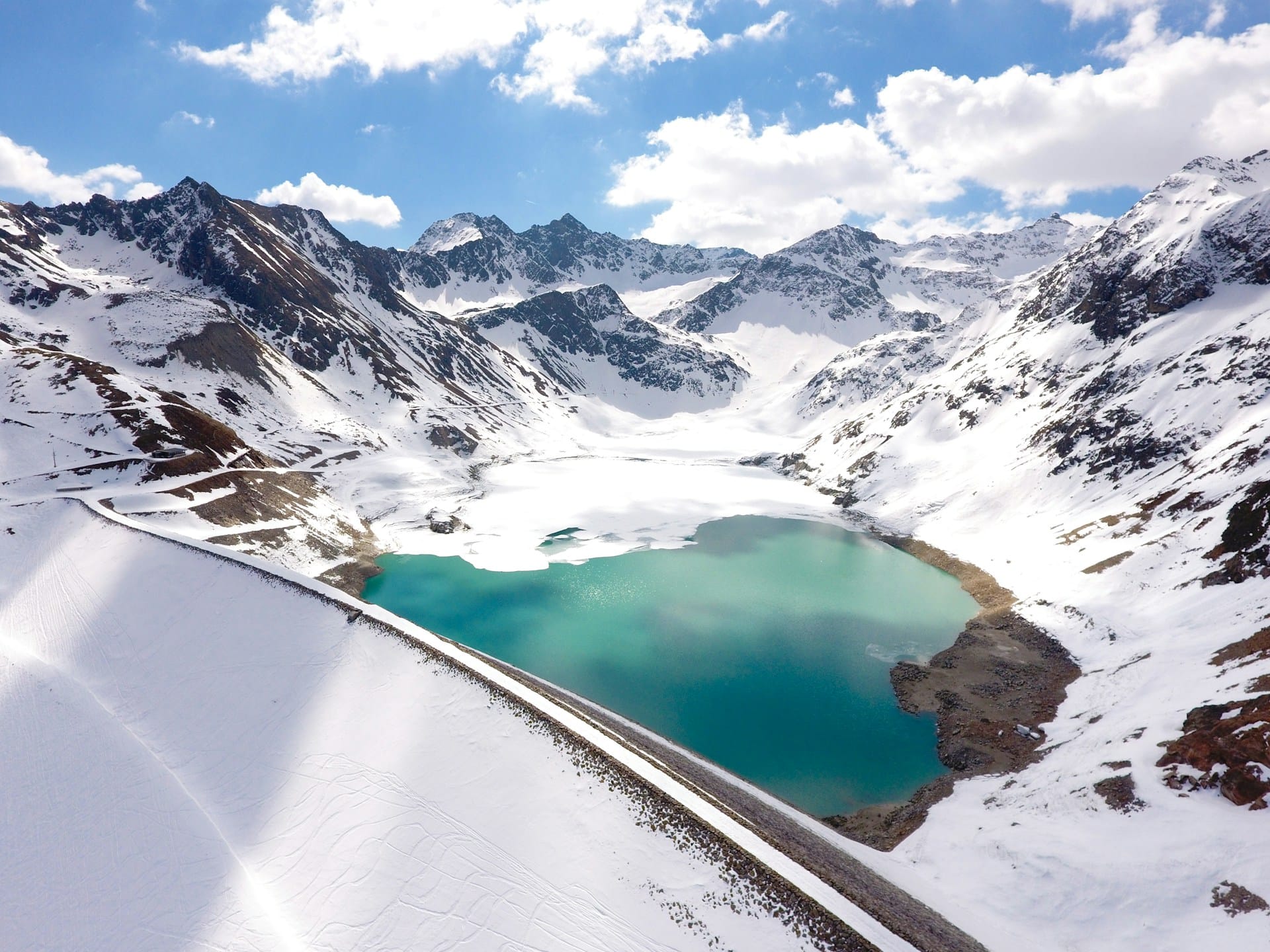
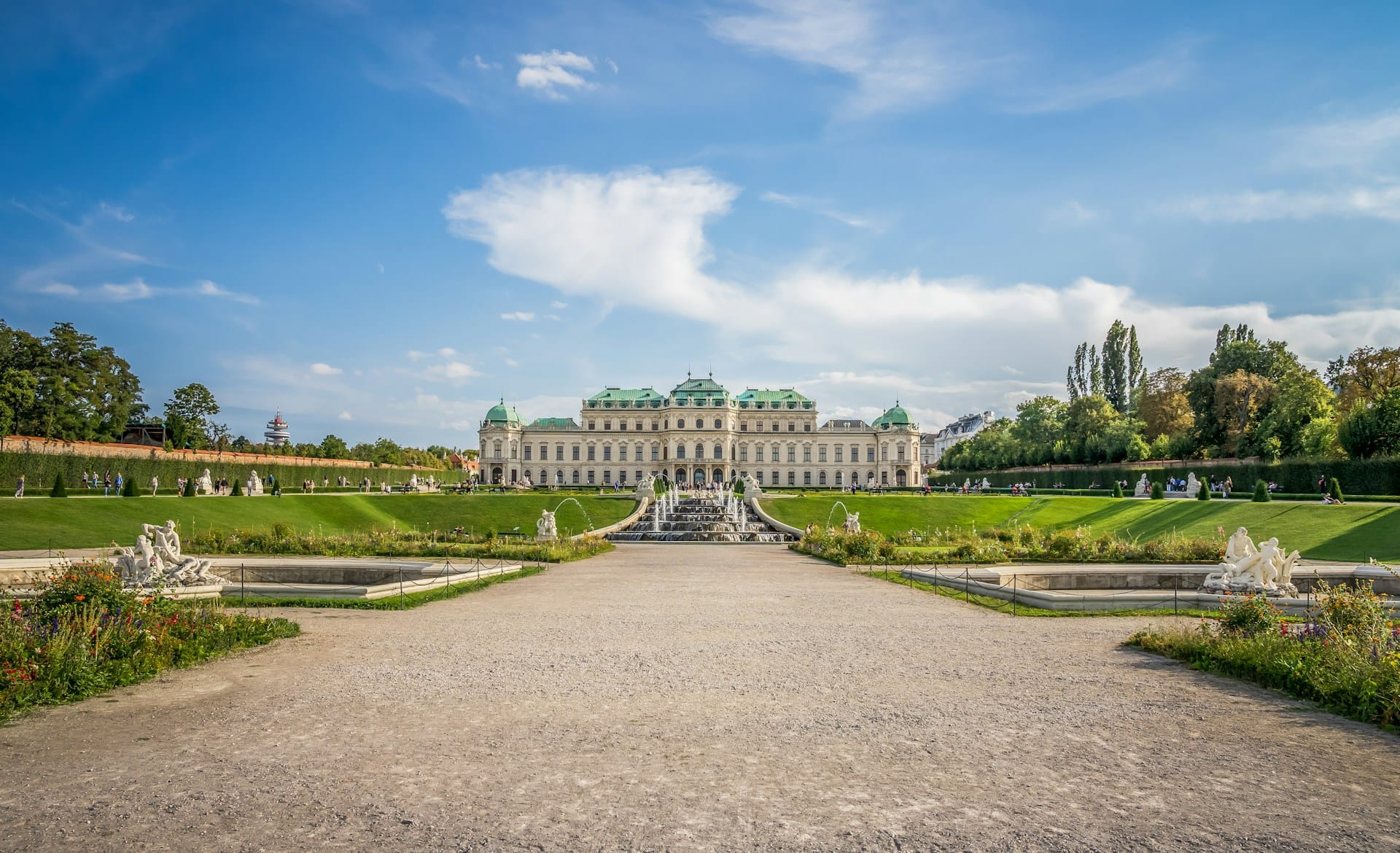
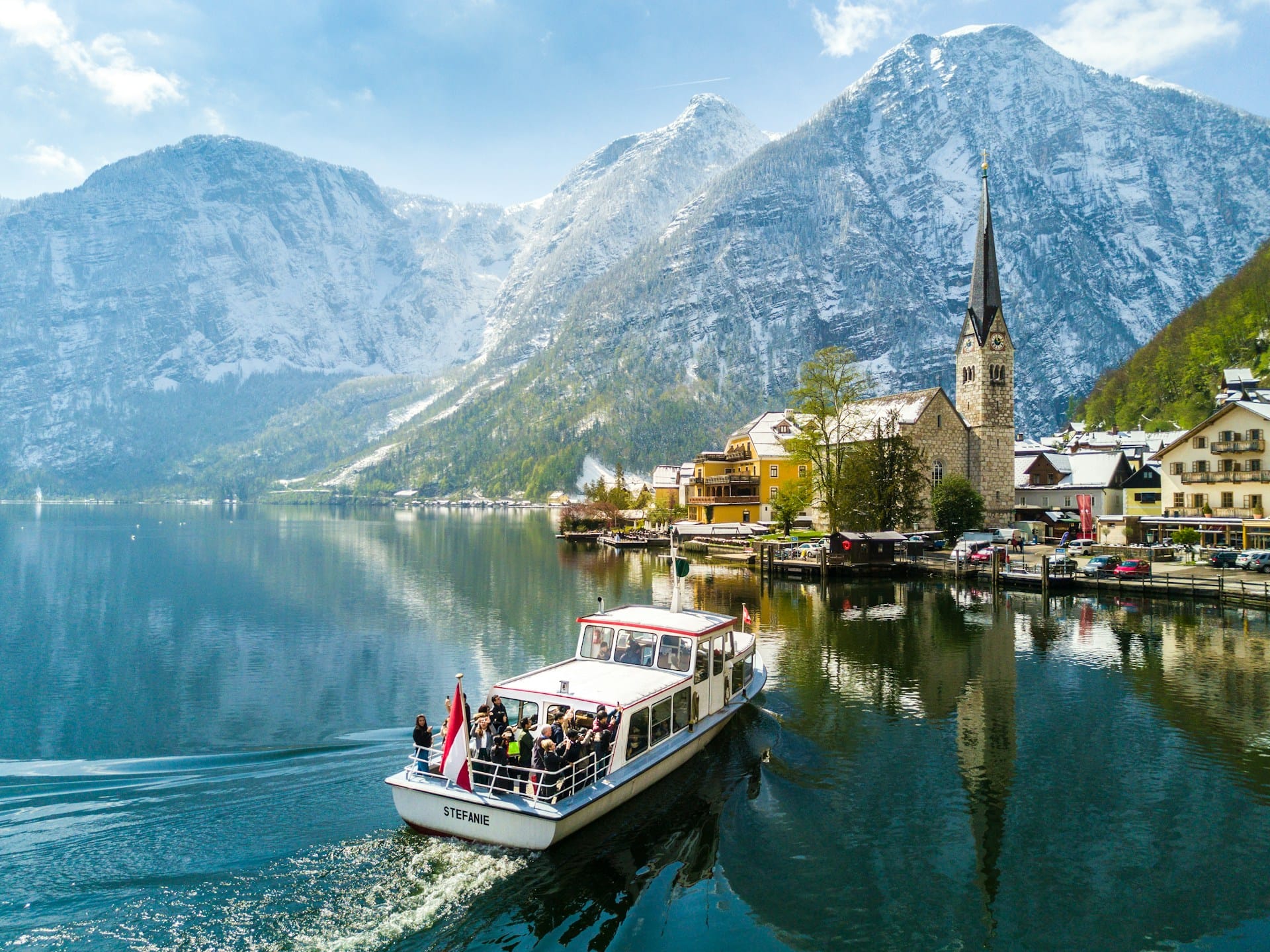
Contrary to popular perceptions, Austria is not all about mountains. While the Alps do cover 3/4 of the country dominating the provinces of Vorarlberg, Tyrol, Salzburg, Styria, Upper Austria and Carinthia, the eastern provinces of Lower Austria, the Burgenland and the federal capital of Vienna are more similar to the geography of the neighboring Czech Republic and Hungary. This diverse mix of landscapes is packed into a relatively small area of size. Glaciers, meadows, alpine valleys, wooded foothills, gently rolling farmland, vineyards, river gorges, plains and even semi–arid steppes can be found in Austria.
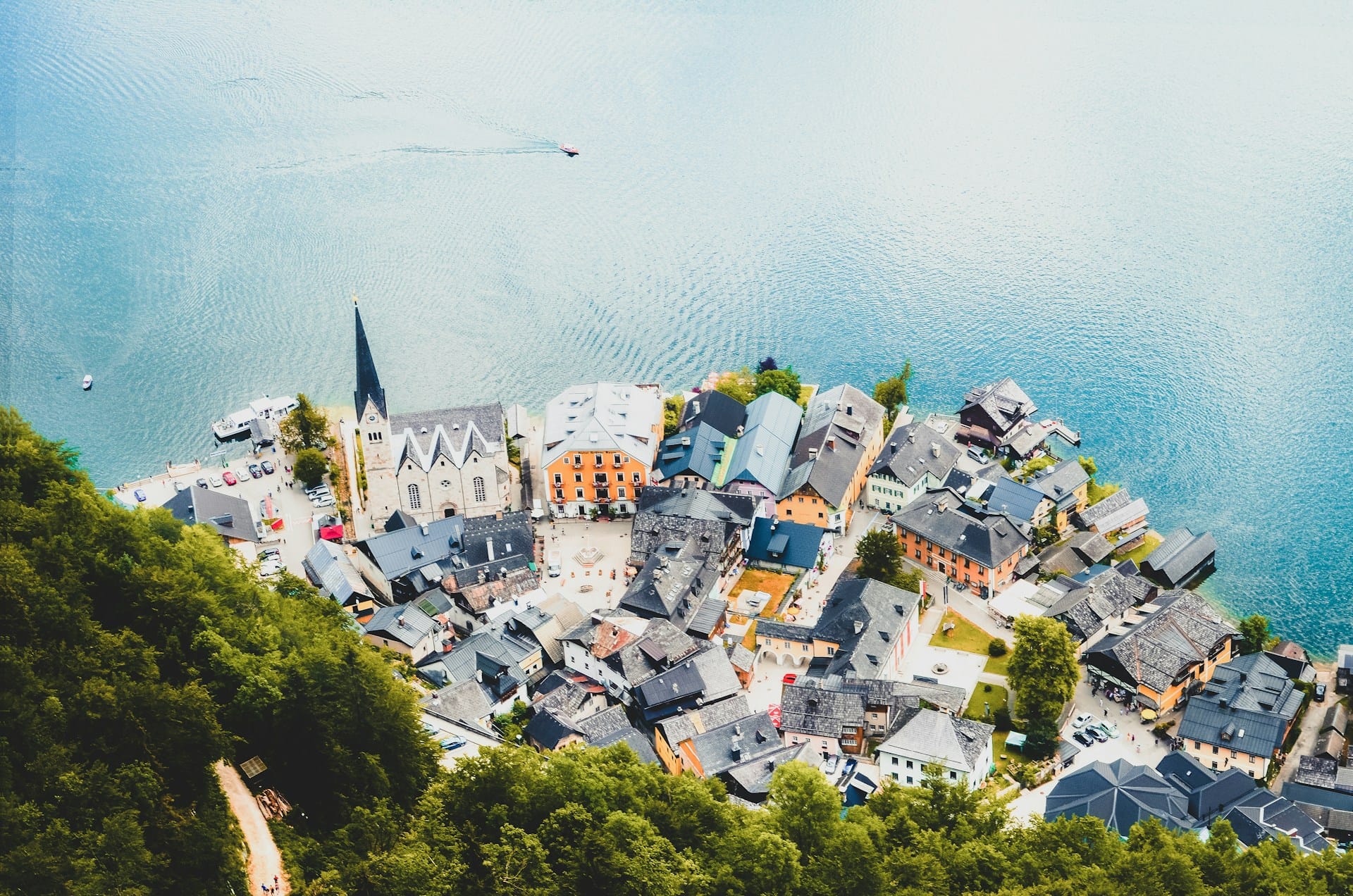
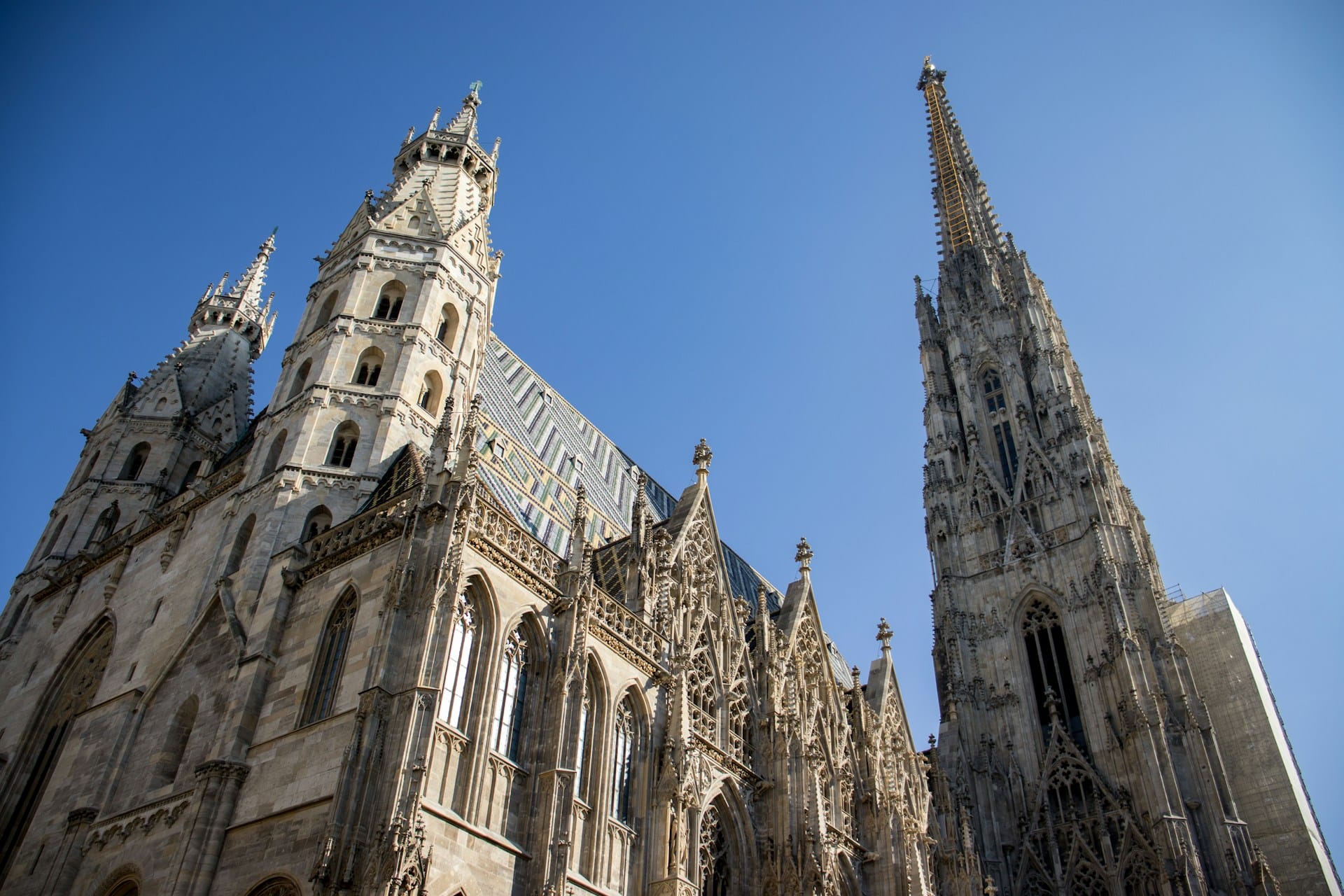
Austria, along with neighbouring Switzerland, is the winter sports capital of Europe. However, it is just as popular for summer tourists who visit its historic cities and villages and hike in the magnificent scenery of the Alps.
Things to do
Cycling
Austria is well known for its scenic cycle routes along its largest rivers. Though Austria is a mountainous country, cycle routes along rivers are flat or gently downhill, and therefore suitable even for casual cyclists. The most famous route is the Danube cycle path from Passau to Vienna, which is one of the most popular cycle paths in Europe. Other rivers with well–developed cycle routes are the Inn, Drau, Moell and Mur.
Music
Many visitors come to experience Austria's musical heritage. Salzburg and Vienna offer world renowned opera, classical music and jazz at moderate prices. There are dozens of Summer festivals for all tastes, the most famous being the avant–garde Salzburg festival (Salzburger Festspiele). Austrian folk music (Volksmusik) is an integral part of rural Austria, and is said to have influenced many of the nation's big composers.
Hiking
It is normally safe to hike without a guide in the Austrian Alps, as there is a dense network of marked trails and mountain shelters. However, walkers are strongly advised not to stray off the trails and not to hike in bad weather or without suitable equipment. Before setting off, always check with the local tourist office whether the trail corresponds to your abilities.
Christmas Markets
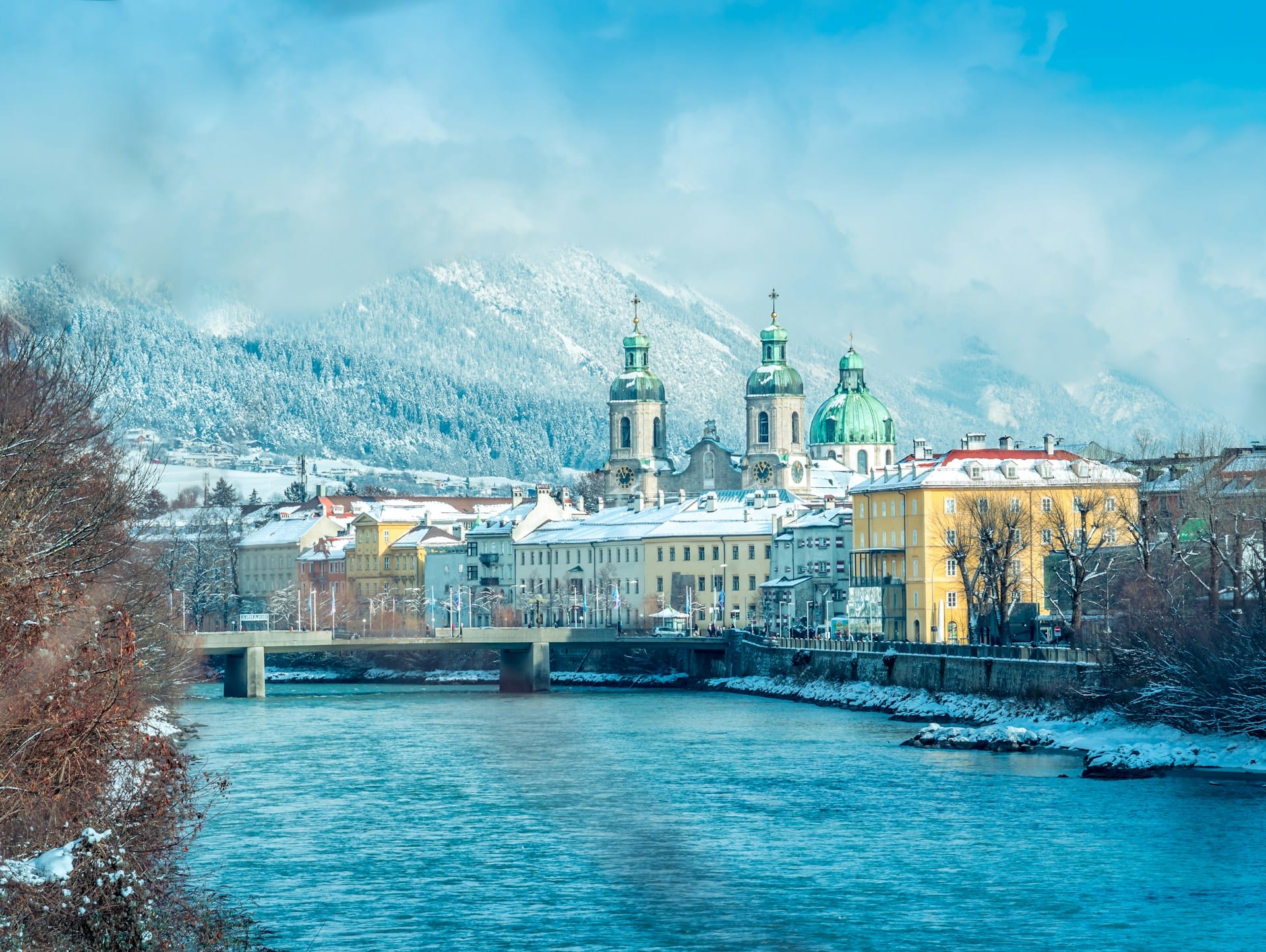
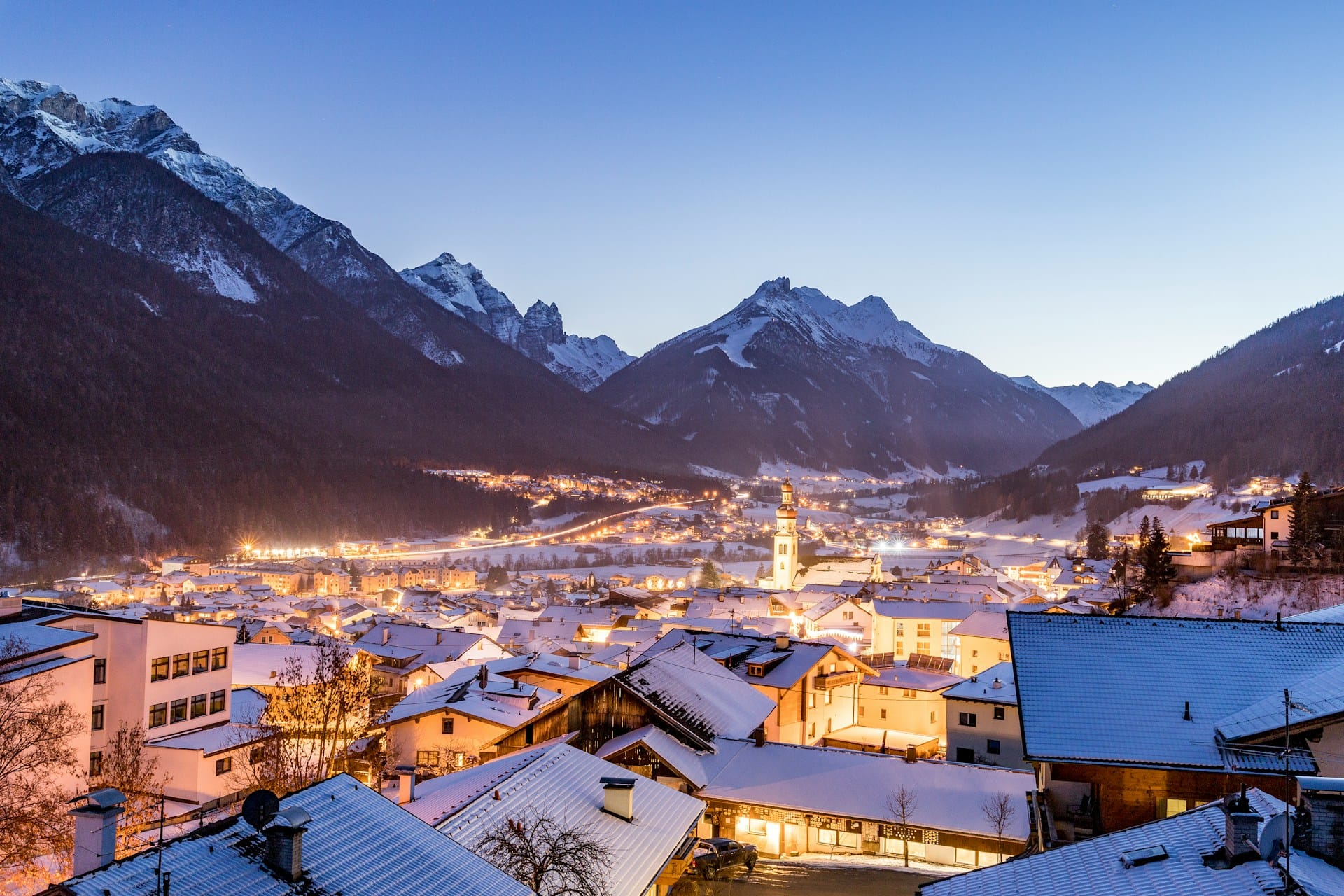
From the middle of November until the end of the year, Austria is the place to find romantic Christmas Markets. Glistening lights, seasonal treats and snow–covered roofs make for a magical experience in Austria's towns and squares, forming an idyllic advent getaway.
Traditional Foods
Austria's cuisine is derived from that of the Austro–Hungarian Empire. It is famous for its well–balanced variations of beef and pork and countless variations of vegetables. Wiener Schnitzel (a bread–crumbed and fried veal escalope) is something of a national dish, and Kndel are a kind of dumpling which can be made either sweet or savory according to taste. In Vienna the Tafelspitz (boiled beef with potatoes and horseradish) is traditionally served on Sundays, and is normally accompanied by clear broth with dumplings and herbs. Apart from these, Austria is renowned for its pastries and desserts, the most well–known of which is probably the Apfelstrudel.
Bread is taken seriously in Austria. Almost every village has its own bakery, offering a large choice of freshly baked sweet and savoury rolls daily from 6AM. Rye bread (Vollkornbrot, Bauernbrot) is the traditional staple food among peasants. If this is too heavy for you, try the common white bread roll (Semmel).