Croatia Travel Guide
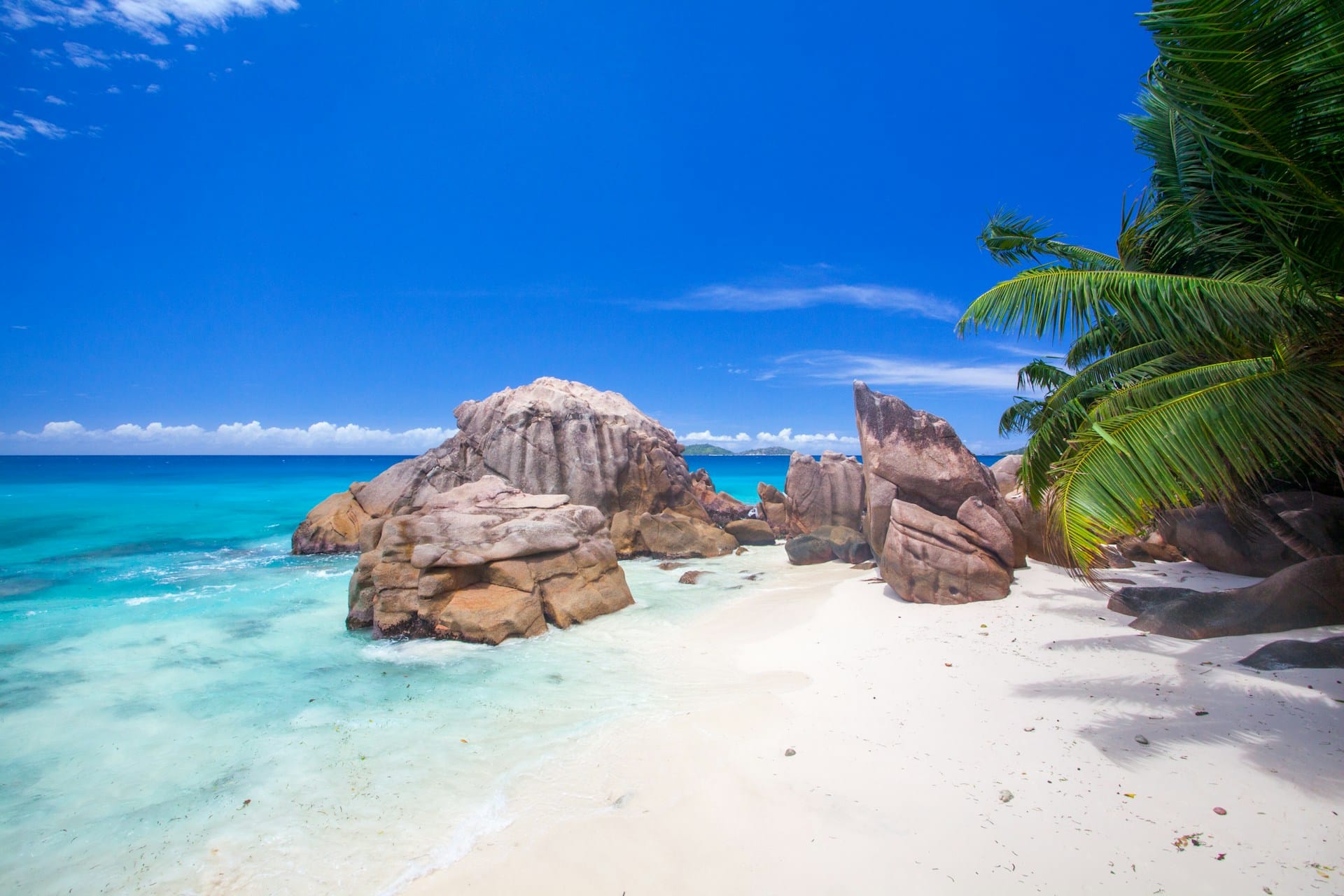
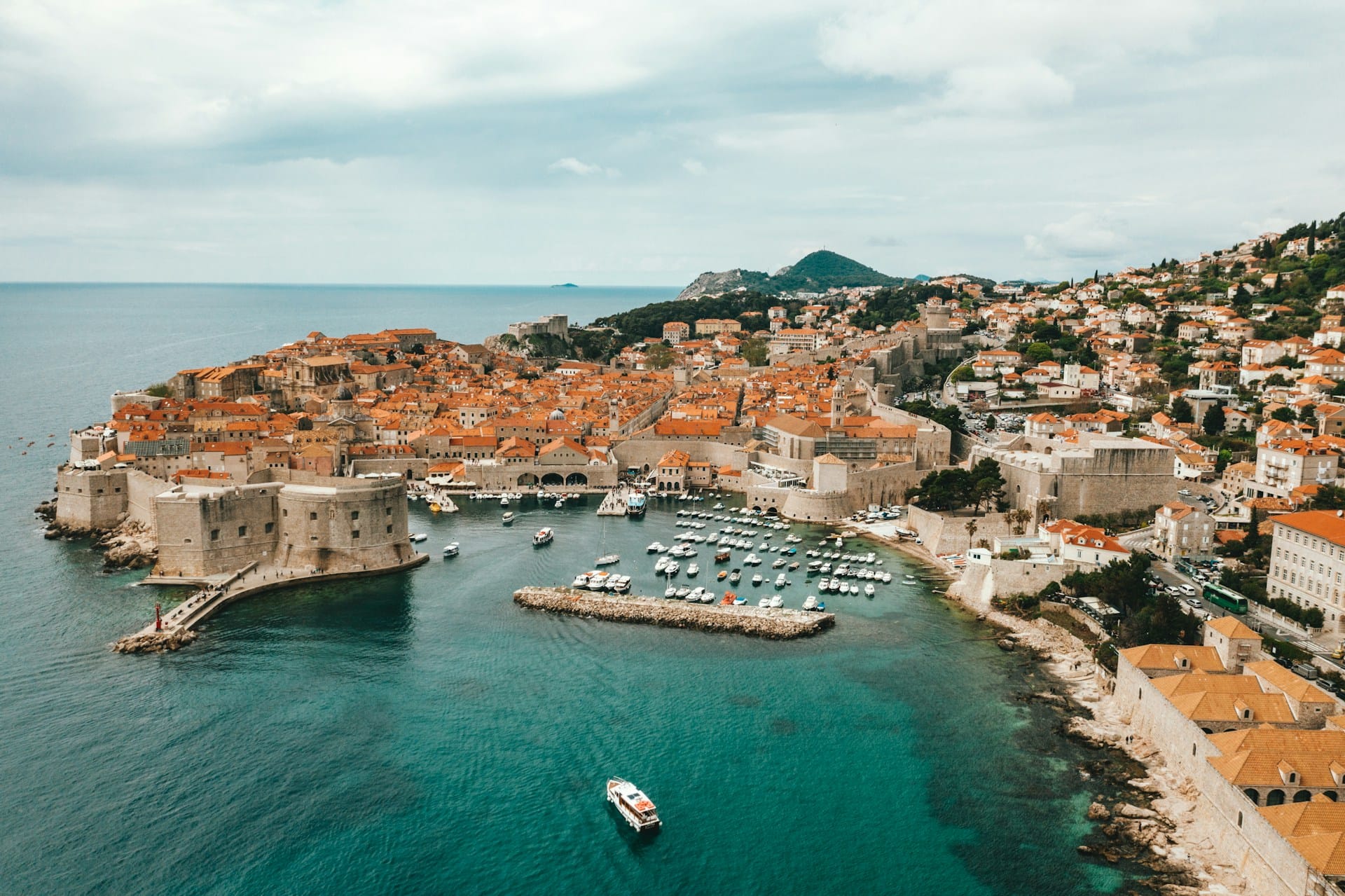
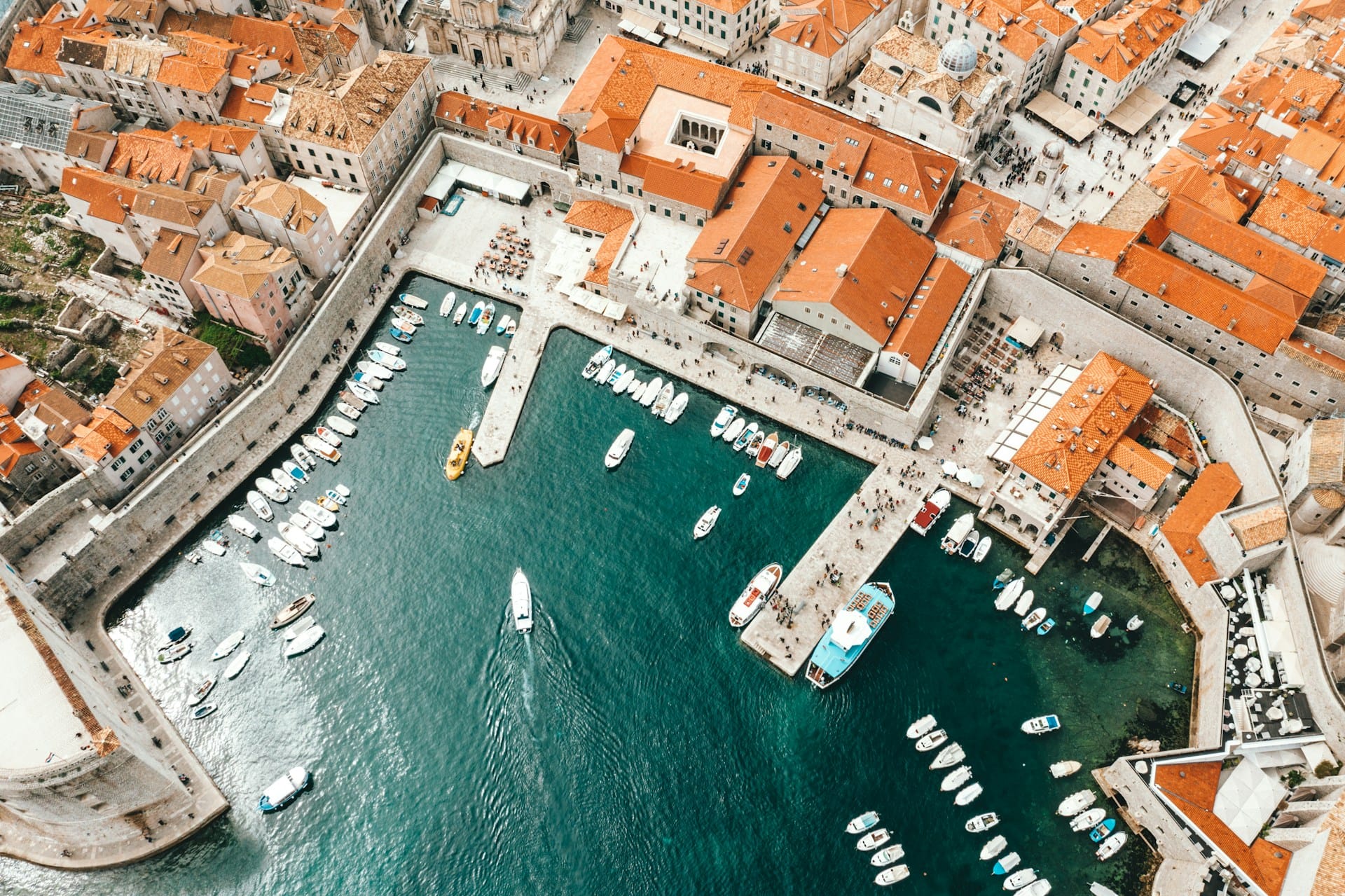
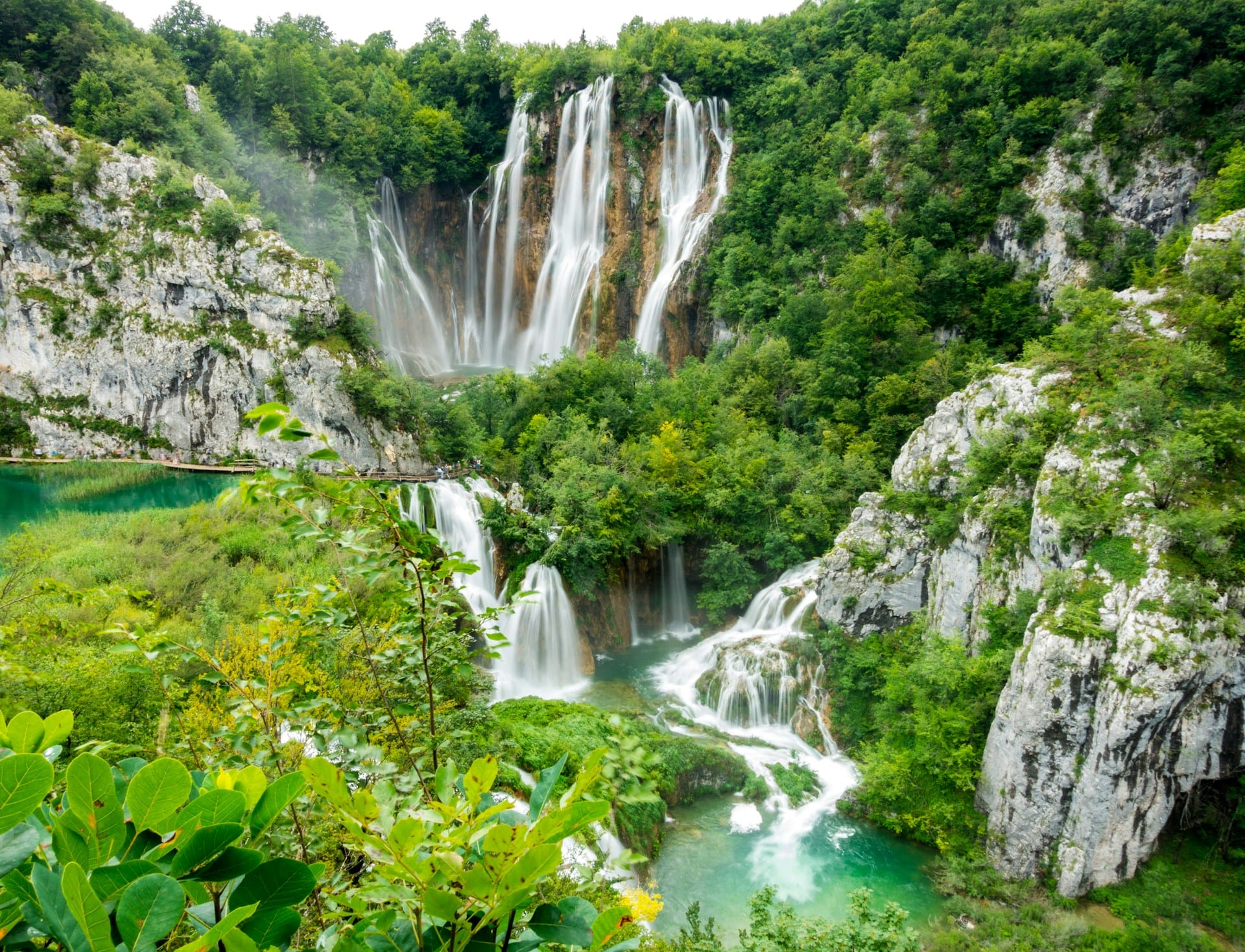
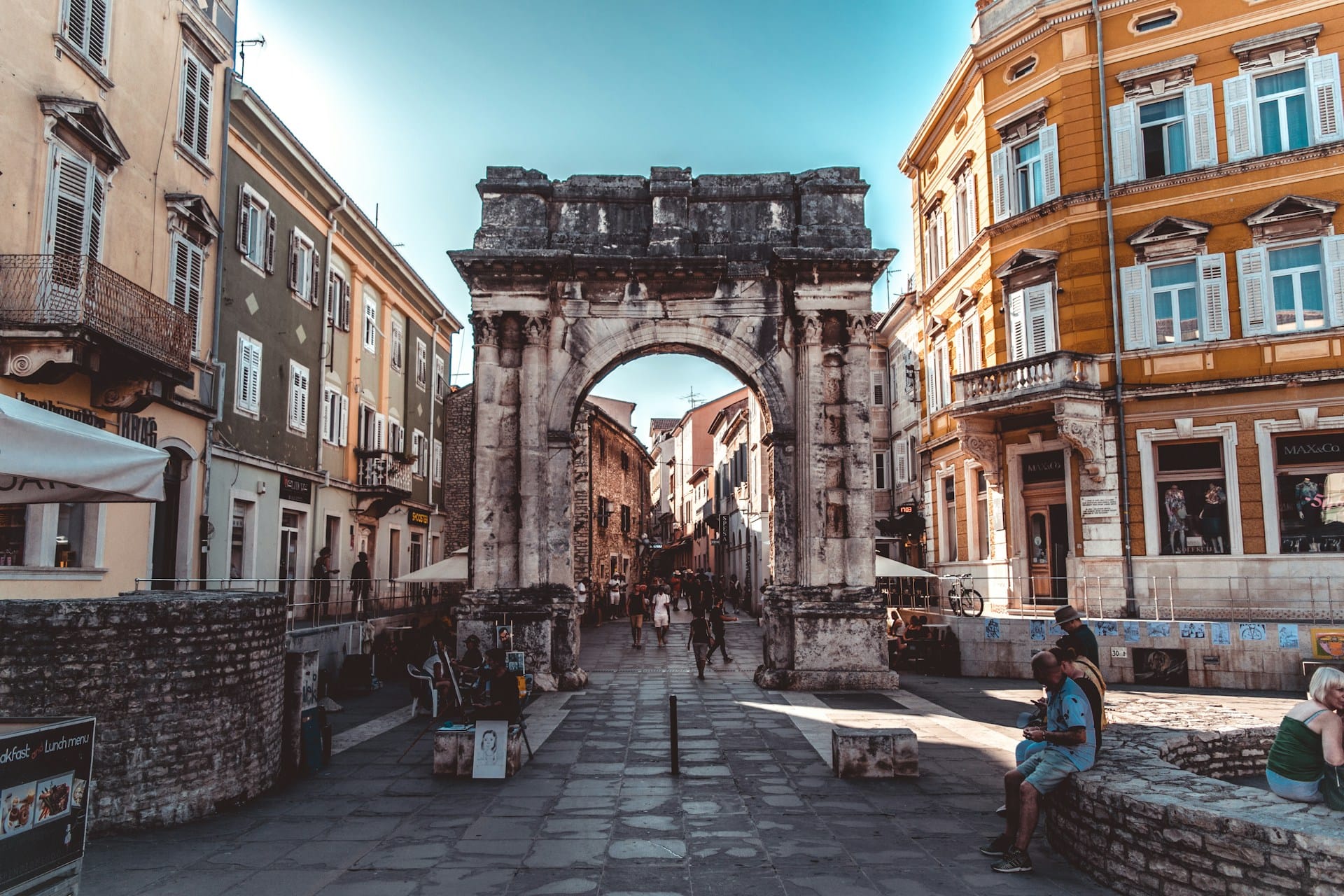
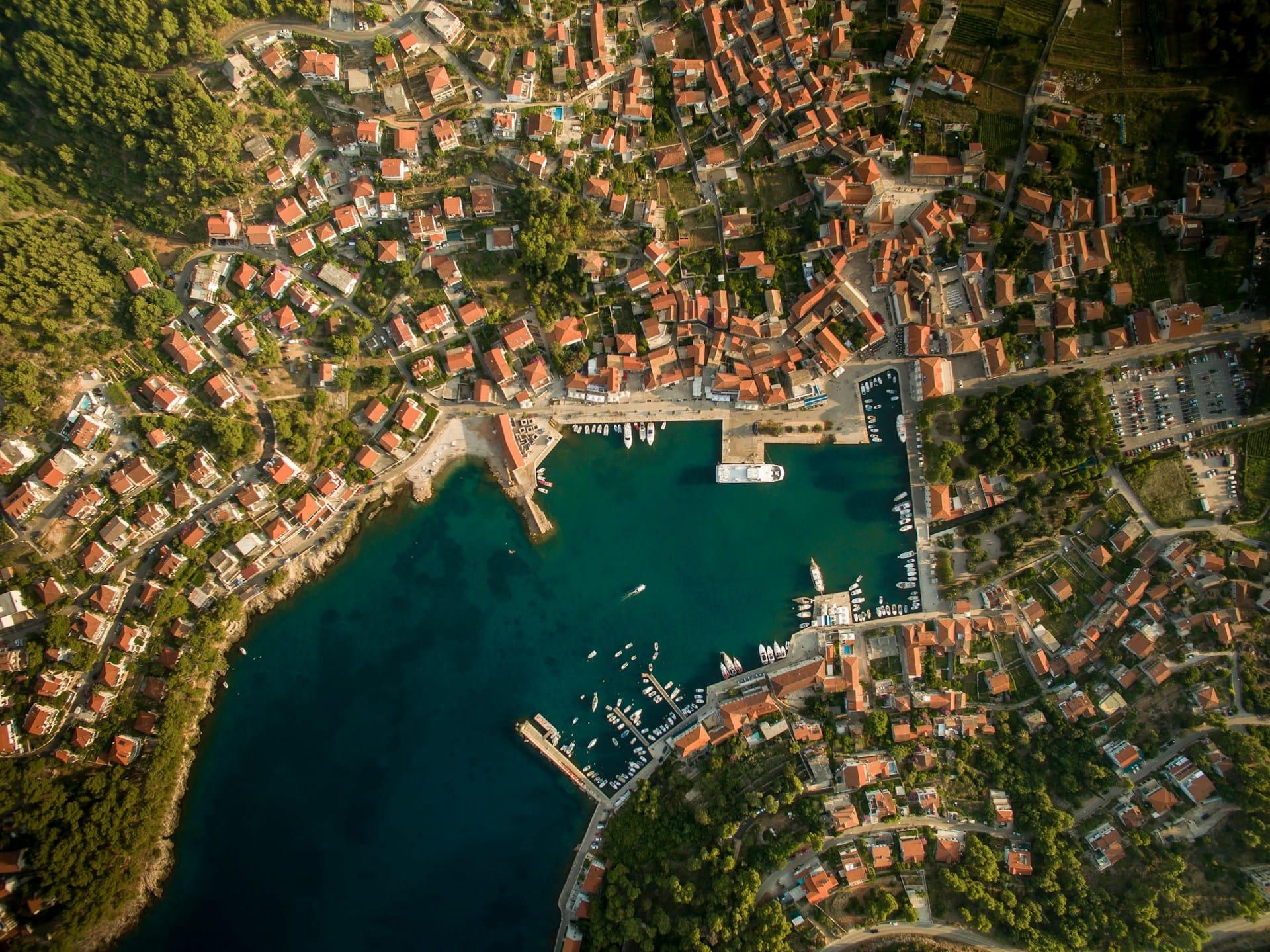
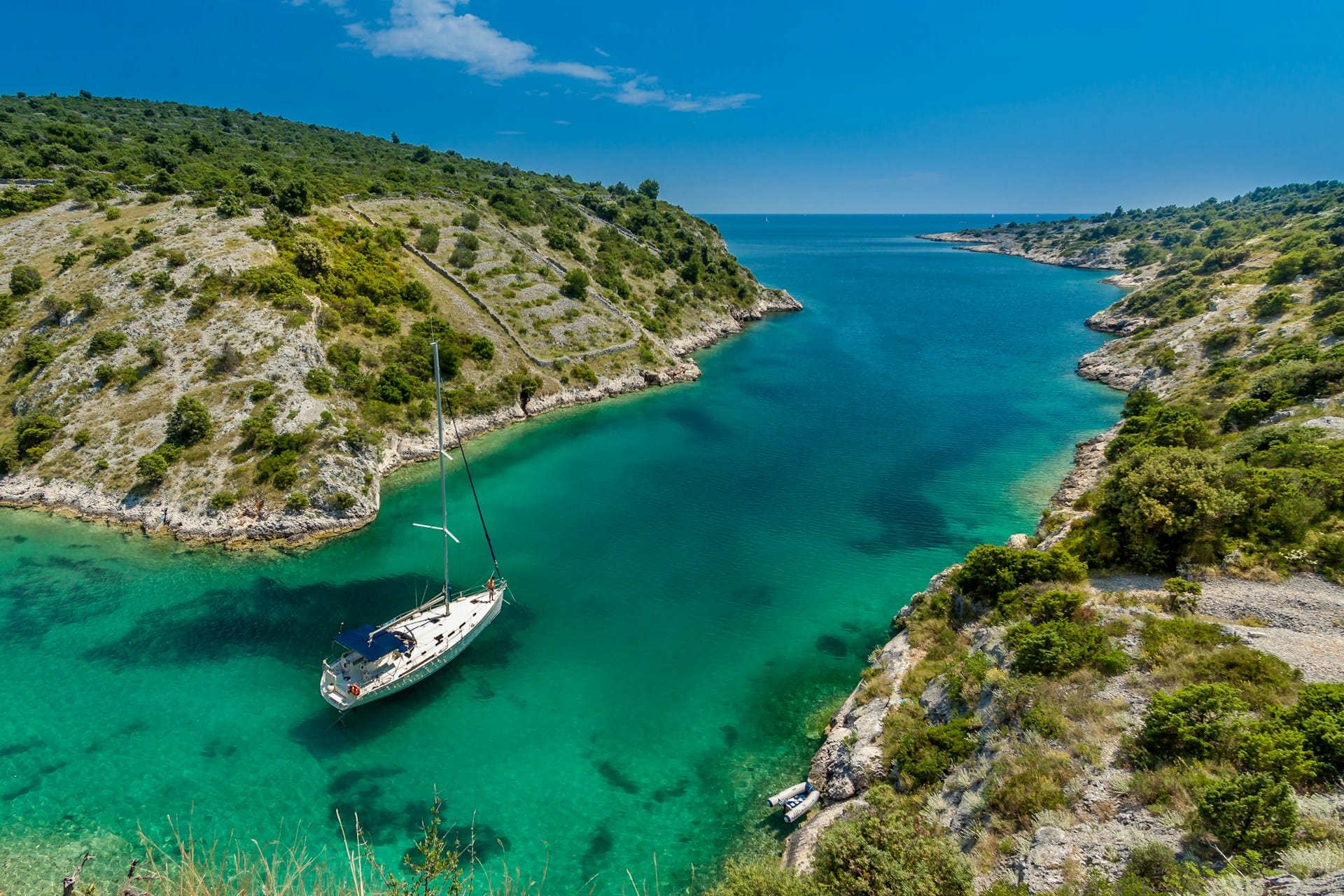
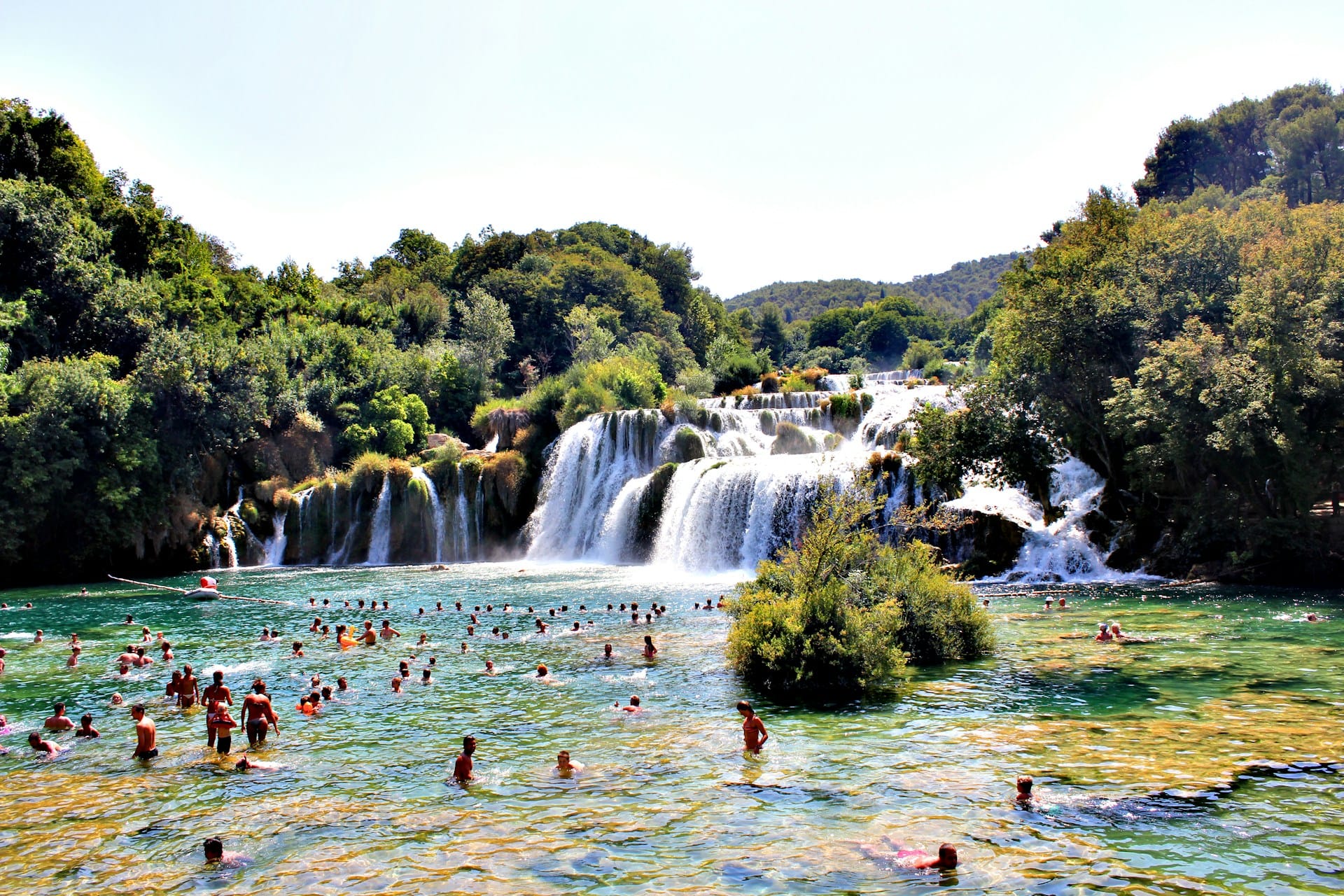
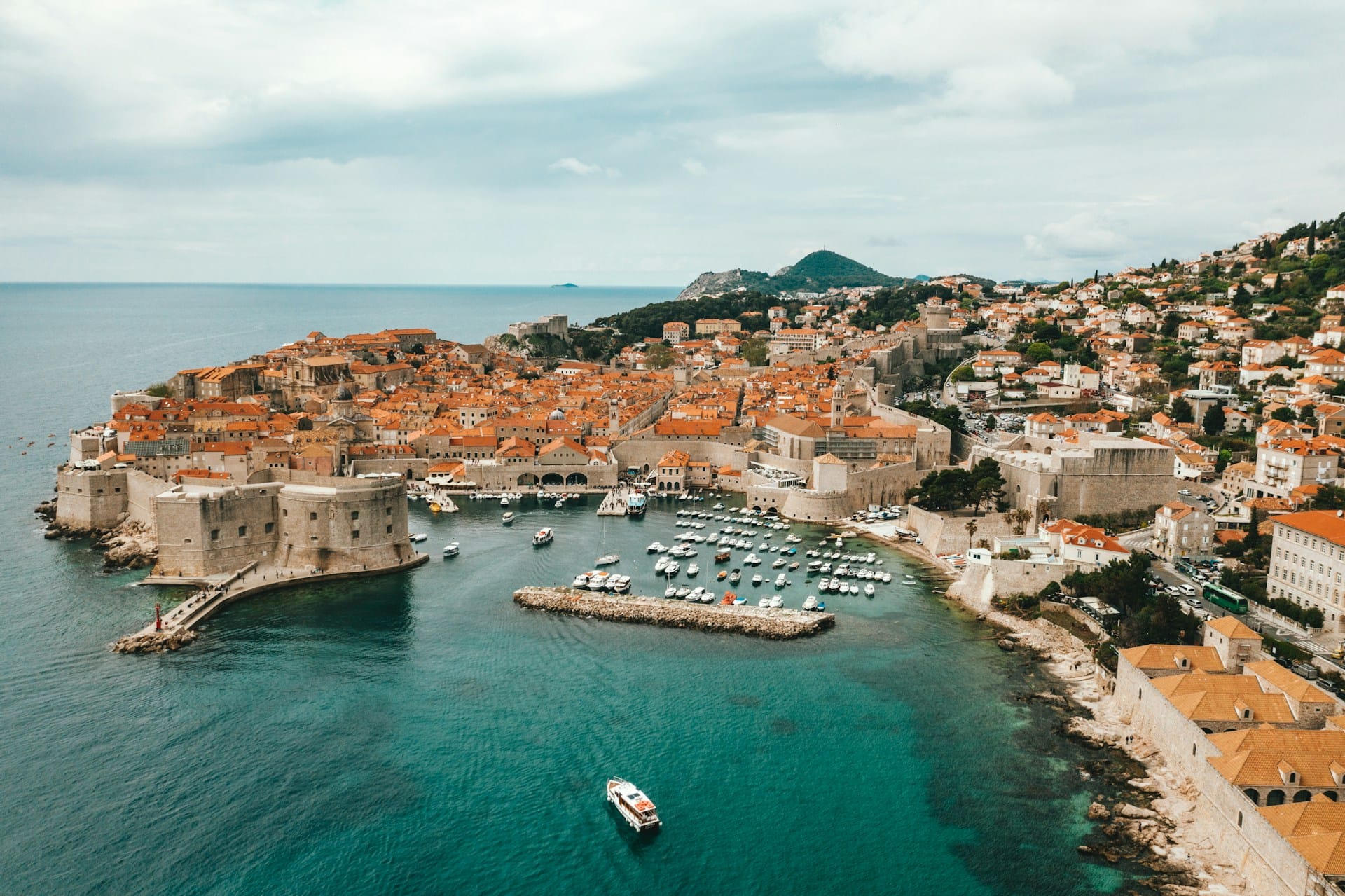
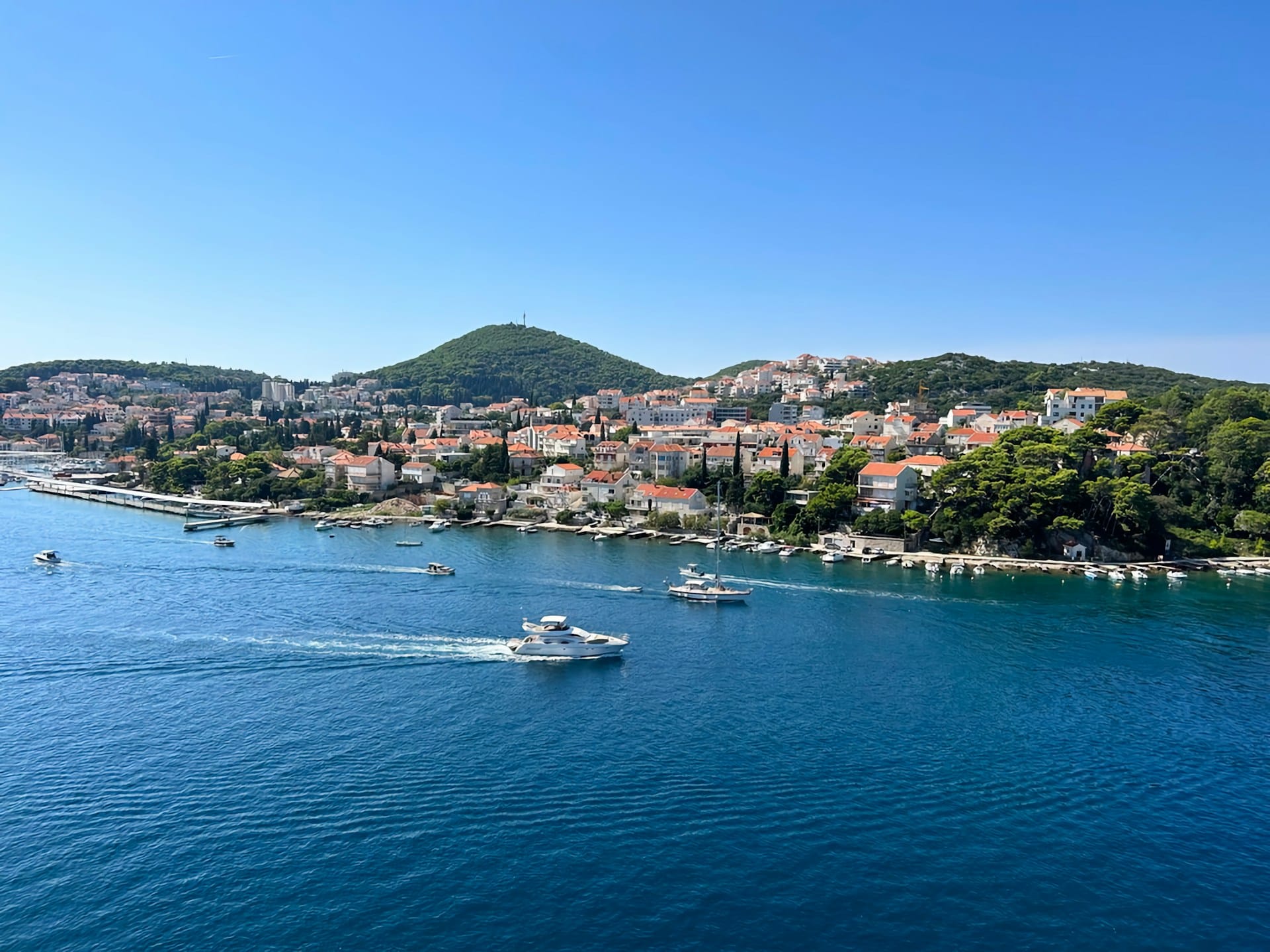
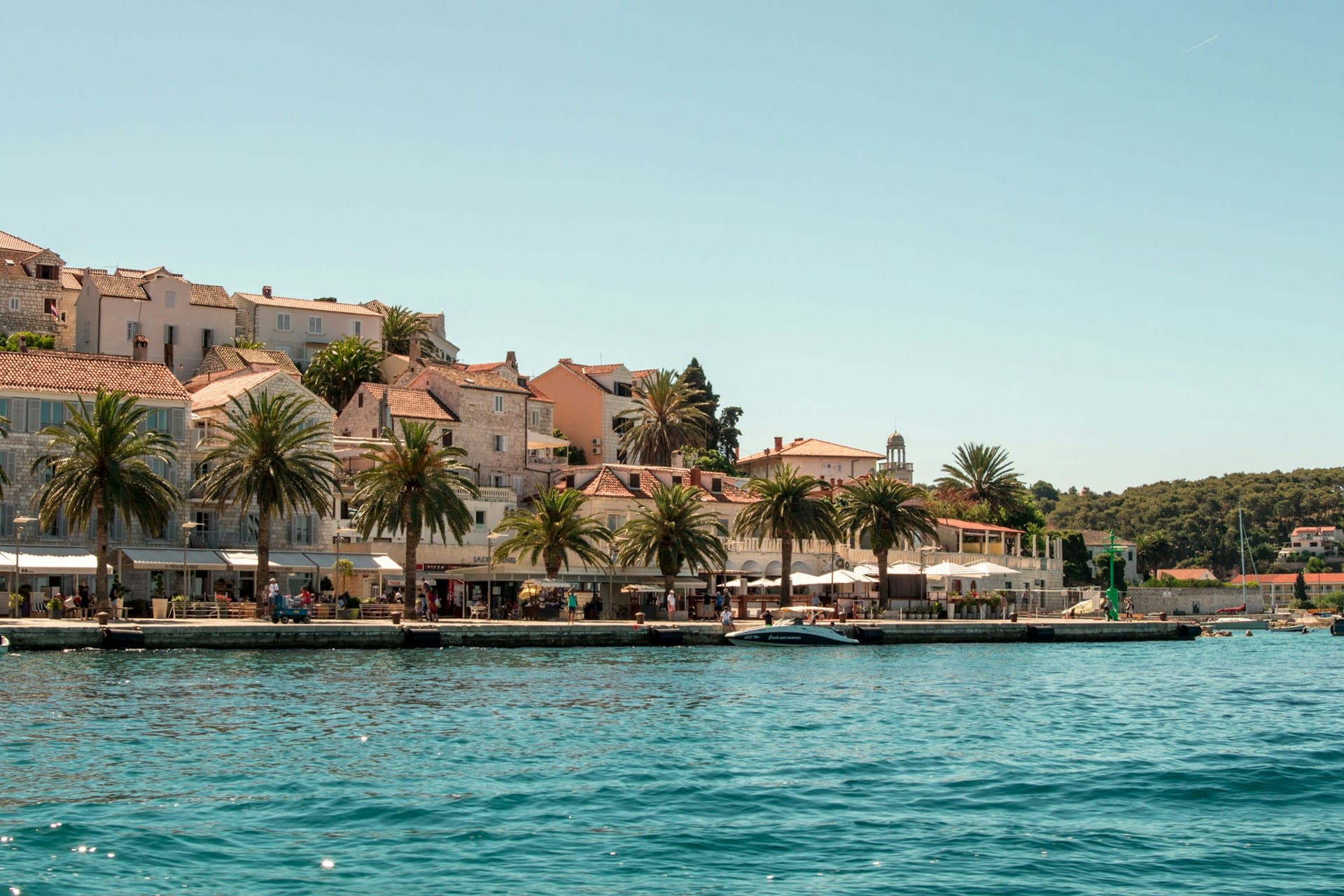
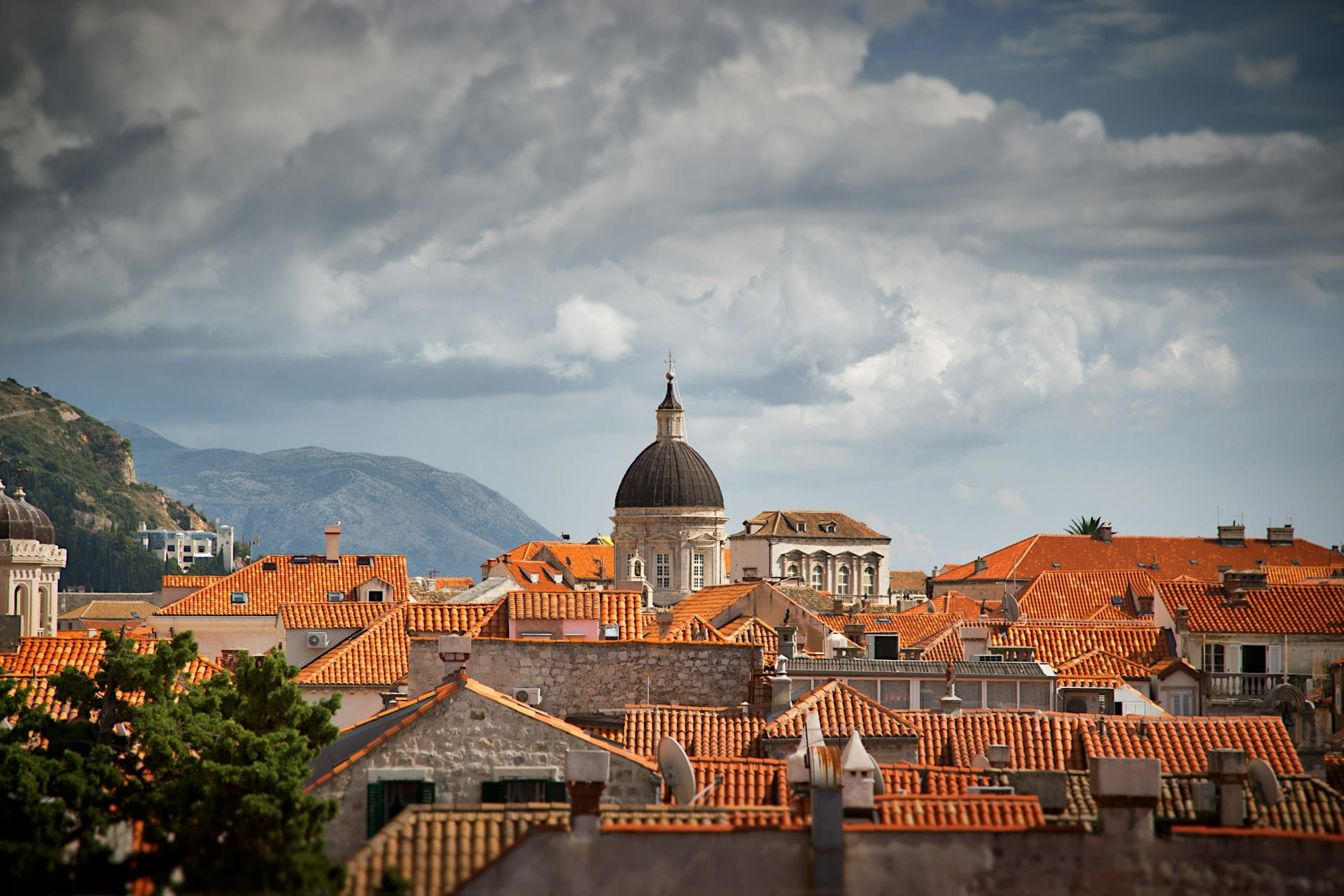
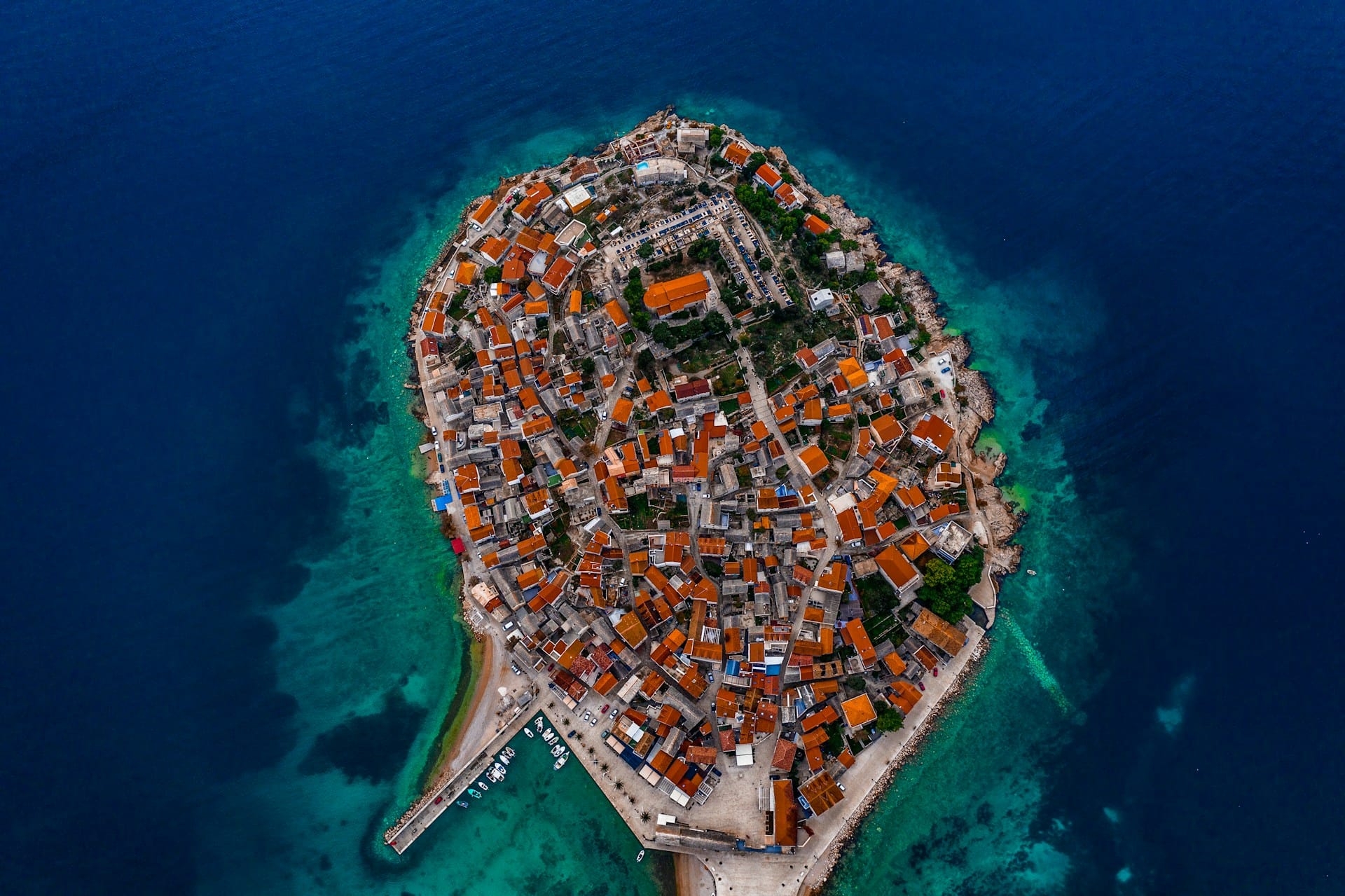
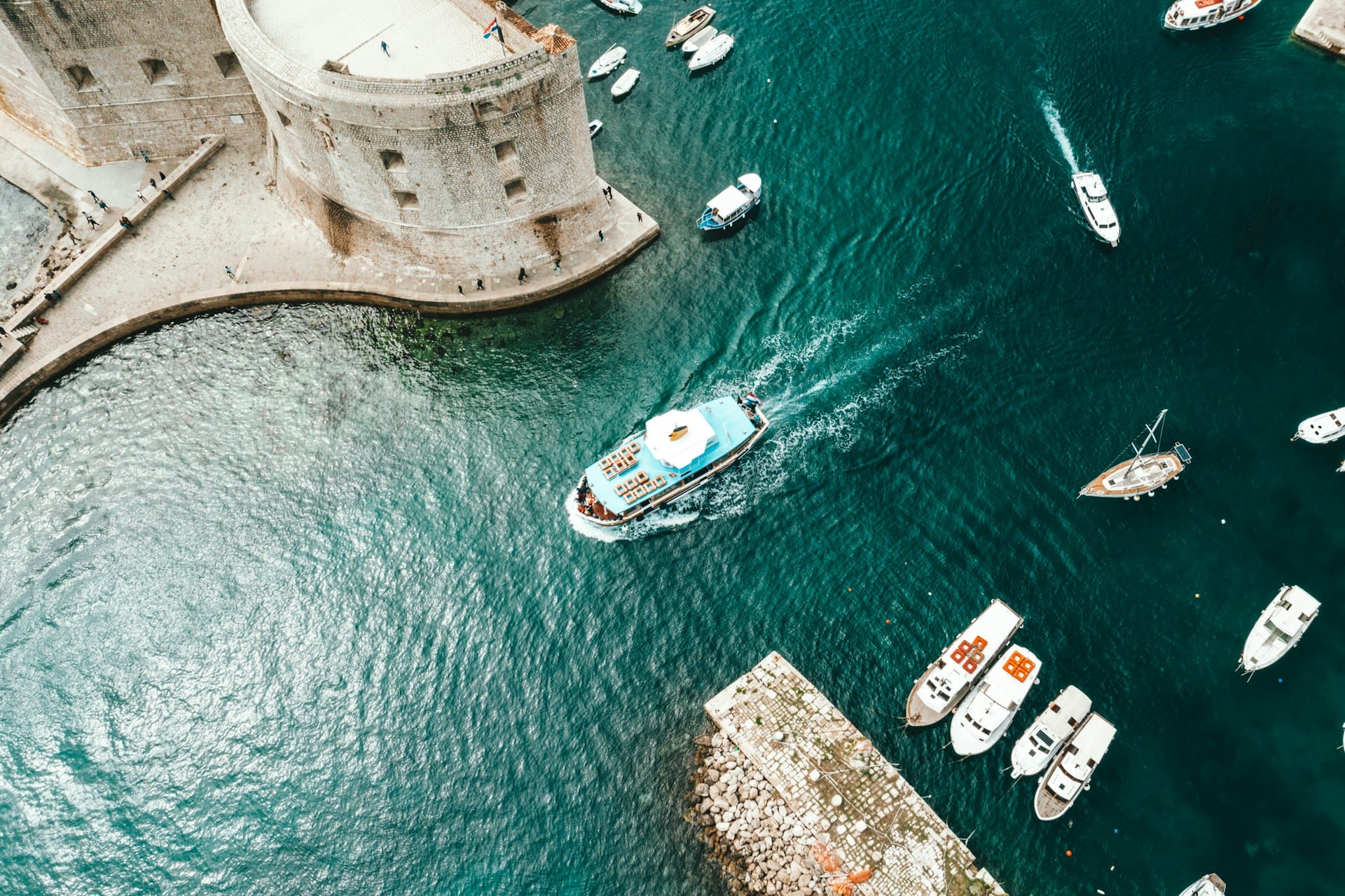
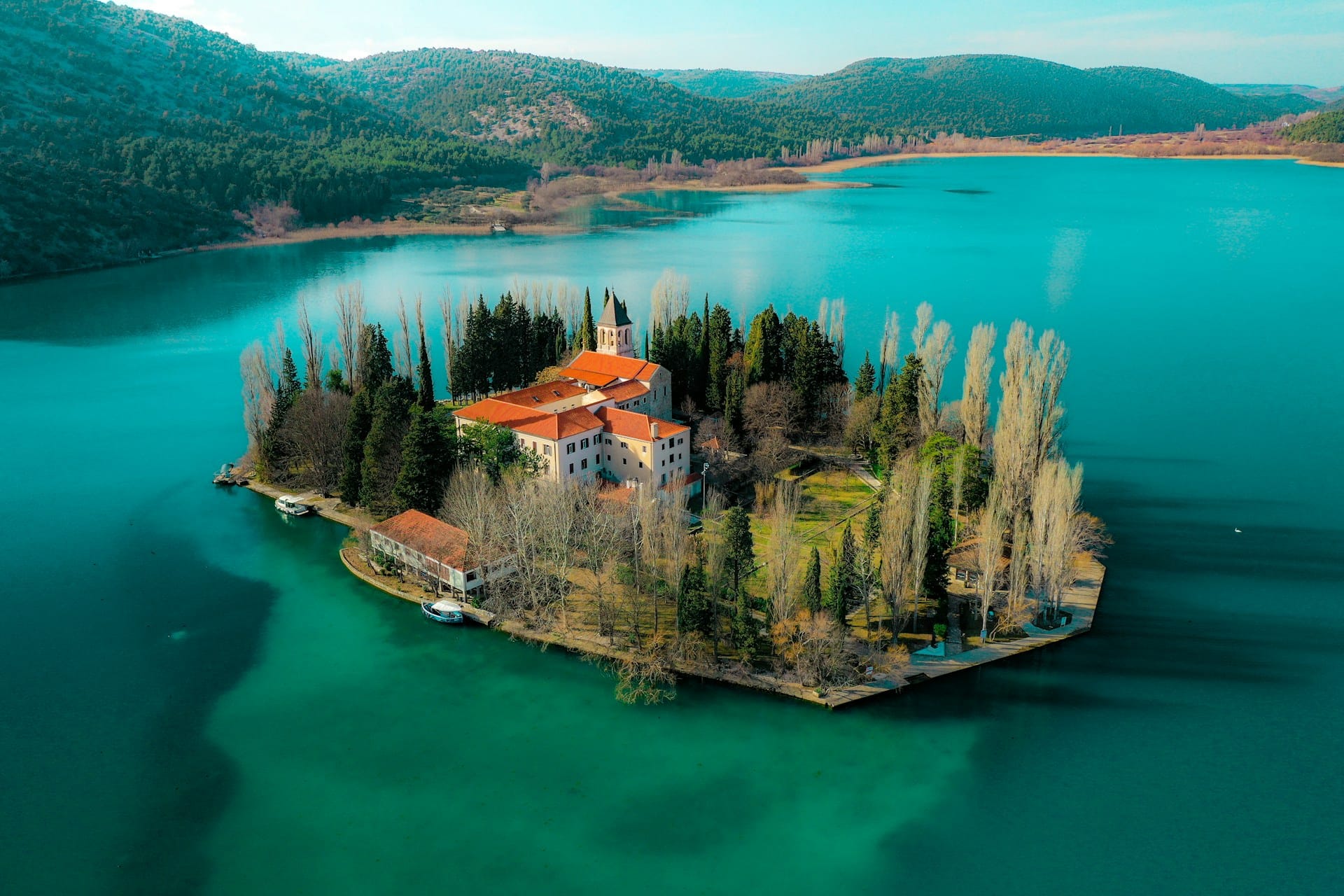
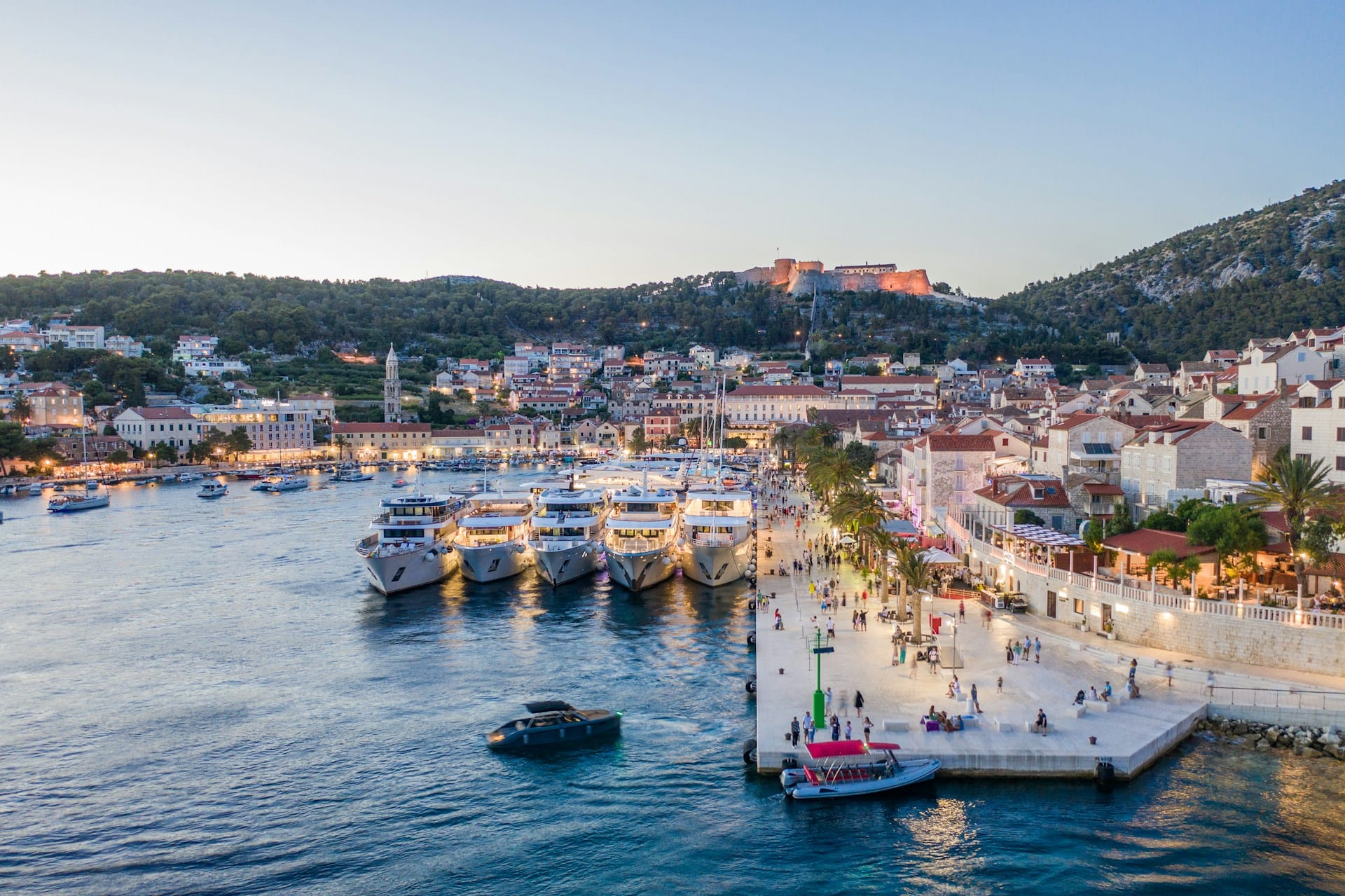
Croatia is a country situated on the Balkan and in Central Europe. It is to the east side of the Adriatic Sea, to the east of Italy. Dotted along the stunning coastline, there are over 1,200 inviting coastal islands. Croatia has everything from picturesque historic walled cities to spectacular Roman ruins, imposing castles, unspoilt national parks and some of the Adriatic's clearest waters.
Northern Croatia has a temperate continental climate whereas the central and upland regions have a mountainous climate. The entire Adriatic coast has a pleasant Mediterranean climate. Spring and autumn are mild along the coast, while winter is cold and snowy in central and northern regions.
What to Eat
Croatian cuisine is quite diverse so it is hard to say what meal is most typically Croatian.
In the eastern continental regions (Slavonija and Baranja) spicy sausage such as kulen or kulenova seka is a must–try. Cobanac ("shepherd's stew") is a mixture of several different kinds of meat with a lot of red spicy paprika.
In Hrvatsko Zagorje and Central Croatia pasta filled with cheese called trukli is a famous delicacy, as is purica s mlincima (baked turkey with a special kind of pastry). Sir i vrhnje (sour cream with cottage cheese) can be bought fresh on the Zagreb main market Dolac.
In mountainous regions of Lika and Gorski Kotar meals made of mushrooms, wild berries and wild meat are very popular. One of the typical dishes in Lika is police (oven–baked potatoes covered with bacon) and several kinds of cheese (smoked cheese and kripavac).
The coastal region is well known for truffle delicacies and soup manetra od bobic (Istria), Dalmatian prut and paki sir (Pag–island cheese).