Gran Canaria Travel Guide
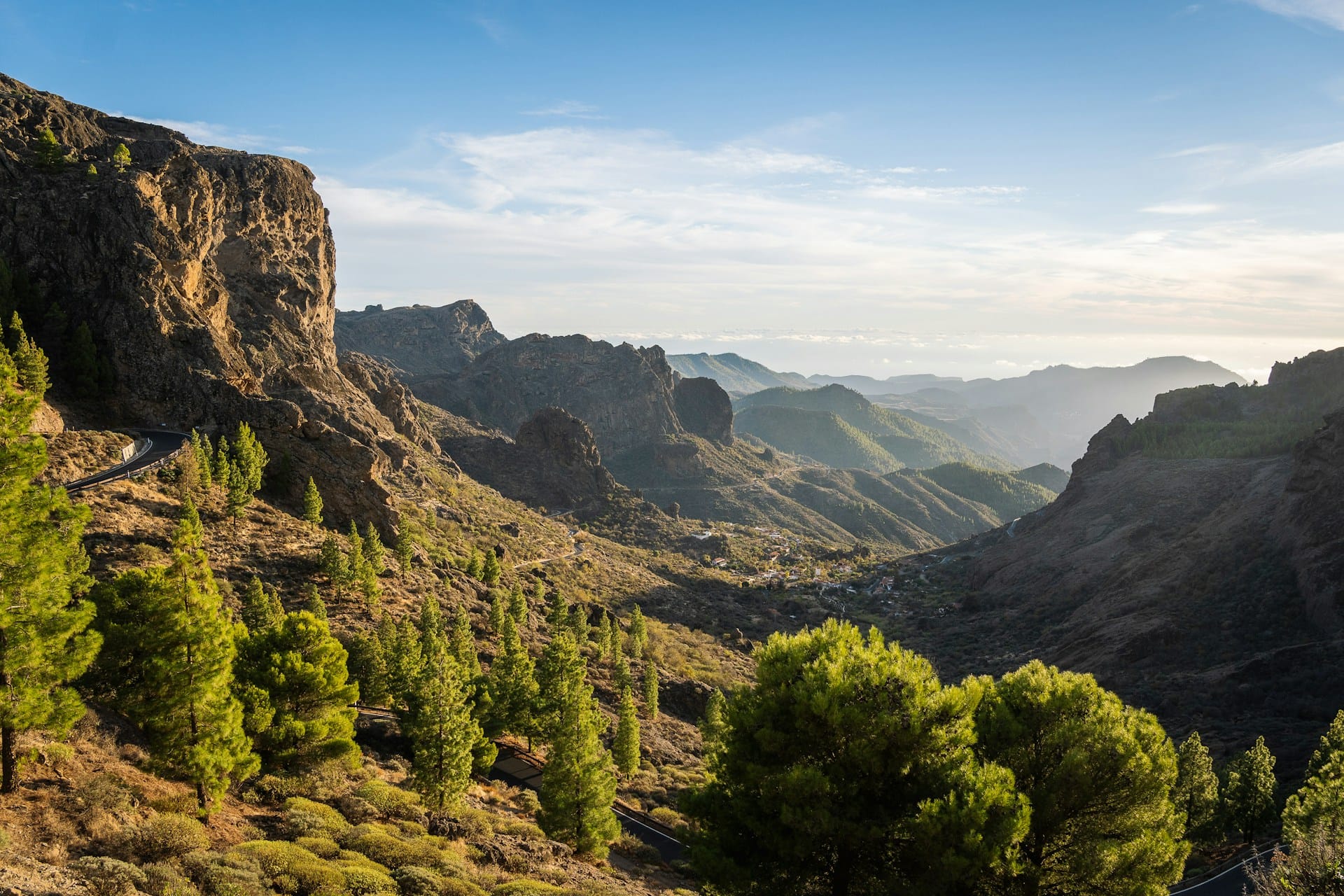
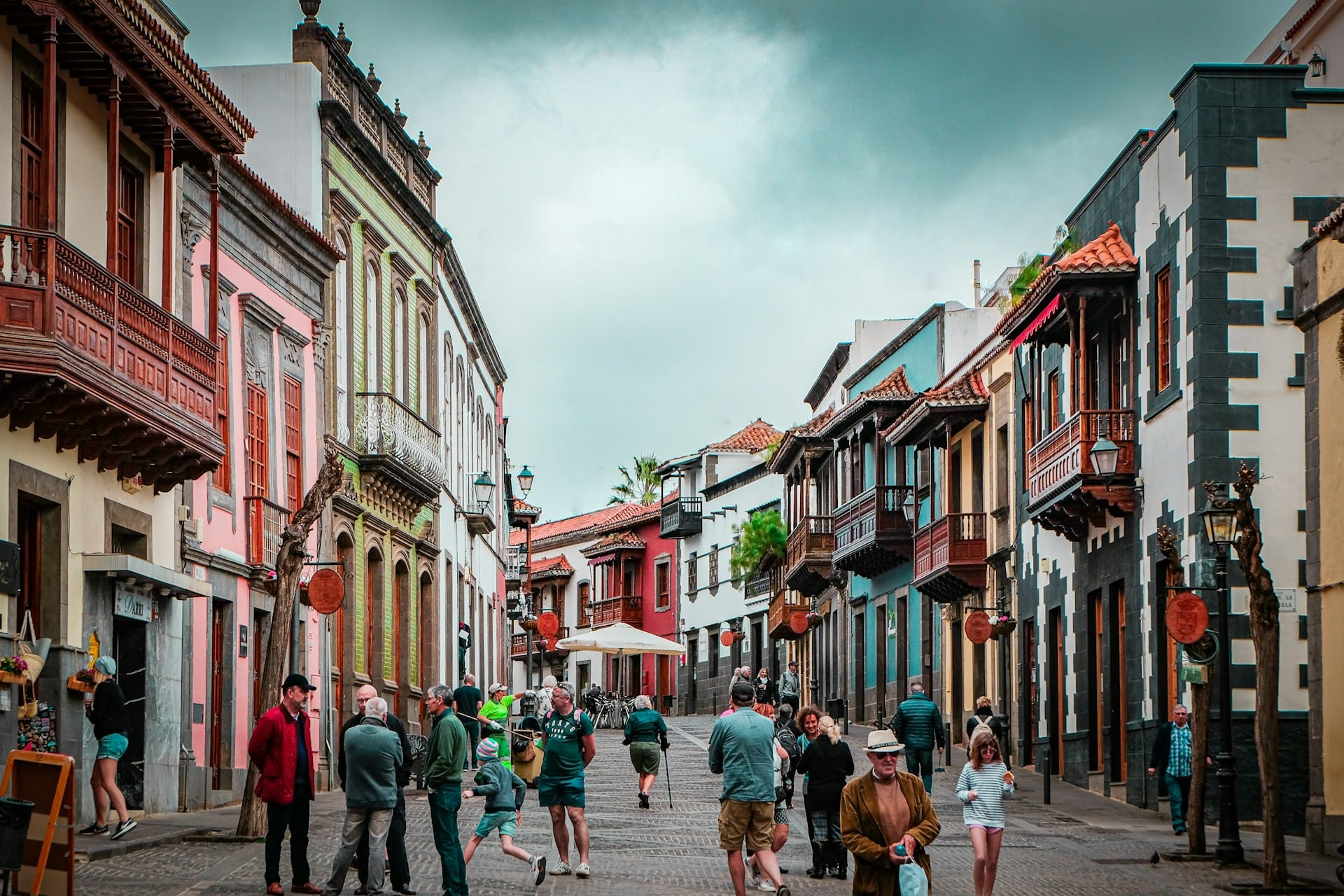
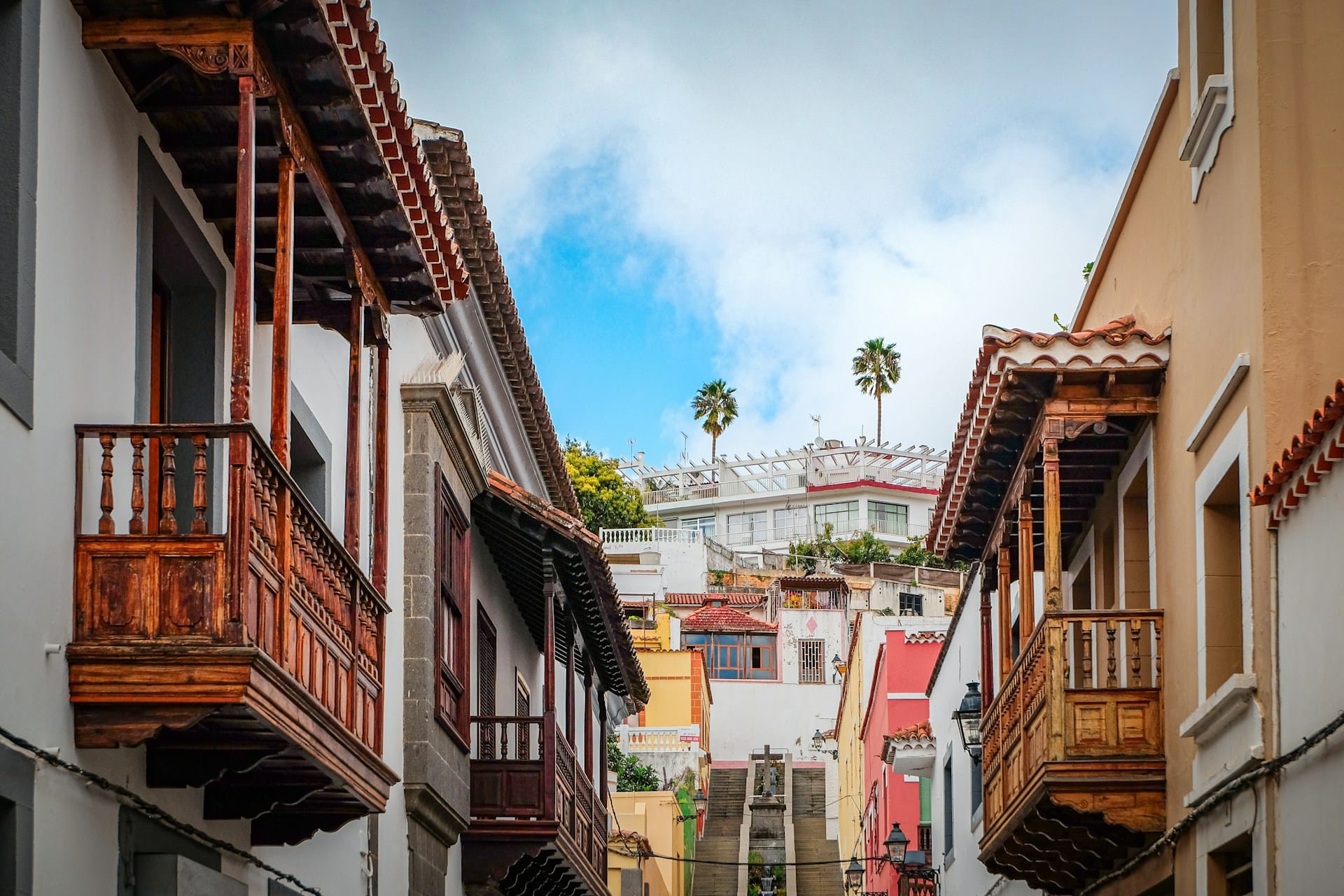
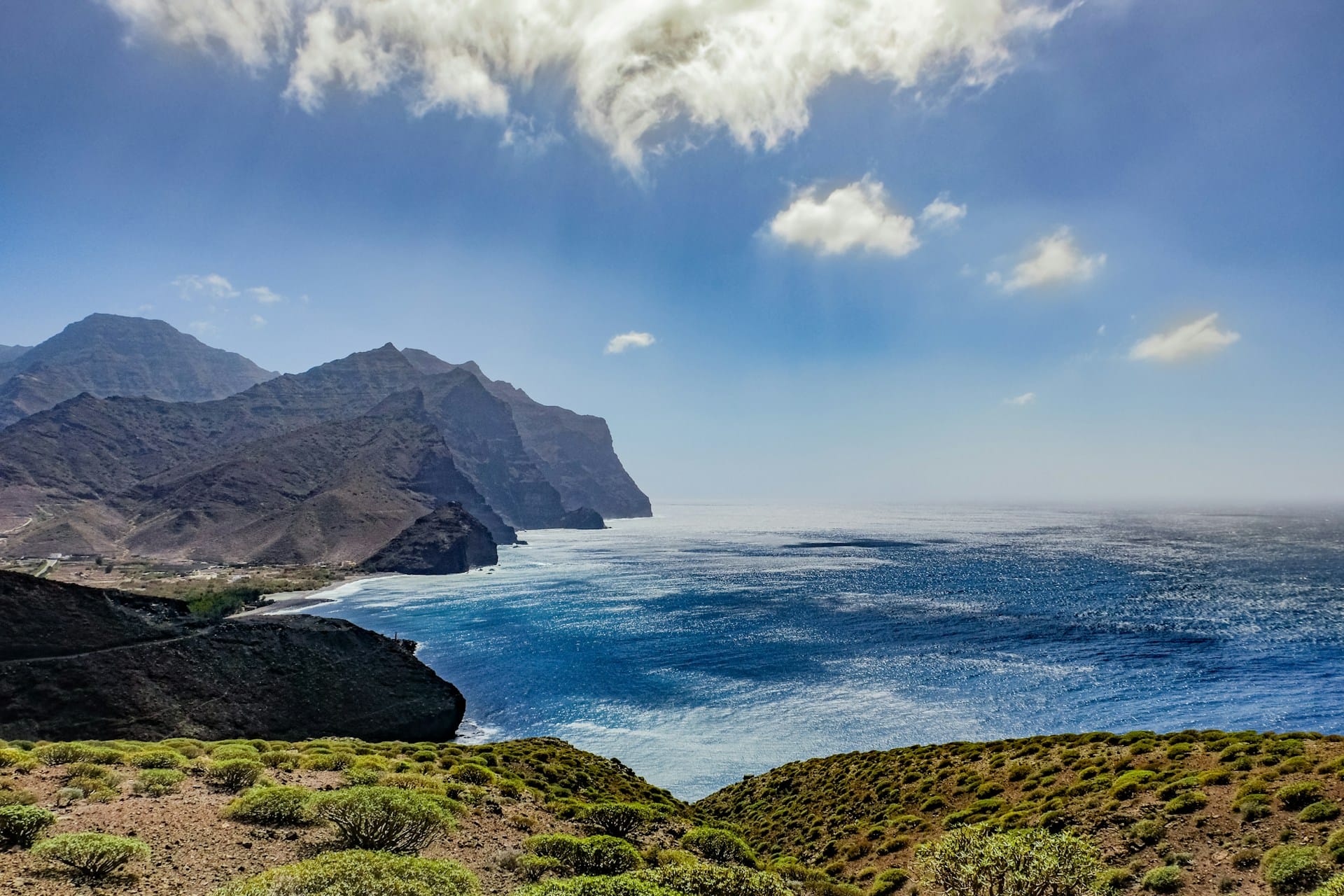
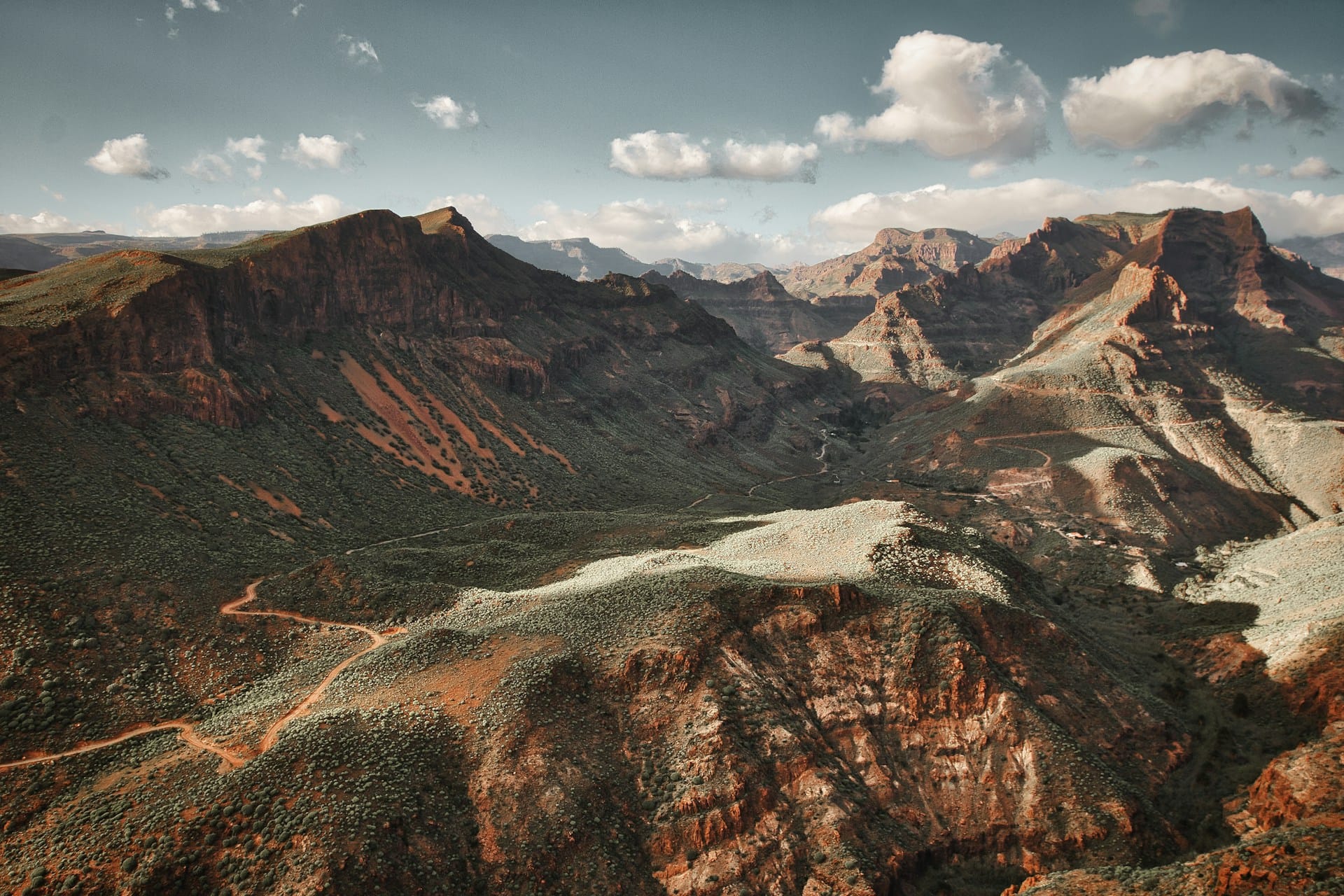
north-western coast of Africa and about 800 miles from Europe. Gran Canaria is the third largest island in the Canary Islands and is often described as a "continent in miniature" because it has so much variety to offer, due to the different climates and variety of landscapes found, with long beaches and dunes of golden sand and charming hidden coves of black sand, contrasting with green ravines and picturesque villages.
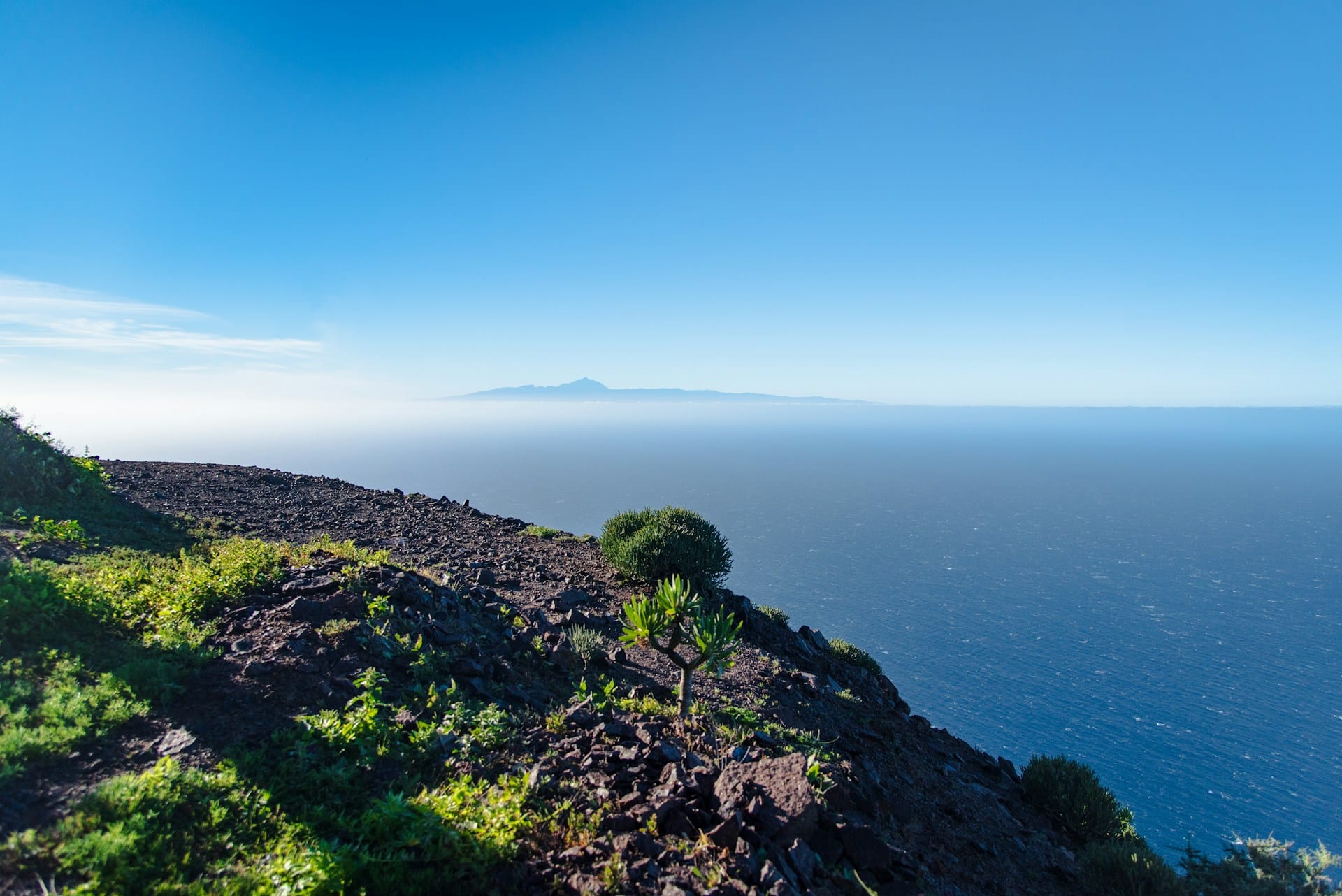
One of the main benefits of visiting this island are the great geographical sights. There are beautiful beaches, rock formations and even protected forests to visit. The western half of the island has been declared a UNESCO World Biosphere Reserve, and the island also has the second highest number of protected areas in the Canary Islands, with a total of 33.

Beaches
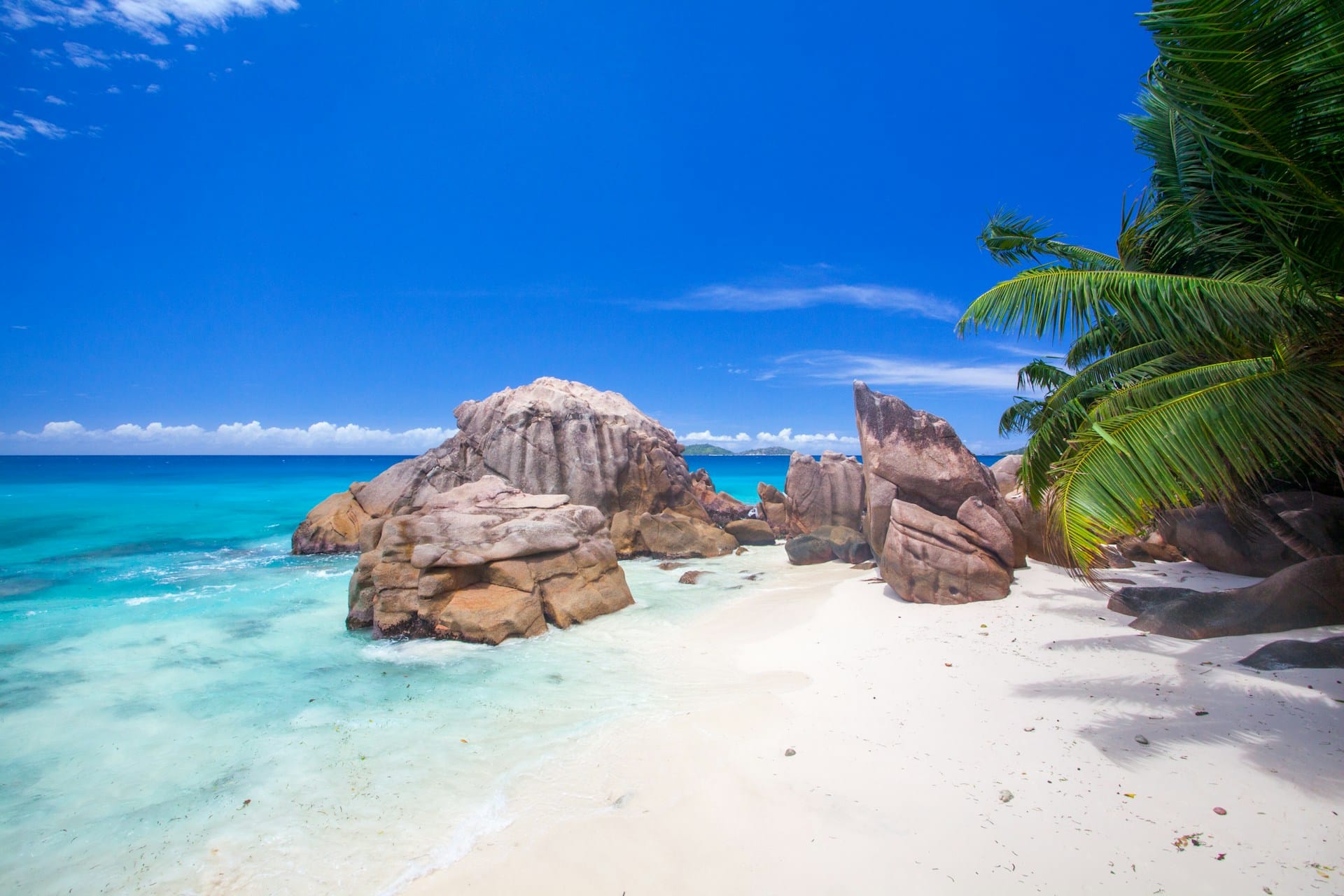
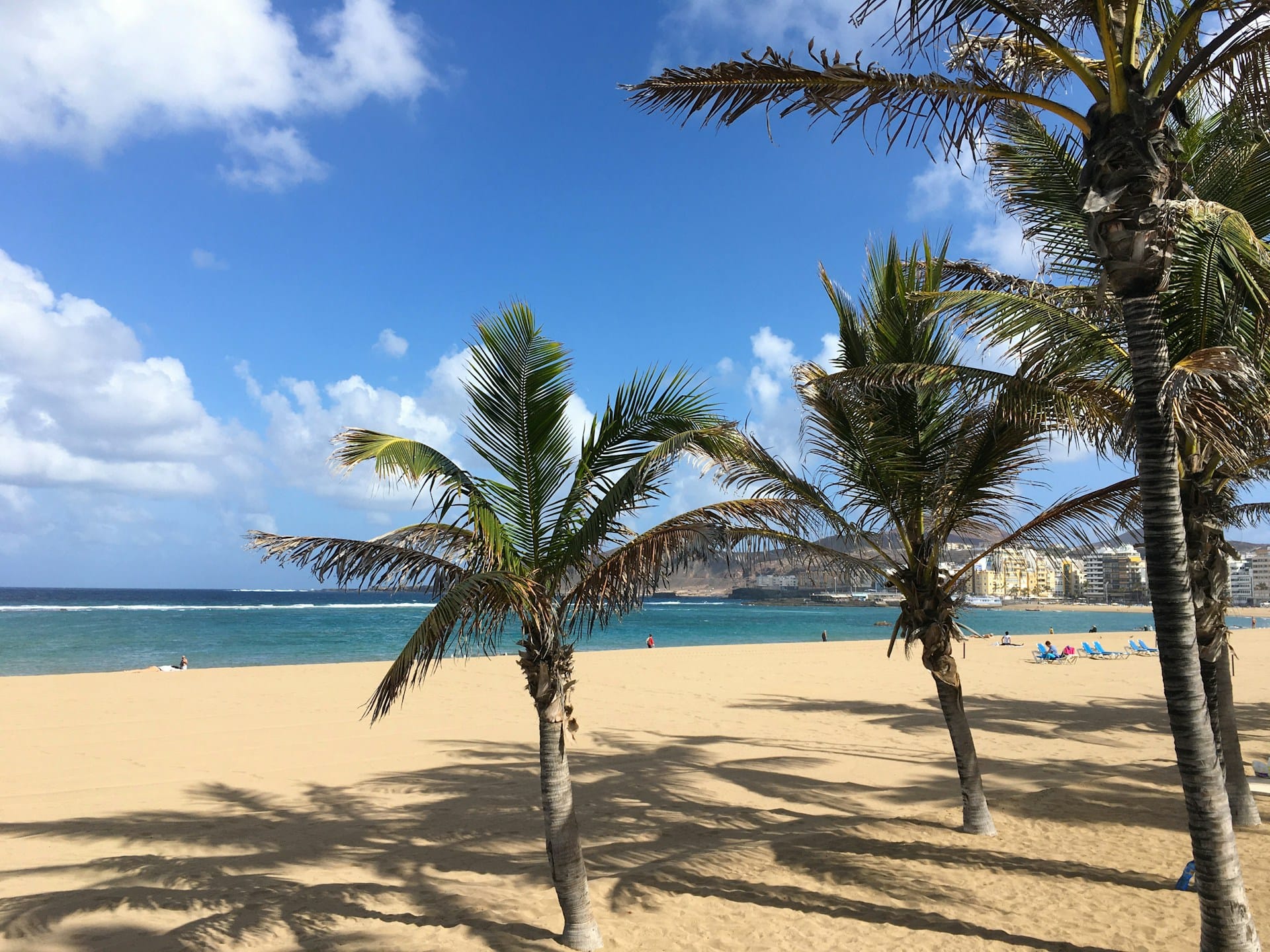
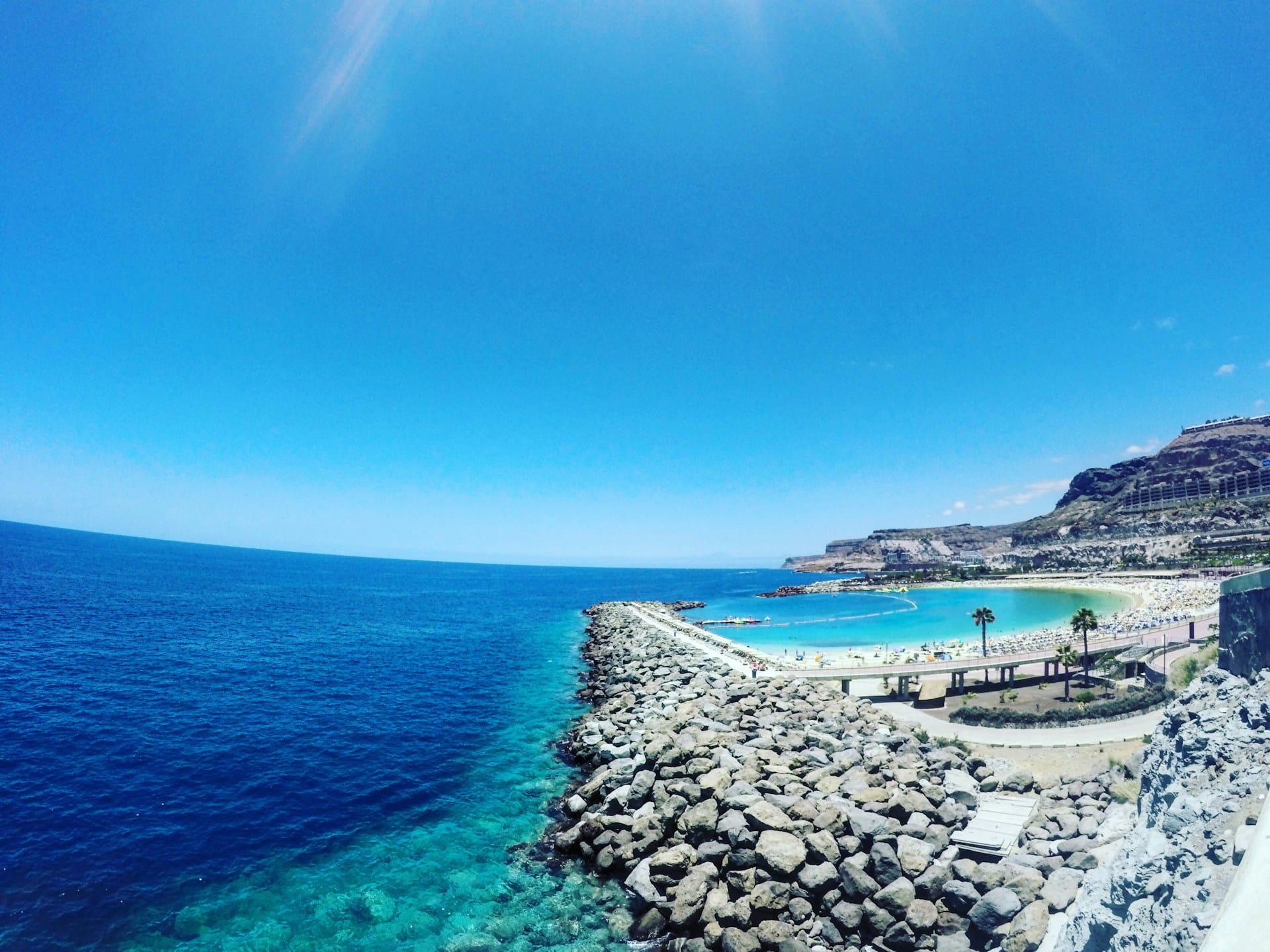
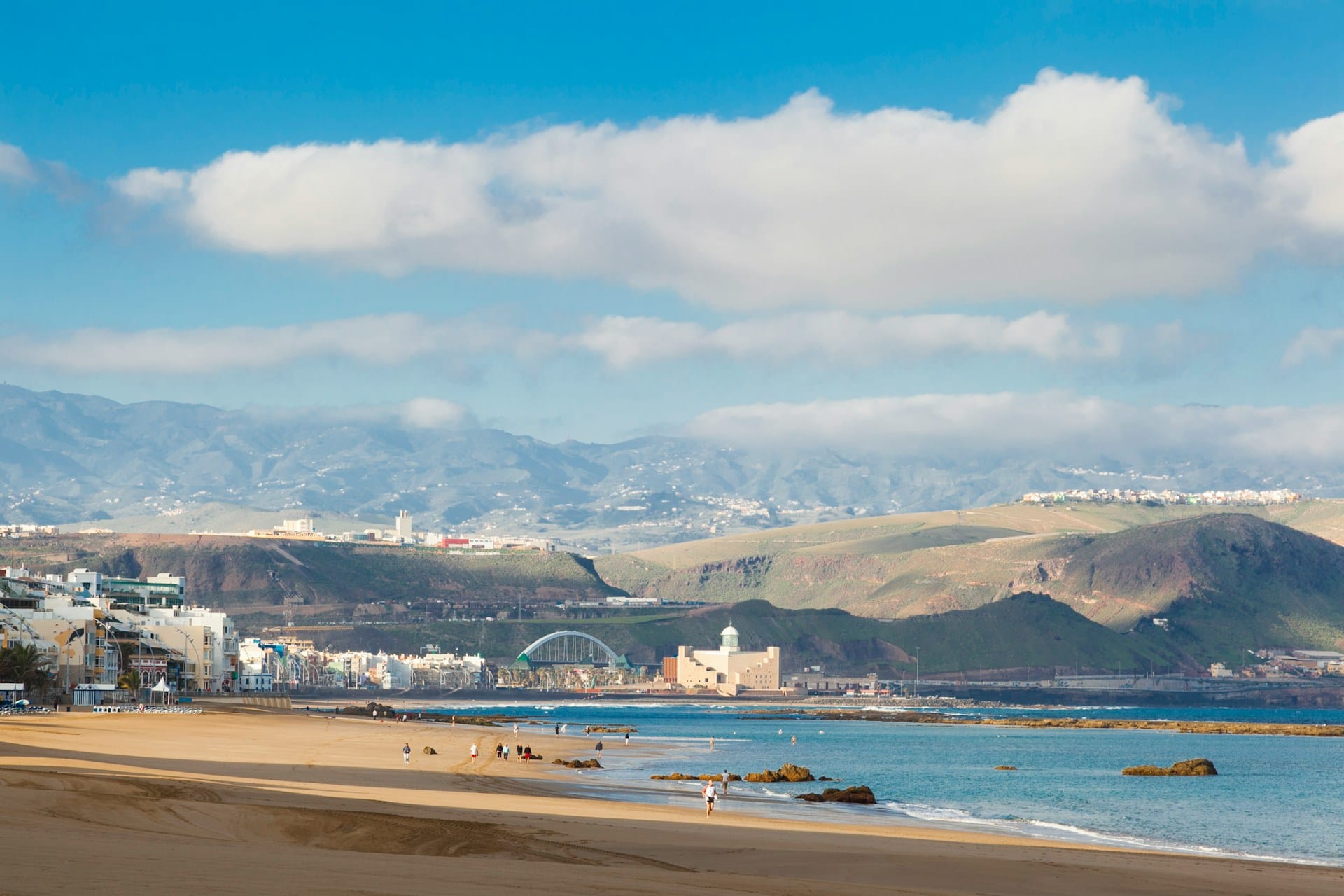
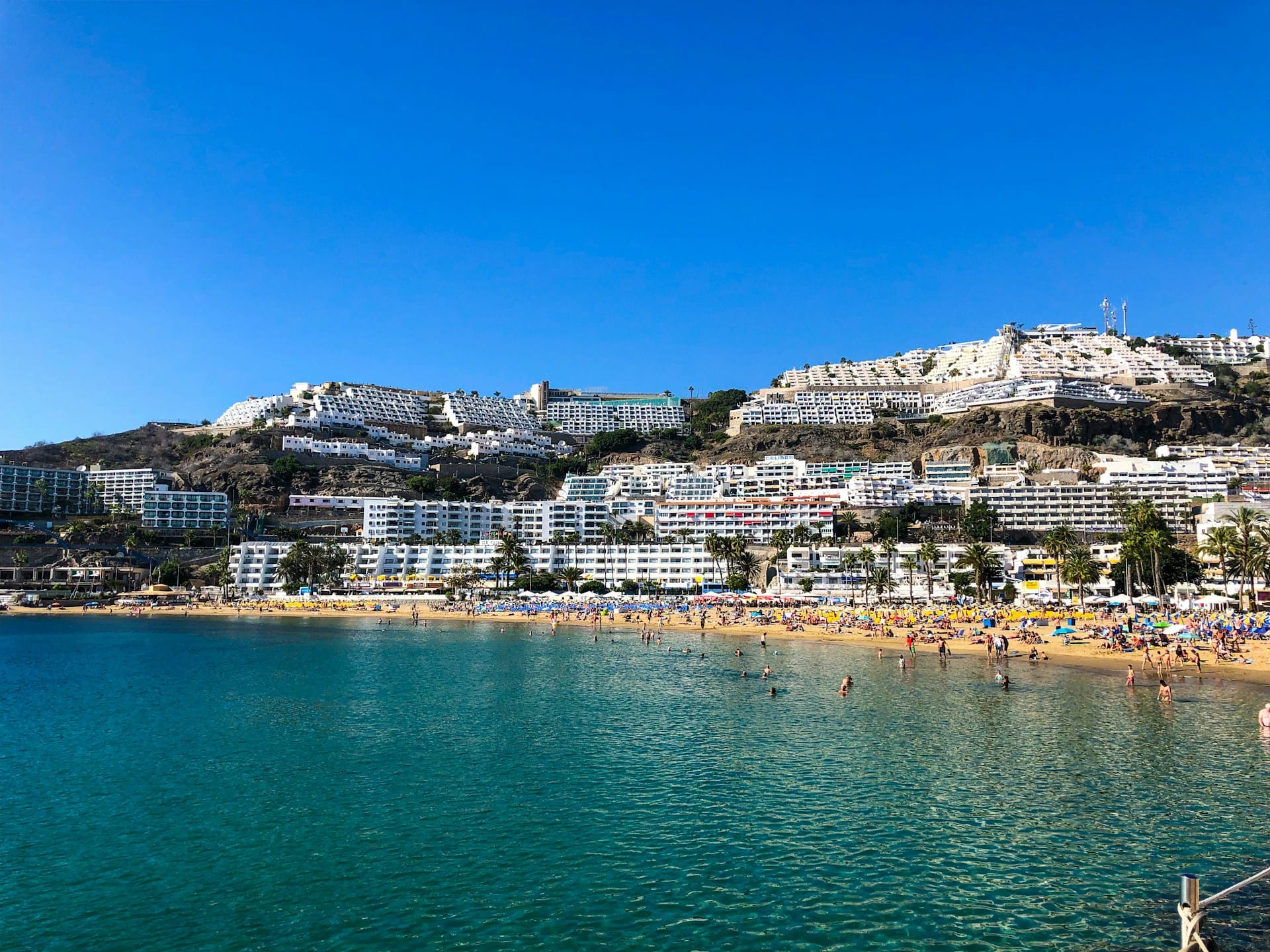
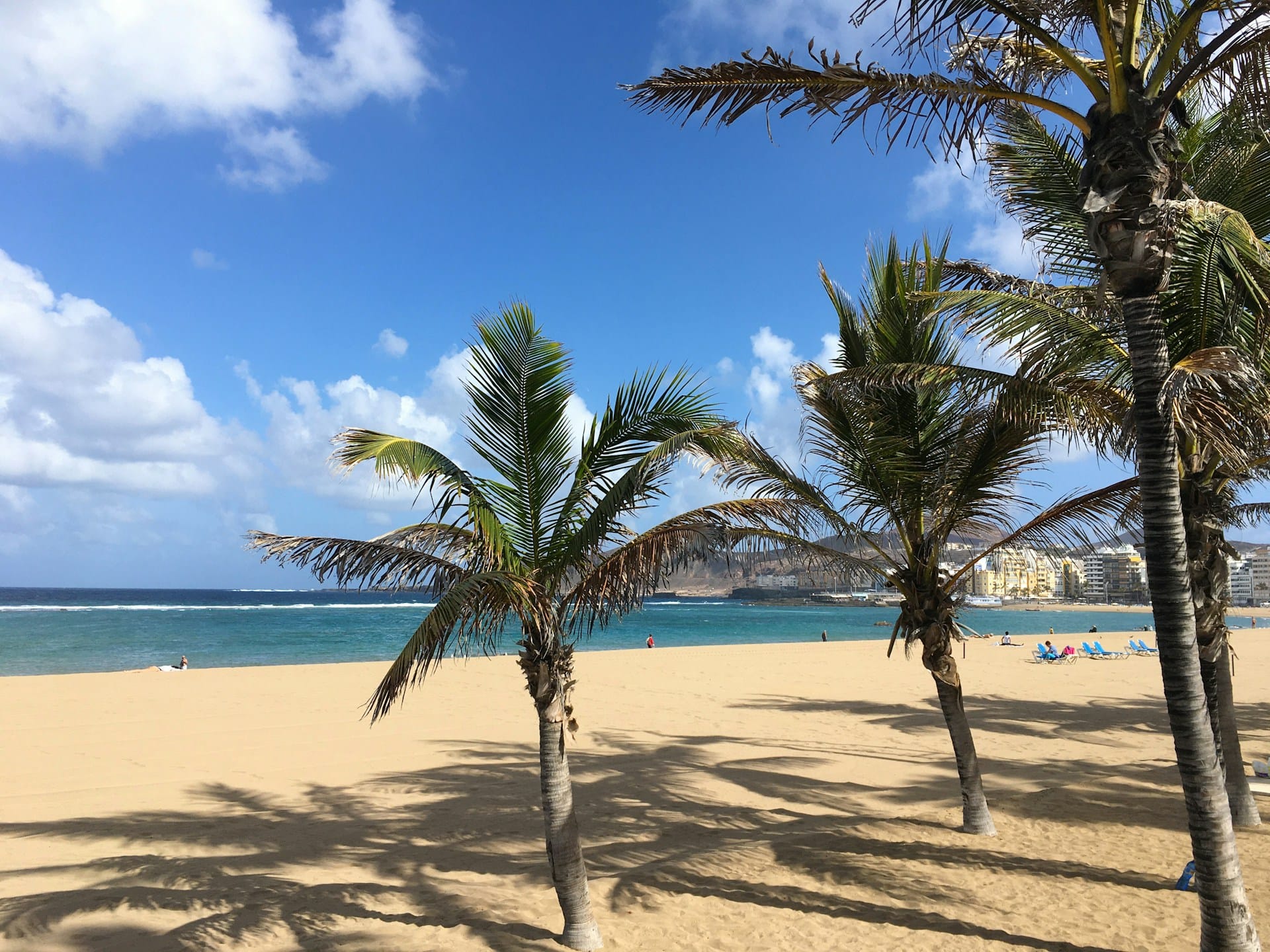
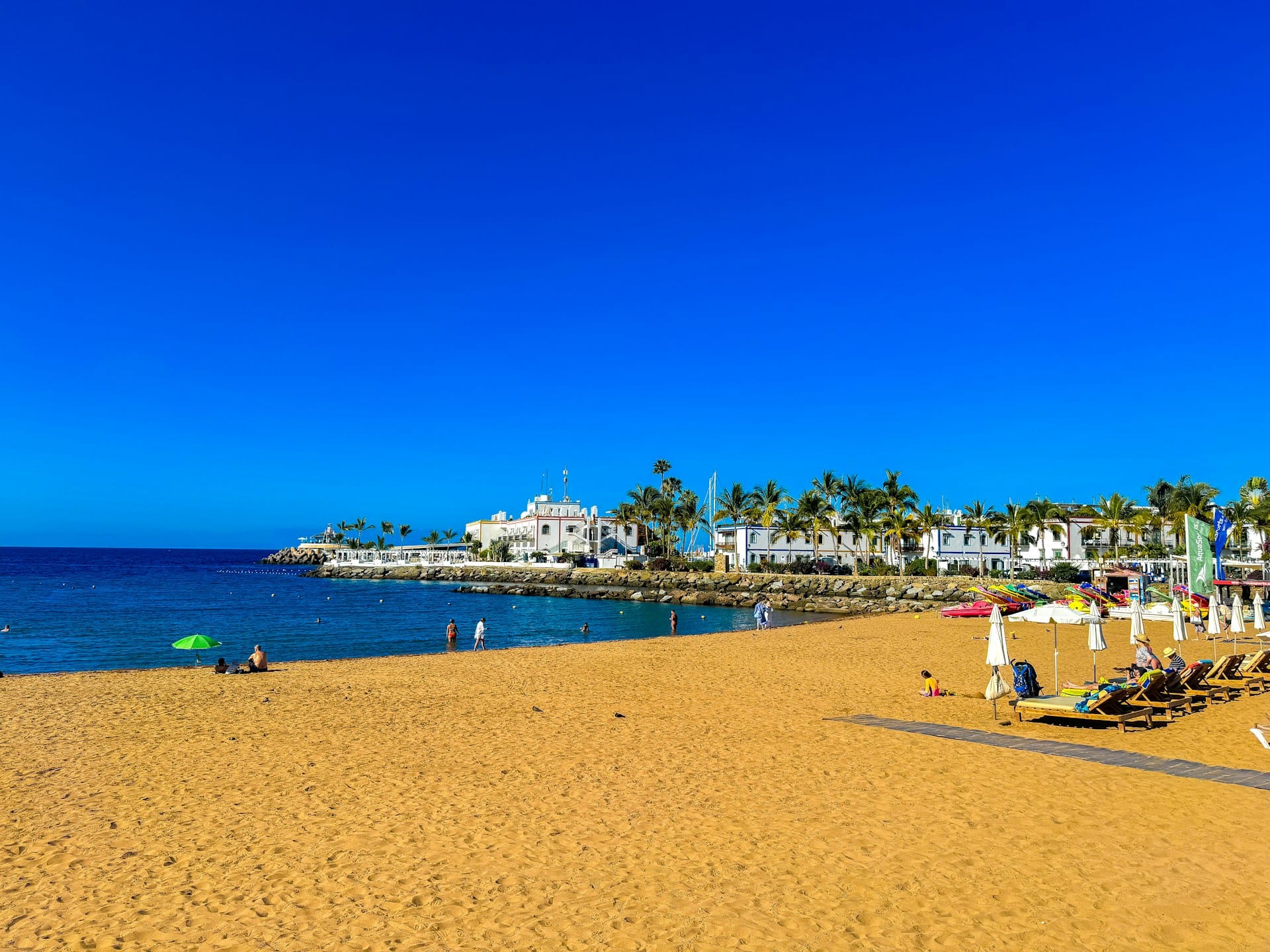
Gran Canaria is well known for its wide range of beaches which are dotted along its 236km coastline. Some of the most popular being the long stretch of sand of Maspalomas, a huge line of golden sand which stretches from Playa del Inglés to the foot of the great Maspalomas lighthouse, after bordering a dune desert on the island’s southern coastline, the sand dunes of Maspalomas are of golden sand that has blown over the sea from the Sahara desert. The south of the island also boasts long expanses of sand, with quiet family beaches such as San Agustín, Amadores, and the small Puerto de Mogán. If it is quiet, secluded spots you are after, the beaches on the north of the island fit this profile better, with small coves such as Agaete.
Shopping
Shopping in Gran Canaria is very popular as the goods are basically tax free, so items such as alcohol, cigarettes perfume and electric goods are significantly cheaper. Los Palmas is the best city for shopping; however Santa Catalina offers large department stores with specialised shops and lots of boutiques.
What to eat
The local cuisine is typical of the Canary Islands. Mojo means sauce. The most common varieties are:
- mojo picn (hot, spicy) made from red chillis,
- mojo verde (green) made either from green pepper or coriander (cilantro),
- mojo hervido (boiled) made from spices and lemon.
Papas arrugadas ("wrinkly potatoes") are cooked unpeeled in salt water then baked dry. Customarily served with a mojo sauce!