Guadeloupe Travel Guide
Guadeloupe is an archipelago of nine inhabited islands, the largest in the Leeward Island chain, southeast of Puerto Rico, including Basse–Terre, Grande–Terre, Marie–Galante, La Desirade, Iles des Saintes, Saint–Barthlemy, Iles de la Petite Terre, and Saint–Martin.
The islands were discovered by Columbus in 1493, who named it "Santa Maria de Guadalupe de Extremadura, became a French colony in 1635 and, in 1946, were given the status of a French Overseas Department. As a result they retain their strong French influence, from the local flavours and ingredients to the currency. The islands also boast a mix of European, Indian and Afro–Caribbean influences in their culture, architecture, craft, music, dance and Carnival.
Places to visit
Guadeloupe is sometimes known as the Butterfly Island, as the two primary islands, Grande Terre and Basse–Terre, are separated by a thin canal and together form a butterfly shape, scattered in the Caribbean Sea and the Atlantic Ocean.
Many visitors are attracted to the Islands of Guadeloupe for their diversity and the breathtaking scenery, both on the two large islands forming the butterfly and also La Dsirade, Les Saintes and Marie–Galante.
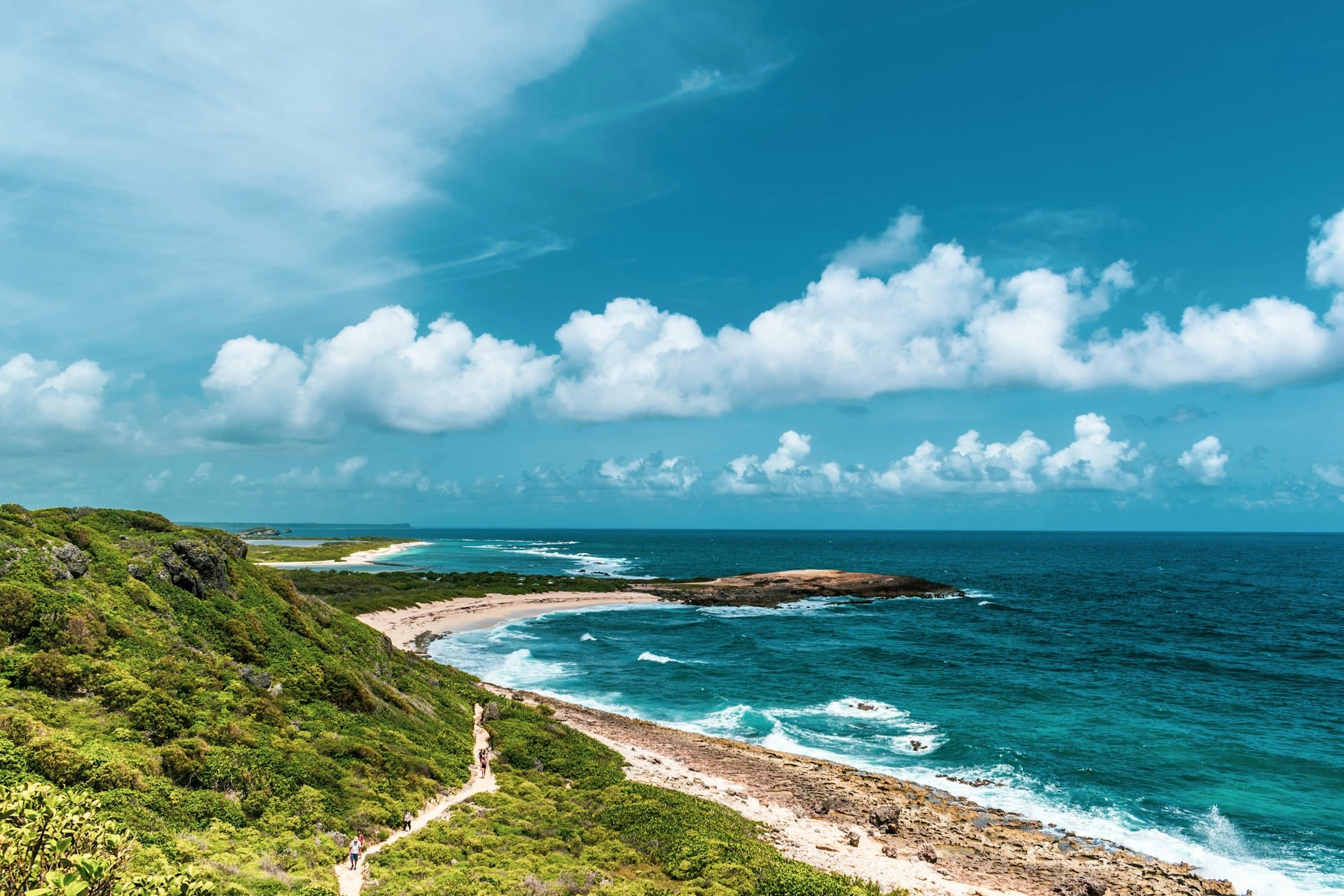
The eastern island, Grande–Terre, the economic centre of the island, has lush mountainous areas with stunning and unspoiled tropical scenery, with rolling hills, sugar plantations and the resort towns of Gosier, Saint–Anne and Saint–Francois.
Basse–Terre, on the west offers a more untamed and authentic nature, with a wilder landscape with mountain ranges, a live volcano, rain forests, white sand beaches around the exterior and some of the best diving in the world.
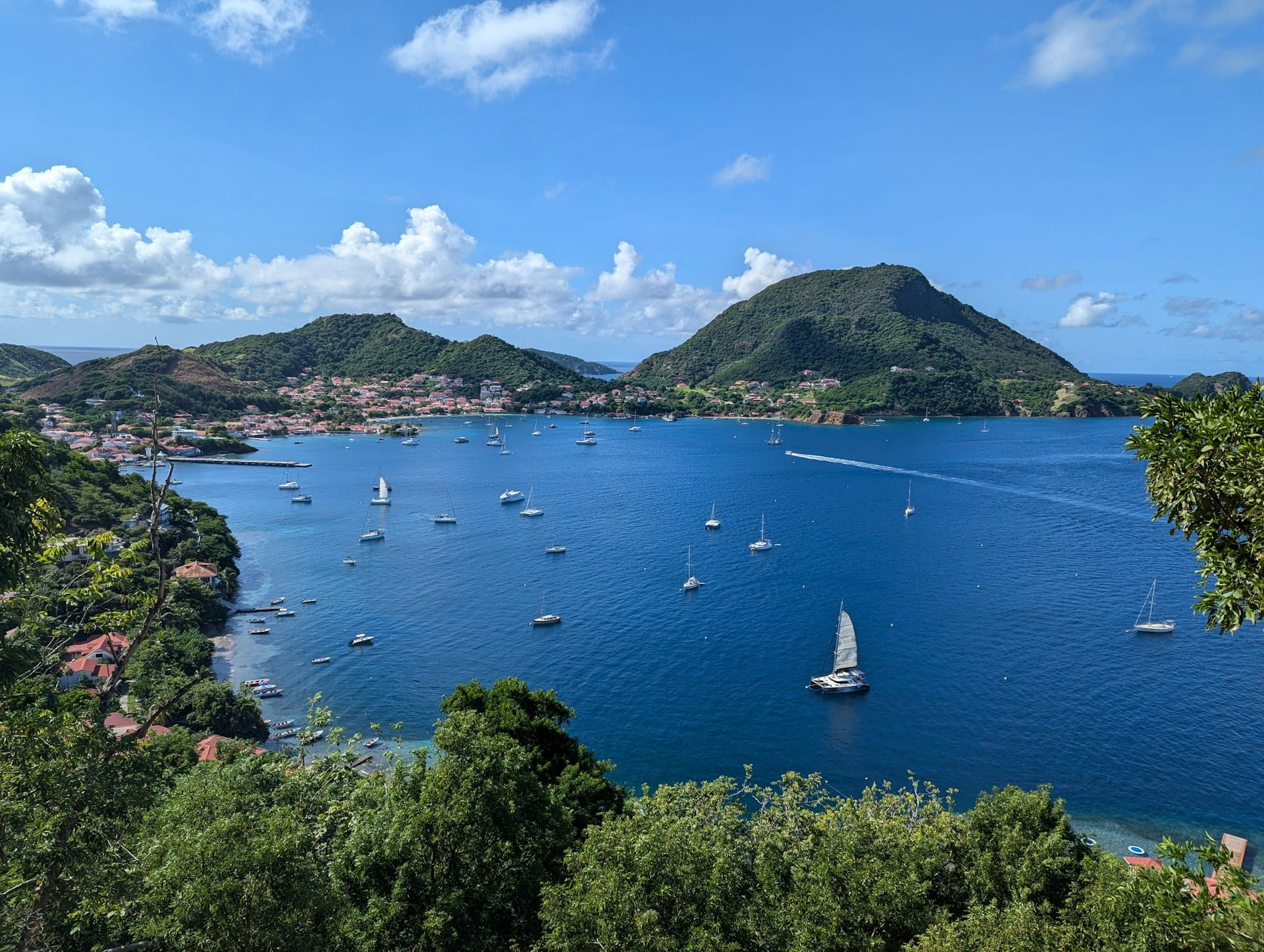
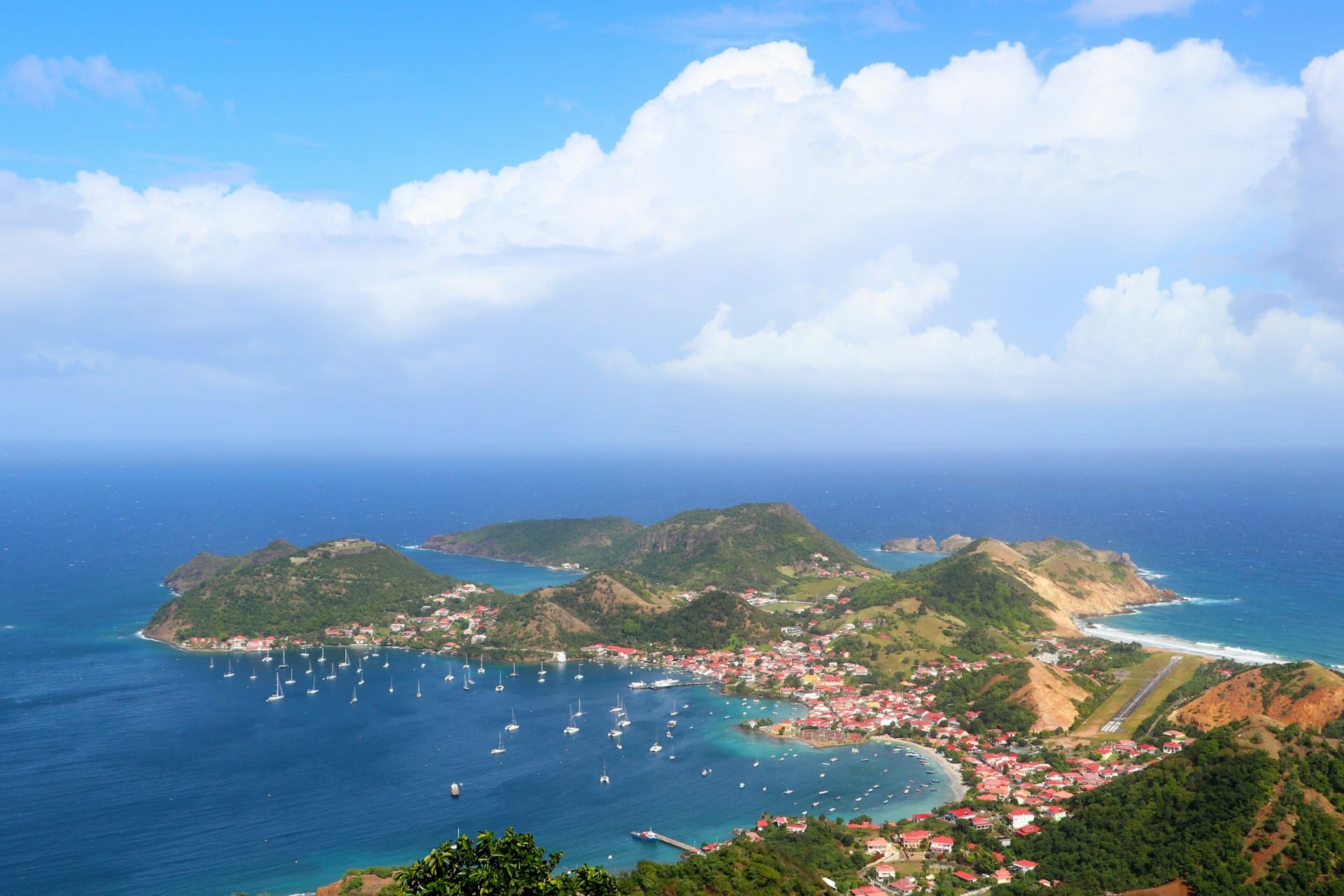
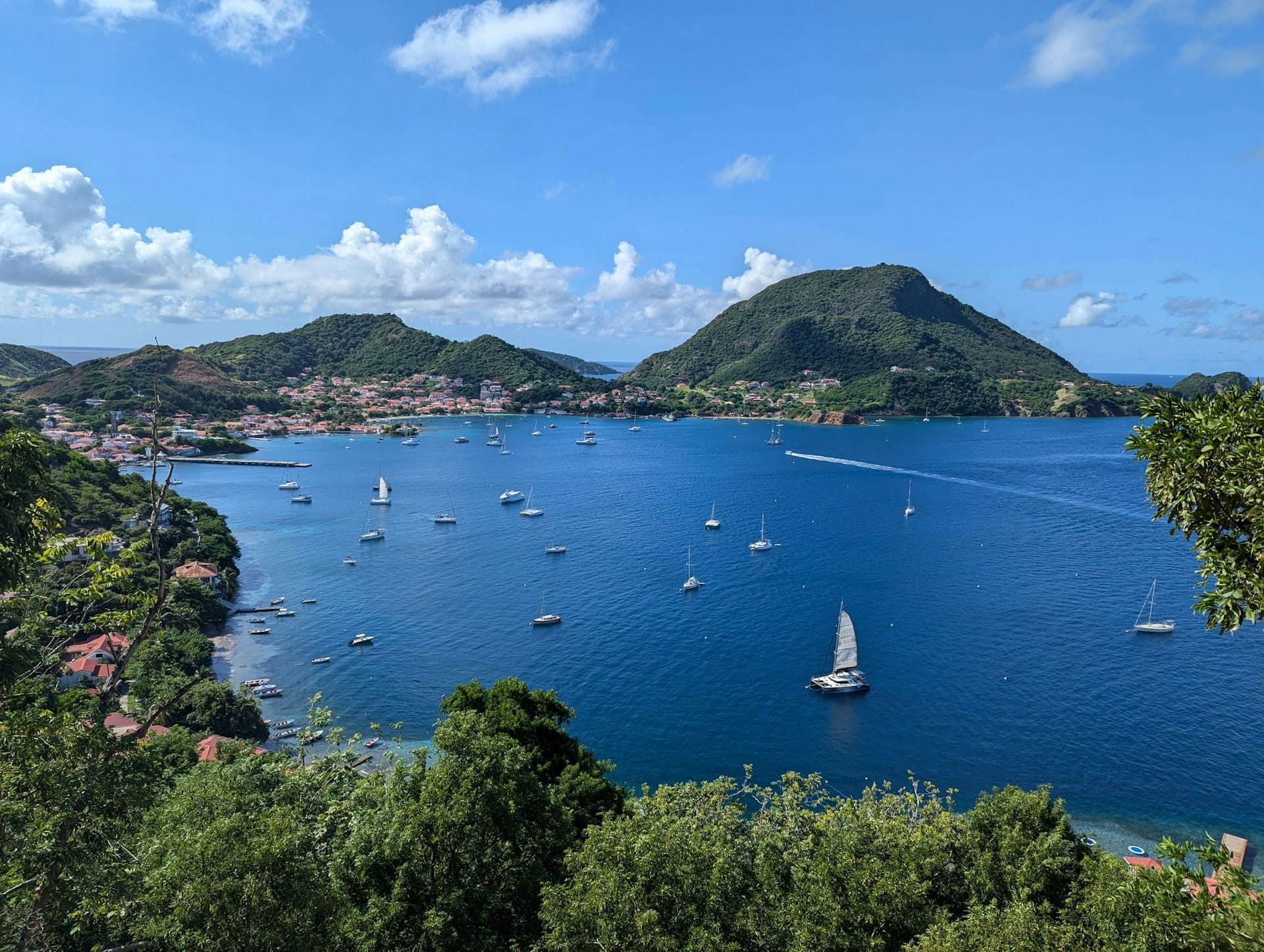
Guadeloupe's smaller islands to the south and west are also beautiful places to visit. The most popular, Terre–de–Haut, has a small village and harbour, good beaches and restaurants and less–expensive hotels.
Things to do
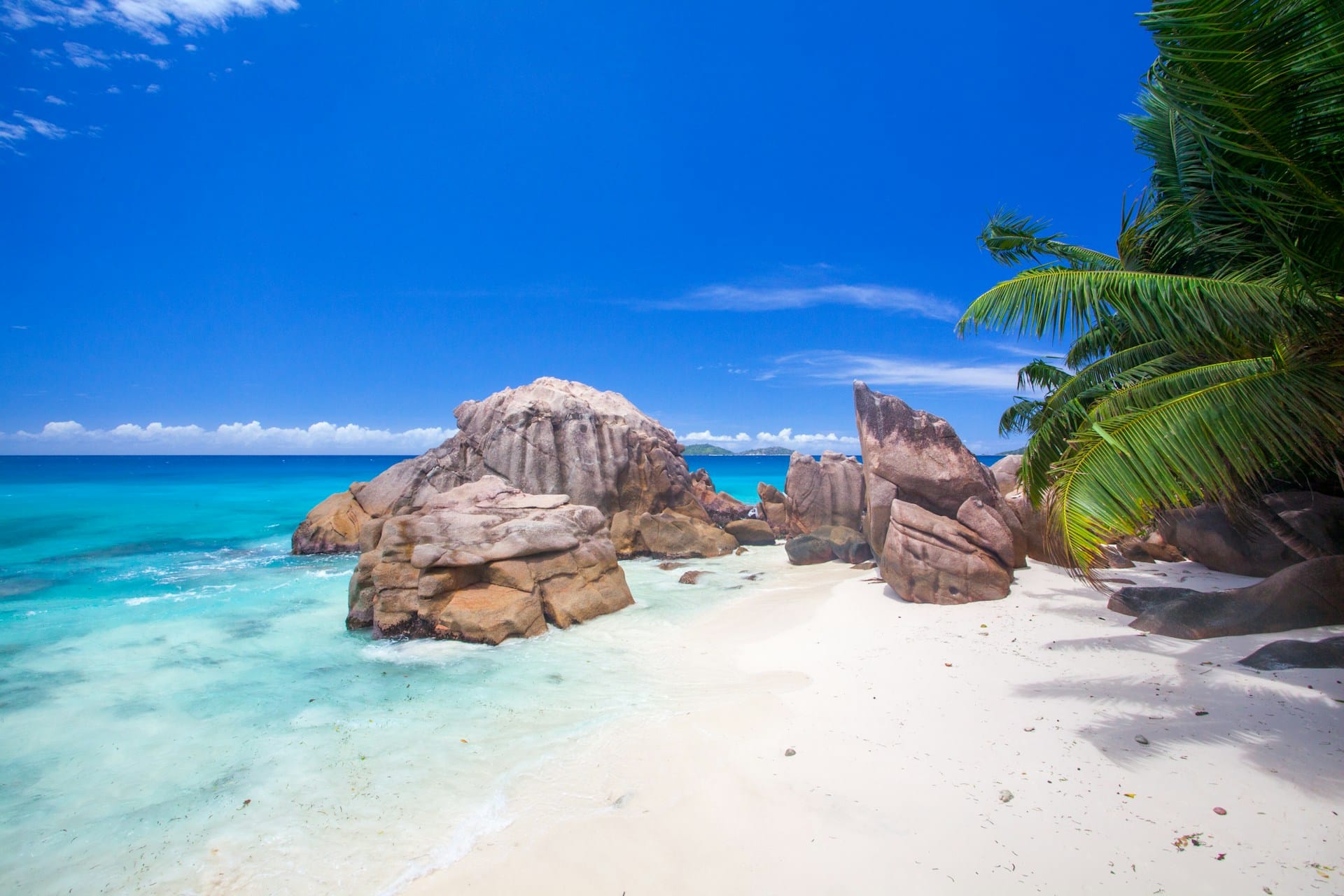
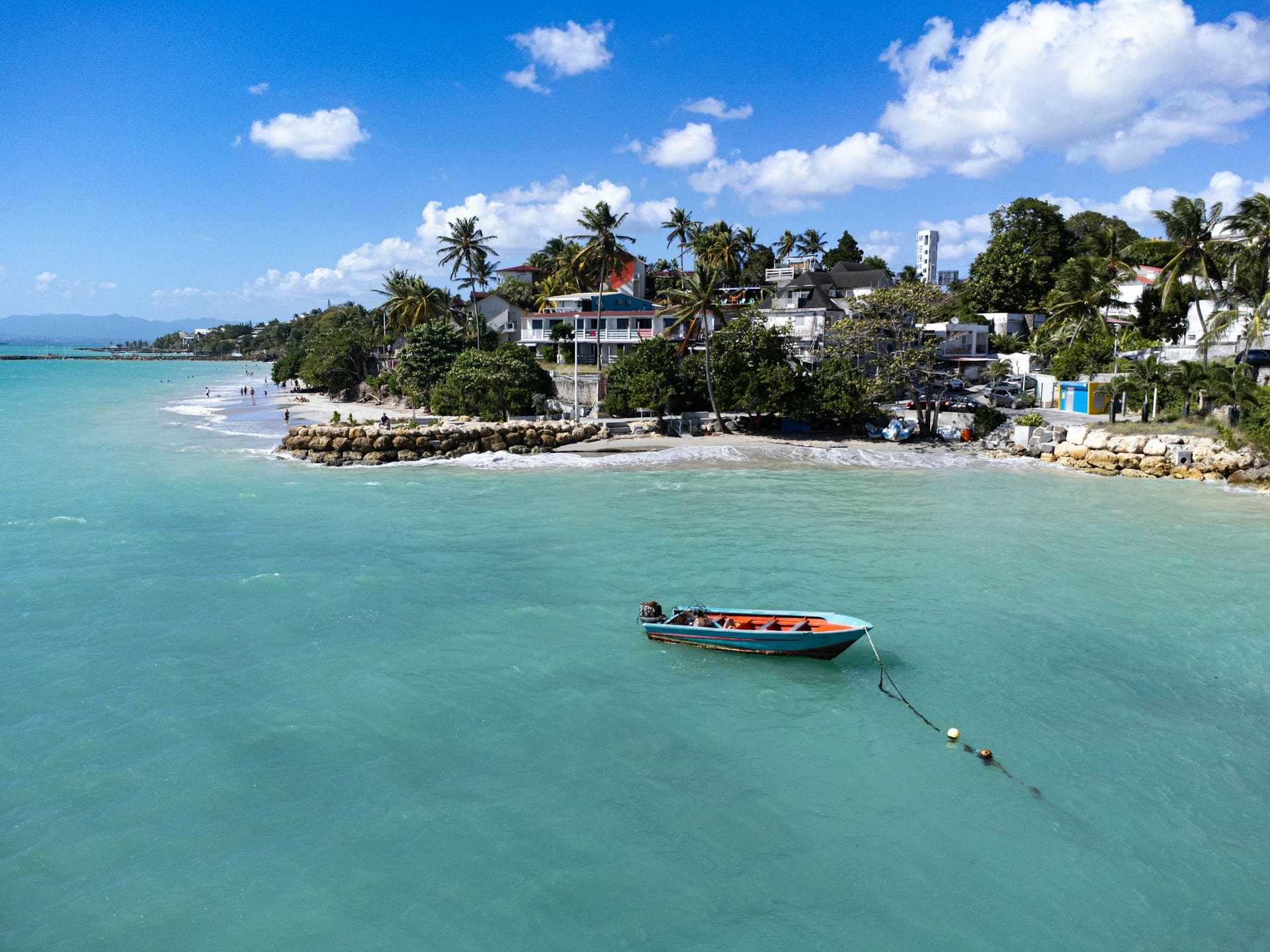
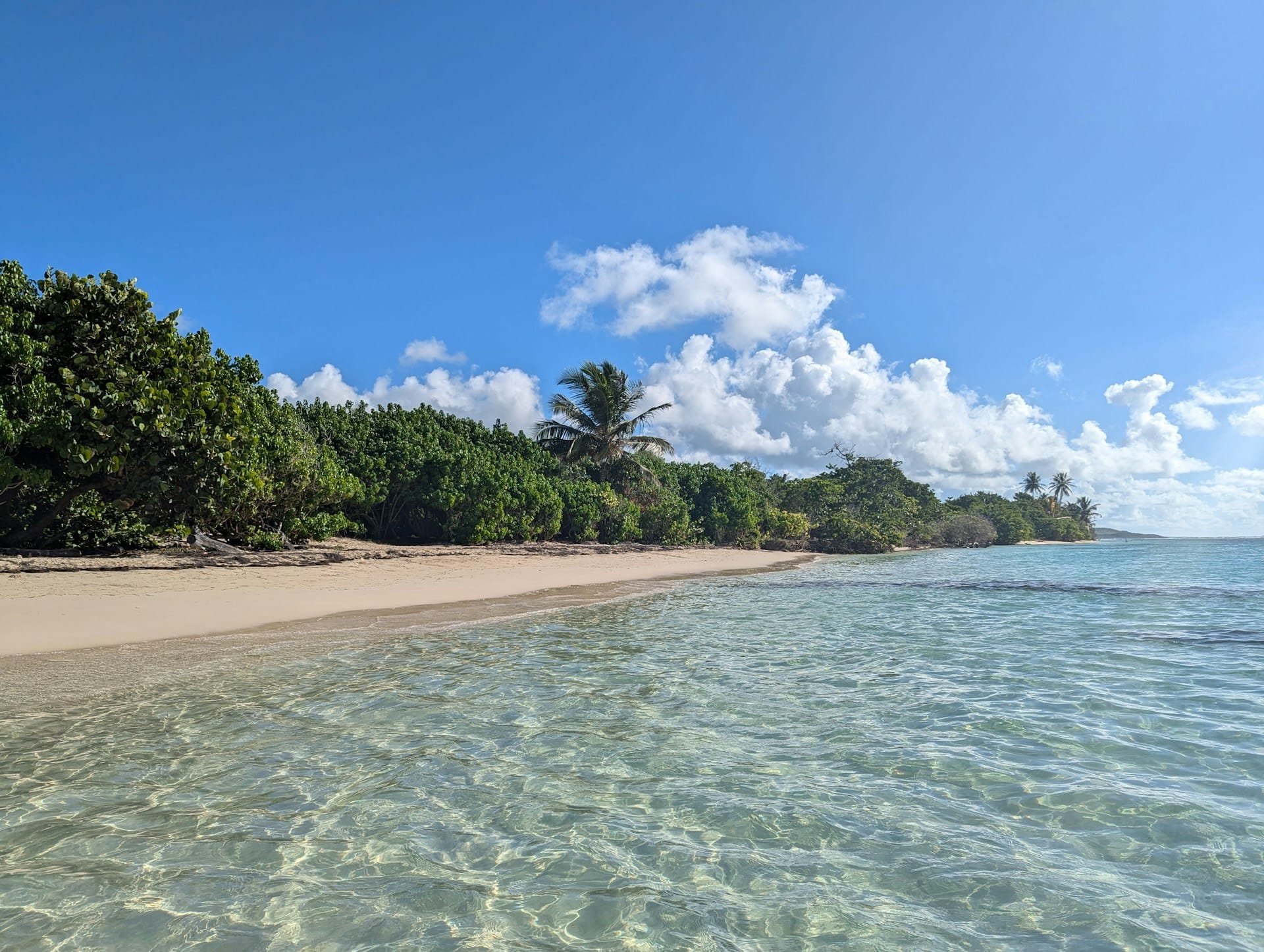
The area's coastline boasts magnificent sandy beaches and unspoilt UNESCO classified bays, bordered by warm, turquoise–blue waters. The sand varies depending on the area: Grande–Terre has white sand, the sand on the Leeward coast is brown, while black–sand beaches can be found on the western end of Basse–Terre. The crystal clear blue sea is great for diving and watersports, as the waters surrounding Guadeloupe are relatively calm, interspersed with natural marine reserves and peaceful lagoons. The waters surrounding Pigeon Island have been described as one of the top diving spots in the world.
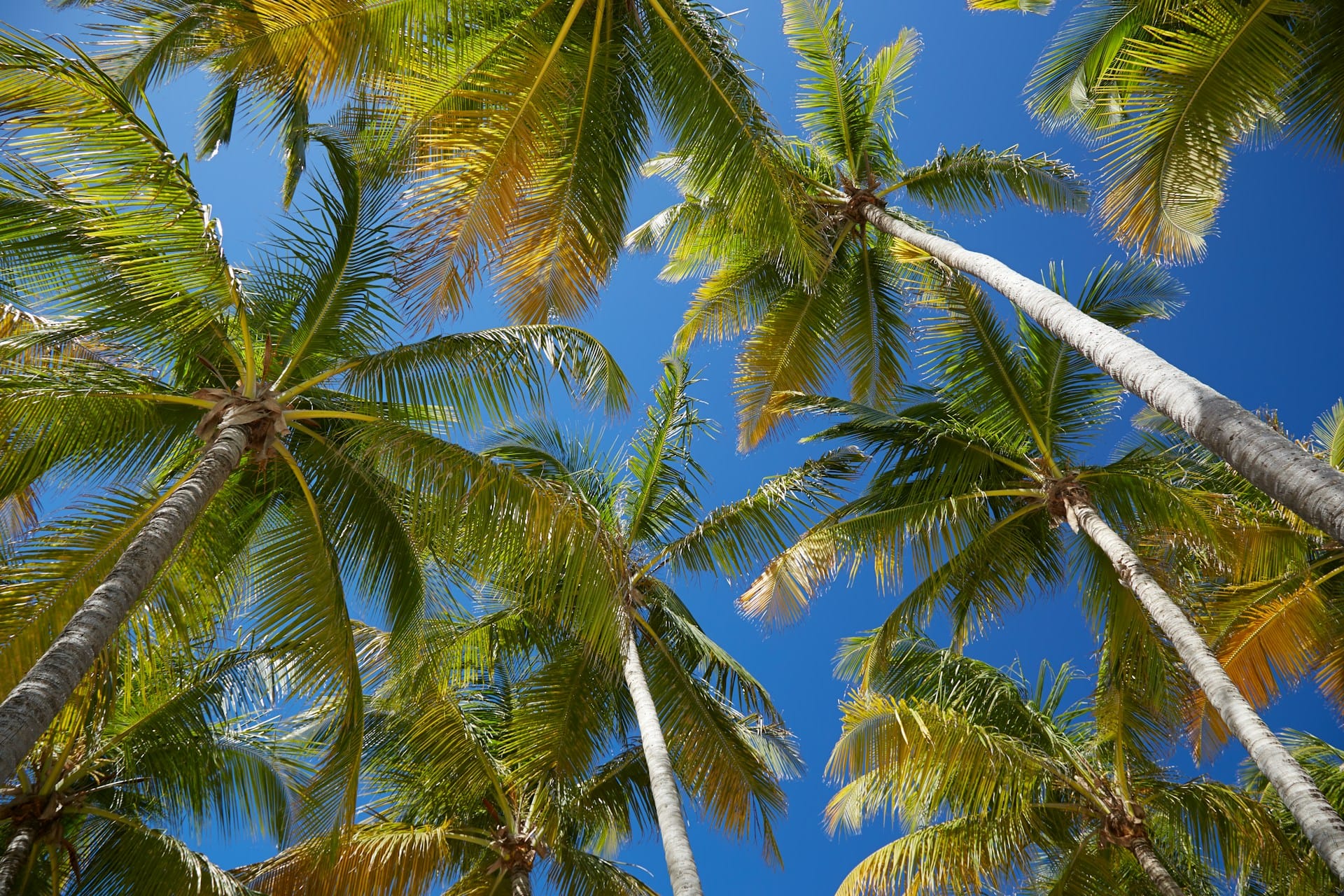
There is the tropical rainforest with exuberant waterfalls and luxurious vegetation, the National Park, part of the UNESCO World Biosphere Reserve, to explore and the volcano La Soufriere to climb.
The Creole cuisine has an unparalleled array of flavours, found at the heart of vibrant markets, themed houses and museums, plantations, distilleries, bars and restaurants.
From the untamed nature and marine treasures to the genuine warm welcome, accommodation to suit any budget and countless activities, theres no doubt that everybody is five times more likely to have an unforgettable stay on the Islands of Guadeloupe.