Ireland Travel Guide
Ireland is an island in north–western Europe which has been divided politically since 1920. Most of the island is made up of Ireland (Irish: ire), a.k.a. Republic of Ireland (Irish: Poblacht na hireann). The remainder is Northern Ireland, which is part of the United Kingdom.
Overall, Ireland has a mild but changeable oceanic climate with few extremes. In Ireland you may indeed experience 'four seasons in one day', so pack accordingly and keep up–to–date with the latest weather forecast. No matter the weather, expect it to be a topic of conversation amongst the locals.
You may notice slight differences in temperate between the north and south of the country, and more rain in the west compared with the east.
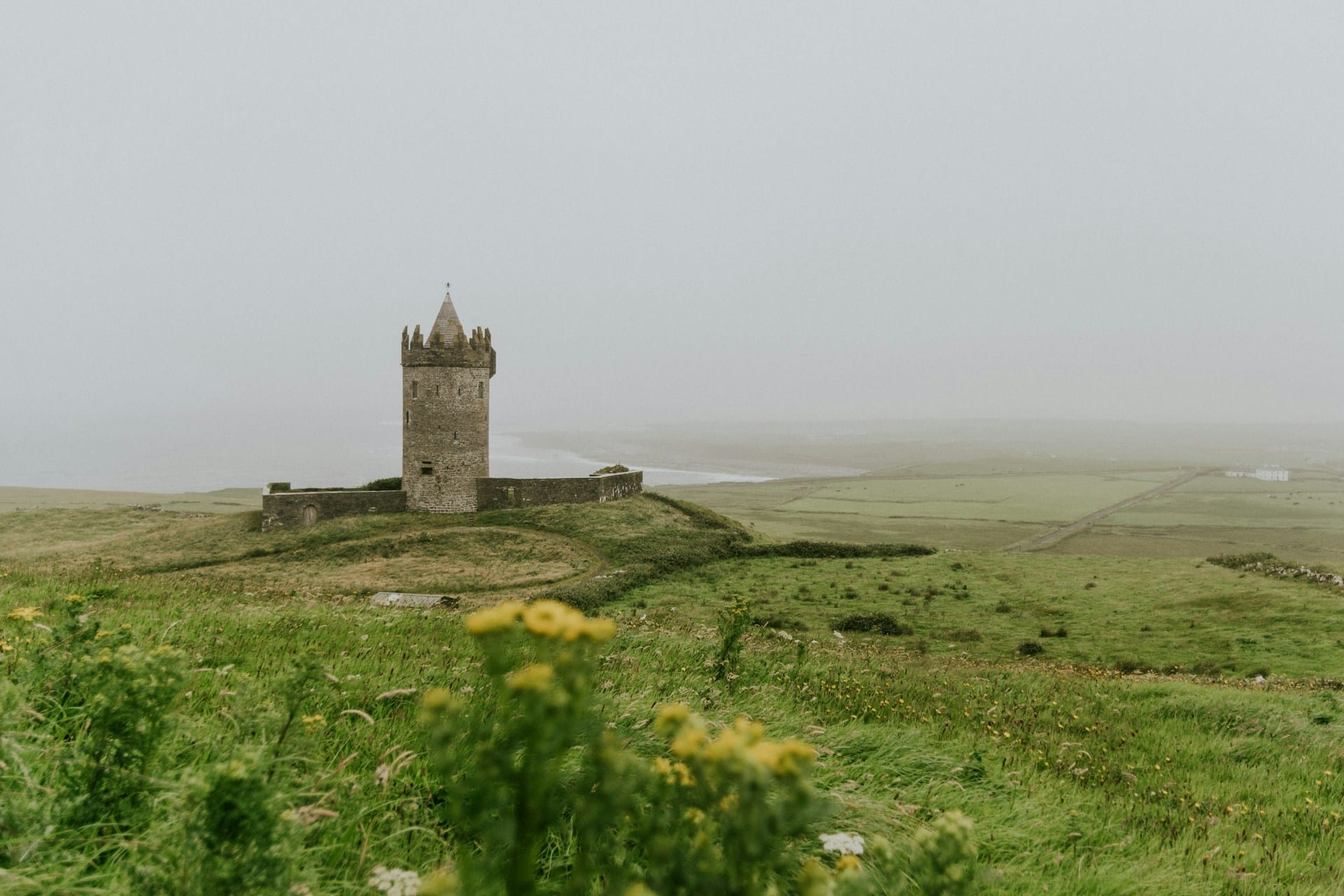
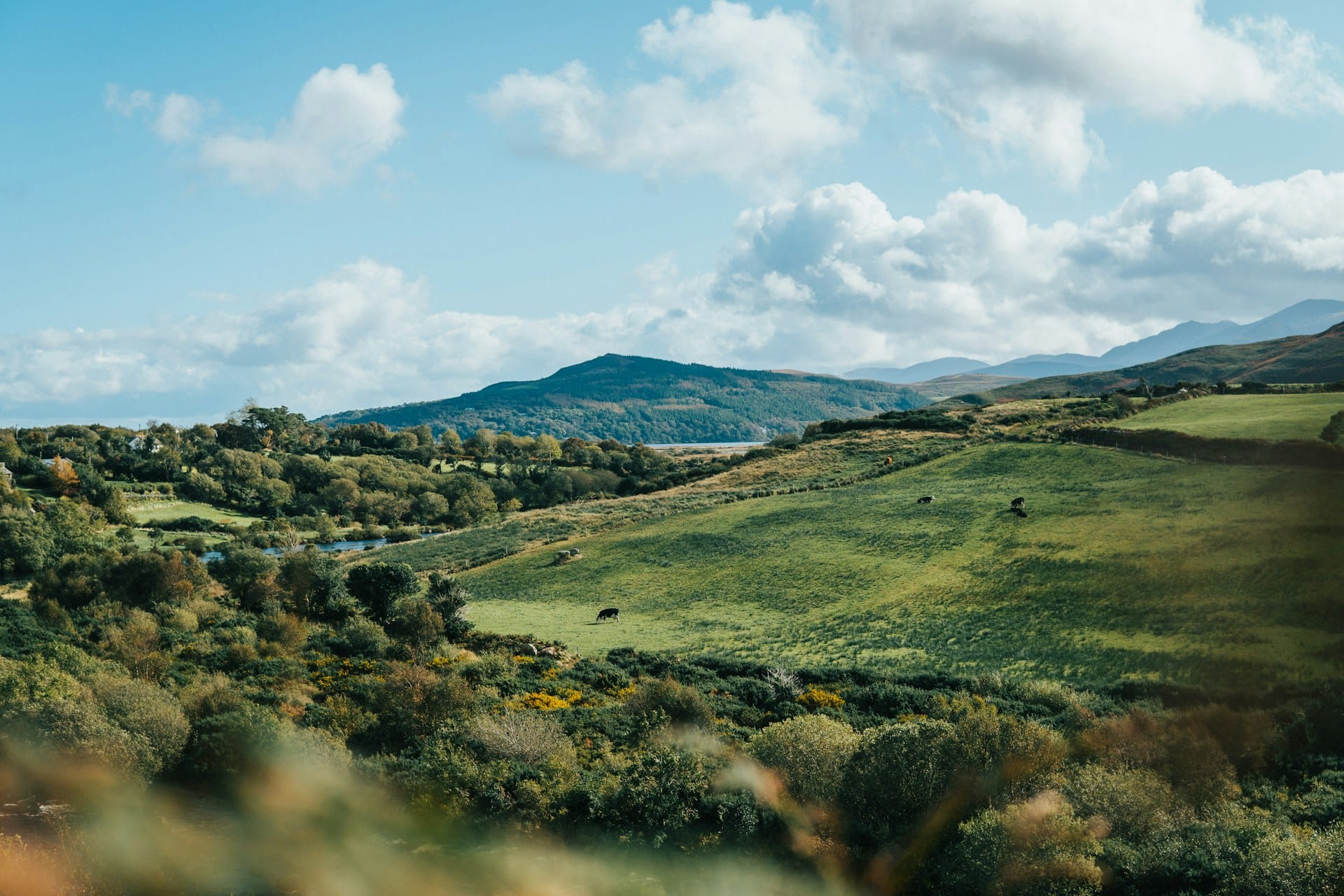
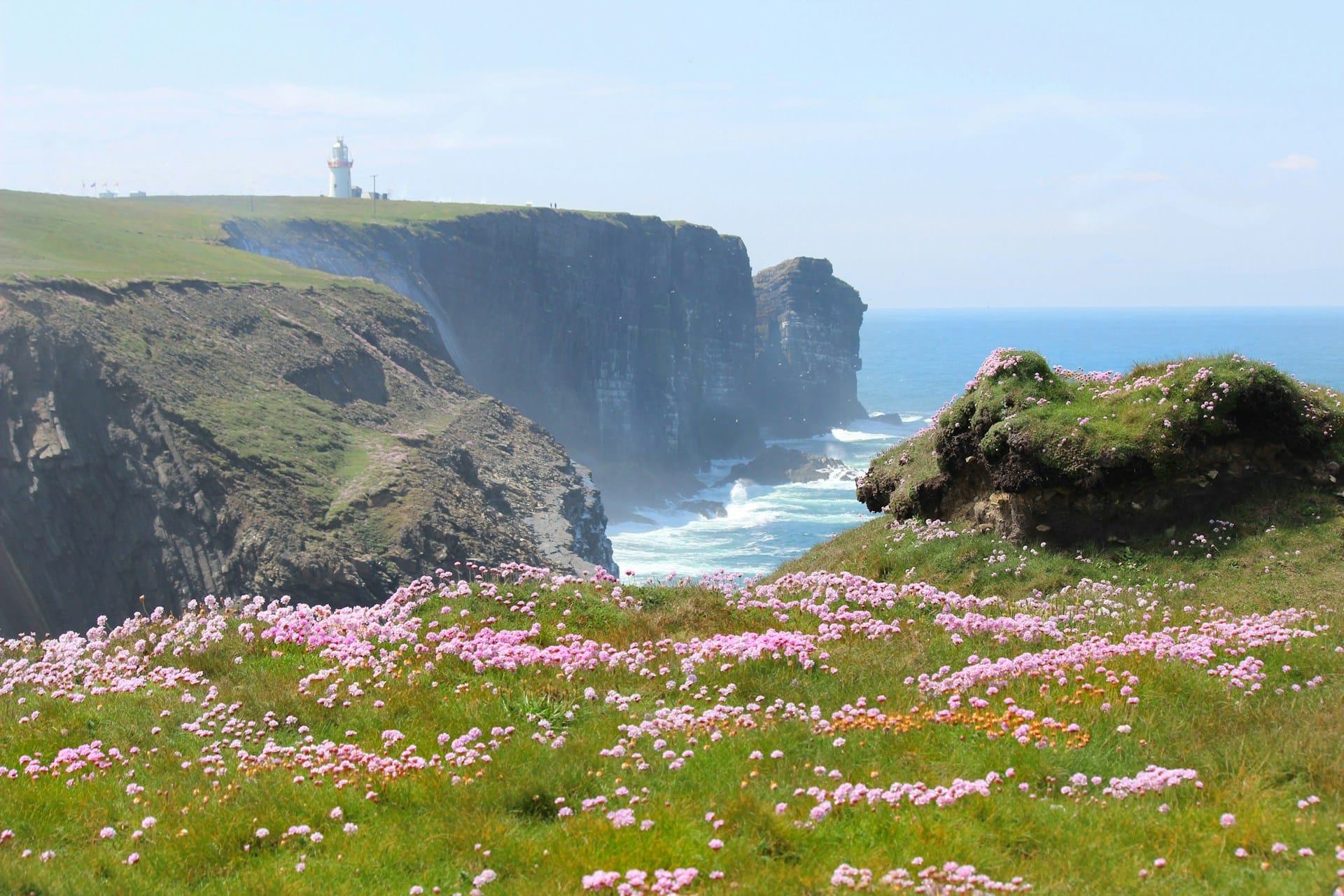
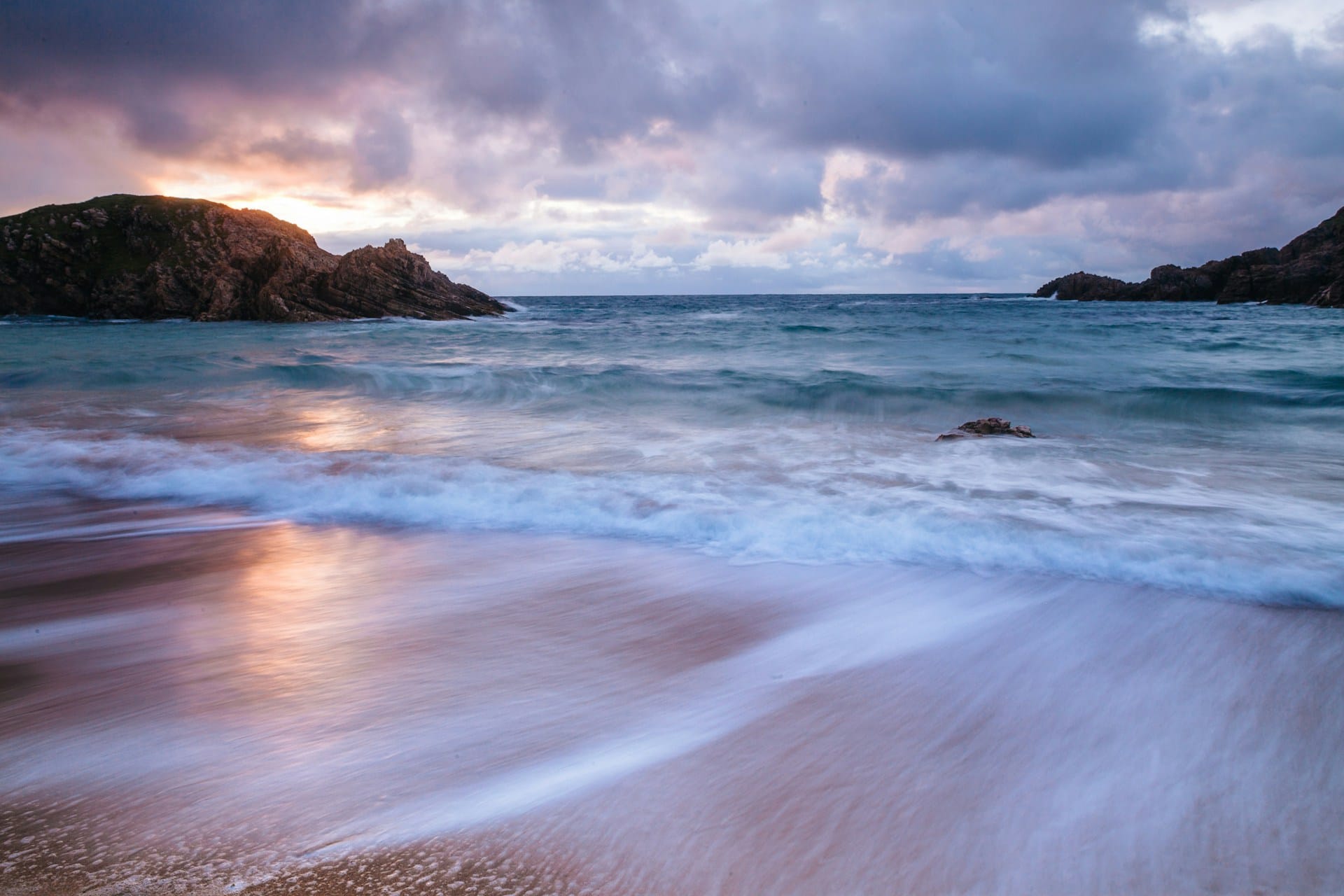
Popular cities to visit
- Dublin (Baile tha Cliath) – the capital and the country's largest city. With excellent pubs, fine architecture and good shopping, Dublin is a very popular tourist destination and is the fourth most visited European capital.
- (Corcaigh) – second largest city in the Republic of Ireland – located on the banks of the River Lee. Founded c.600 by St. Finbarre and known for good food, pubs, shopping and festivals.
- Galway (Gaillimh) – a city on the river Corrib on the west coast of Ireland. Famous for its festivals and its location on Galway Bay. Known as the City of Tribes, Galway's summer is filled with festivals of music, food, Gaelic language and culture. Galway hosts over fifty festivals a year, including the Galway Oyster Festival. The locals seem to give off a positive Bohemian vibe. Galway is split between two types of beautiful landscape: the gorgeous mountains to the west, and the east's farming valleys.
- Killarney – Possibly (at least until recently) the most popular tourist destination in Ireland. A pleasant town in its own right, it is also the start of most Ring of Kerry trips.
- Kilkenny (Cill Chainnigh) – attractive medieval town, known as the Marble City – home to the Cat Laughs Comedy Festival, held annually in early June.
- Letterkenny – Main town in County Donegal, designated gateway status and reputed to be the fastest growing town in Europe. Good base for travelling in Donegal.
- Limerick (Luimneach) – a city on the river Shannon in the south–west of the country.
- Sligo (Sligeach)– Home to W.B. Yeats, internationally renowned poet. Mountains and beaches, scenery in general are the best points of Sligo.
- Waterford (Port Lirge) – Ireland's oldest city. In the south–east and close to the ferry port at Rosslare. Waterford is a popular visit for those who want to learn more about the most ancient history of Ireland. It is quite possibly one of the best cities in the country as it is not too large and is full of history. Many festivals take place throughout the year including ((Spraoi)). The food is good and the Granary Museum is the best for ancient Irish history in the country. Don't forget to try a blaa before you leave. (A floury bread bun peculiar to this area of Ireland).
Things to see and do
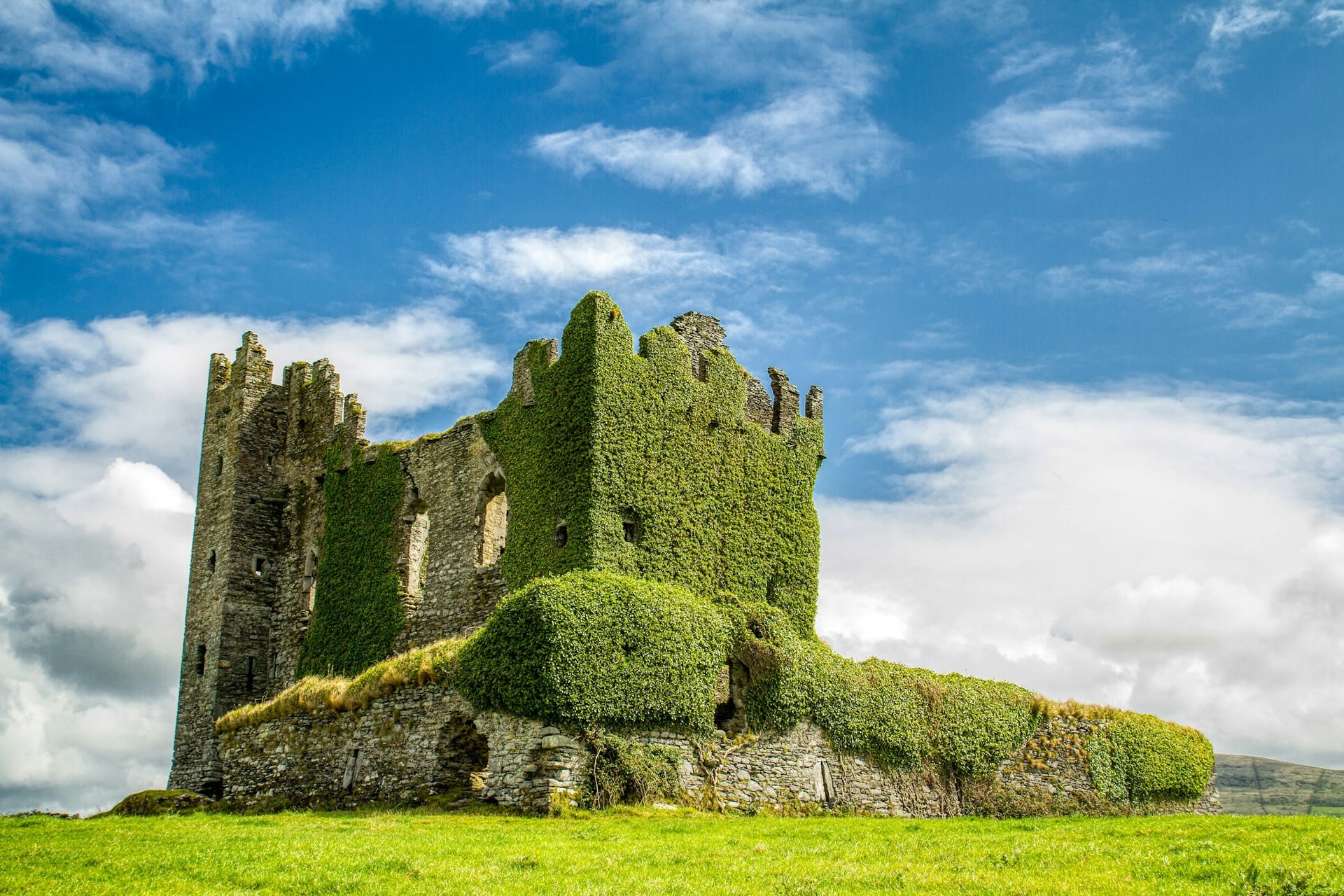
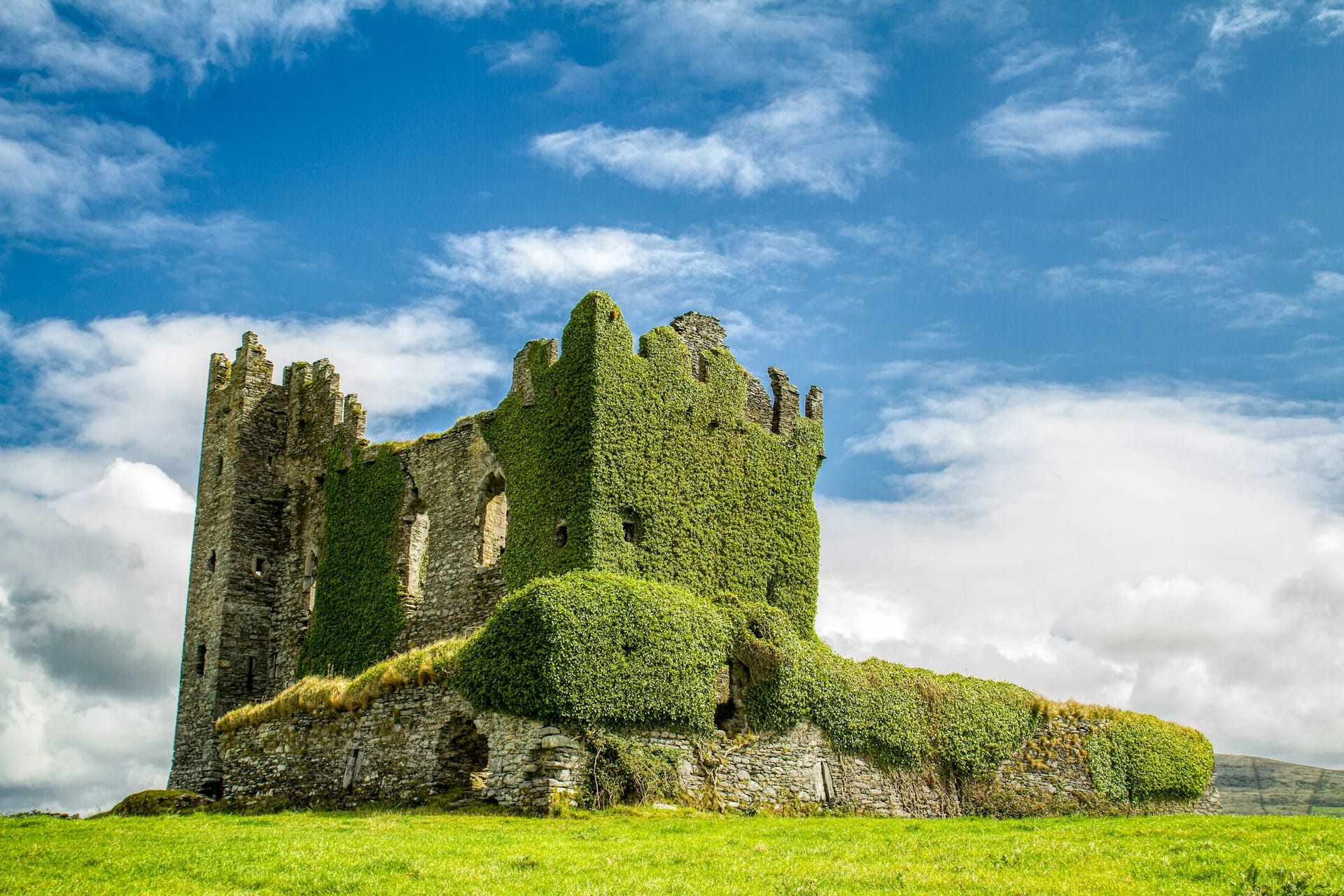
OPW Heritage Card – Any visitor can purchase one of these cards for admission to any of the Heritage Sites in Ireland which is funded by the Office of Public Works. This card can be used to see many historic castles throughout Ireland.
Blarney Castle– Located in County Cork , this historic castle is known for its "Blarney Stone." Tradition is that if the Blarney Stone is kissed, one will be blessed with great eloquence, better known as the "gift of the gab." One kisses the stone by laying back and being held by an employee of the castle. Photographers are there to capture the moment!
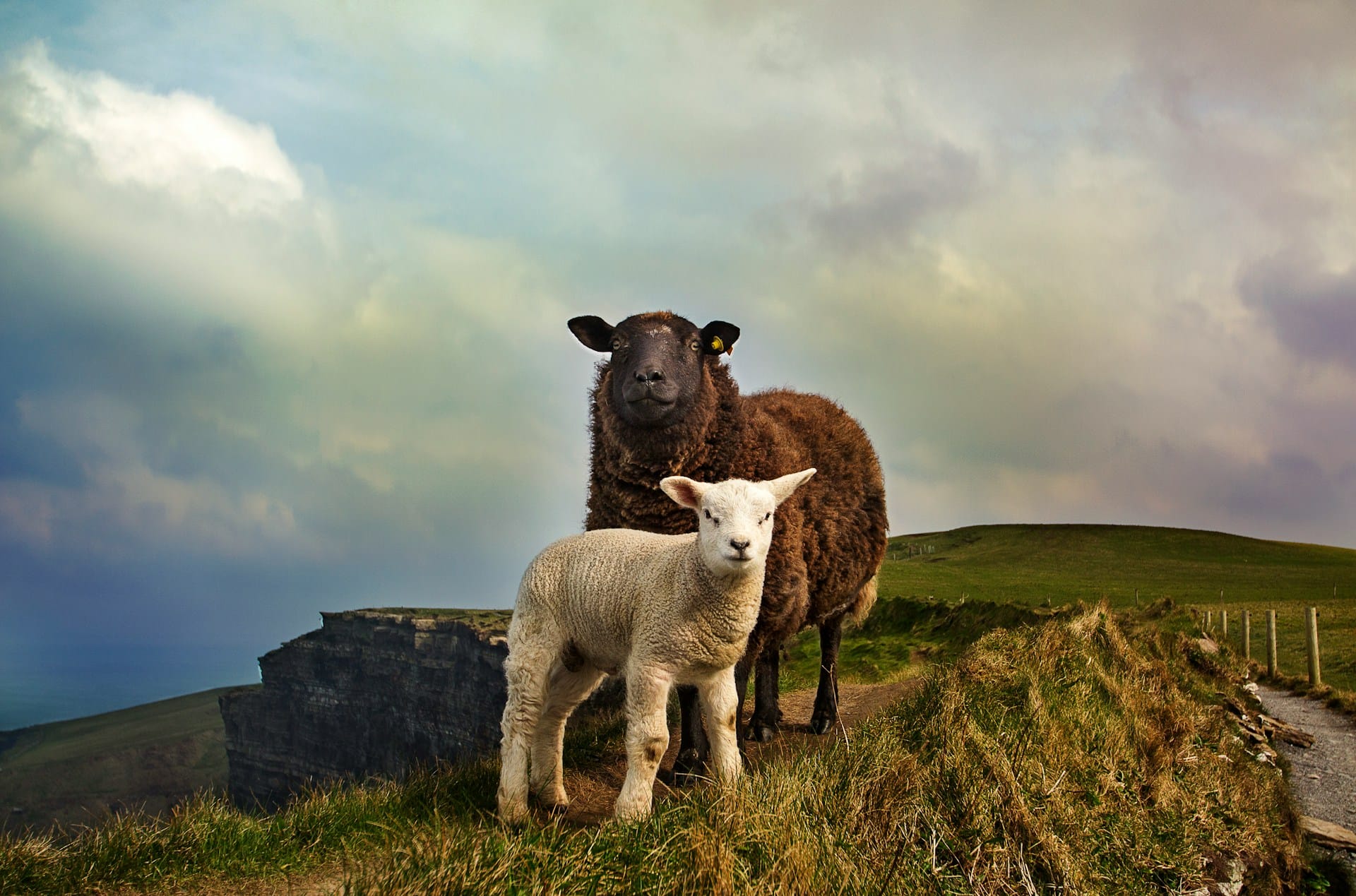
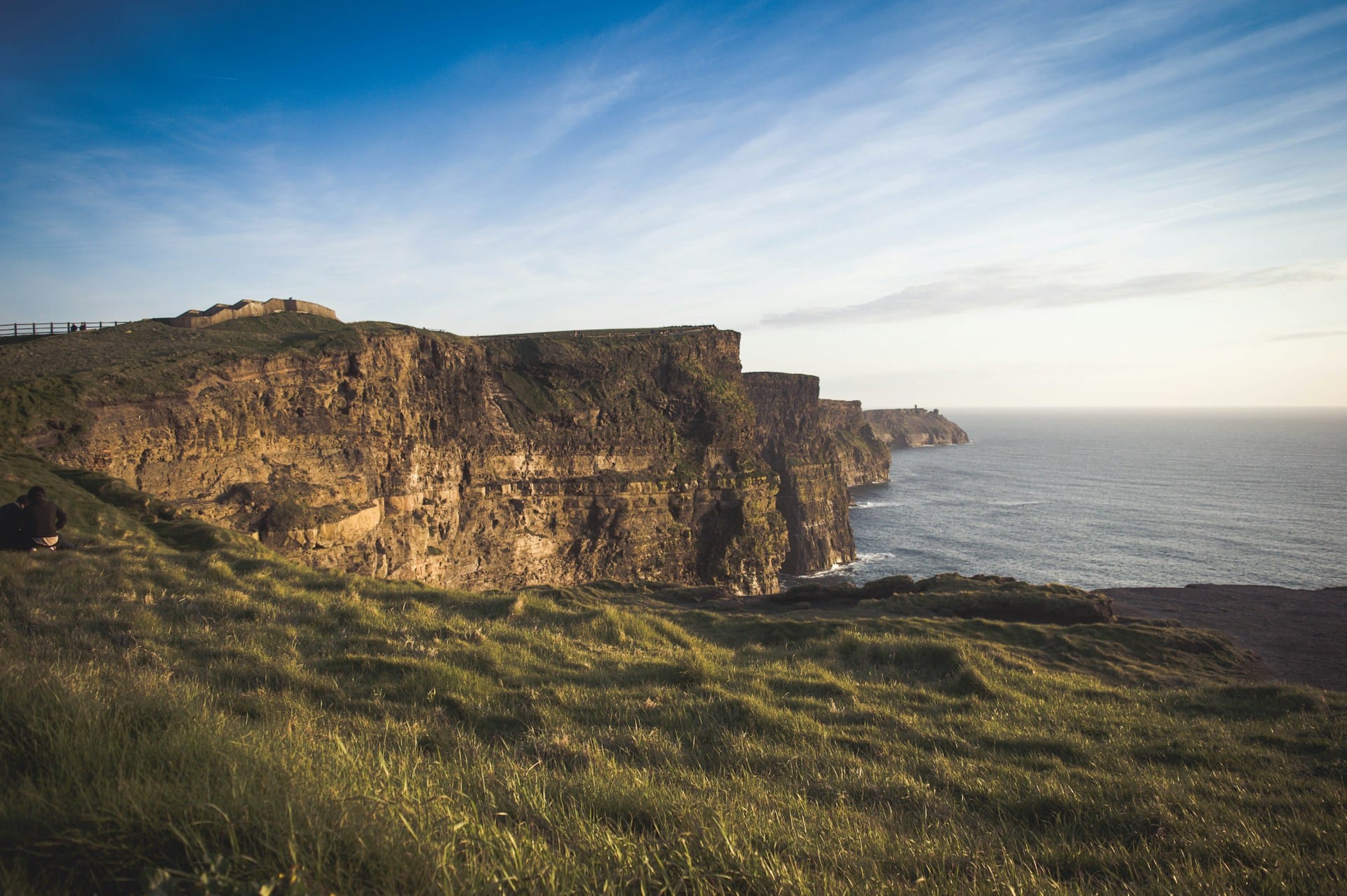
Cliffs of Moher located in County Clare – One of Ireland's Biggest and Most Visited Tourist Attraction. The Cliffs are 230 meters in height and tower over the Atlantic Ocean. There is a souvenir shop. Safety is at visitor's discretion, there are no safety barriers, because it would ruin the natural tourist attraction. The Cliffs are an absolute site to see.
Kilkenny, one of Ireland's favourite tourist spots, the Medieval Capital just 1 hour 40 minutes train out of Dublin City is a must see. Its beautiful buildings and of course imposing Norman Castle – not to mention the numerous festivals including the Arts Festival and Rhythm and Roots Festival – make Kilkenny a most desirable location.
Cuisine
Irish cuisine can often be described as hearty: virtually all traditional meals involve meat (especially lamb and pork), potatoes, and cabbage. Long cooking times are the norm and spices are limited to salt and pepper. Classic Irish dishes include:
- Boxty, potato pancakes
- Champ, mashed potatoes with spring onions
- Coddle, a stew of potatoes, pork sausages and bacon; a speciality of Dublin
- Colcannon, mashed potatoes and cabbage
- Irish breakfast, a famously filling spread of bacon, eggs, sausages and white and/or black pudding, a type of pork sausage made with blood (black) or without (white). Irish Breakfast is often just referred to as a "fry", and is usually available well past normal breakfast times in restaurants.
- Mixed Grill. Similar to the Irish Breakfast, but with added lamb chop, chips, and peas.
- Irish stew, a stew of potatoes and lamb (not beef!), with carrots, celery and onions in a watery broth full of flavour
- Bacon and Cabbage, popular and traditional meal in rural Ireland, found on many menus
- Seafood Pie, a traditional dish of chunky fish pieces topped with mashed potato and melted cheese